
Why Beautiful Garden Landscaping Transforms Your Outdoor Living Experience
Beautiful garden landscaping transforms an underused backyard into a stunning extension of your home. Whether creating a space for family gatherings or boosting curb appeal, the right approach combines thoughtful design with practical functionality.
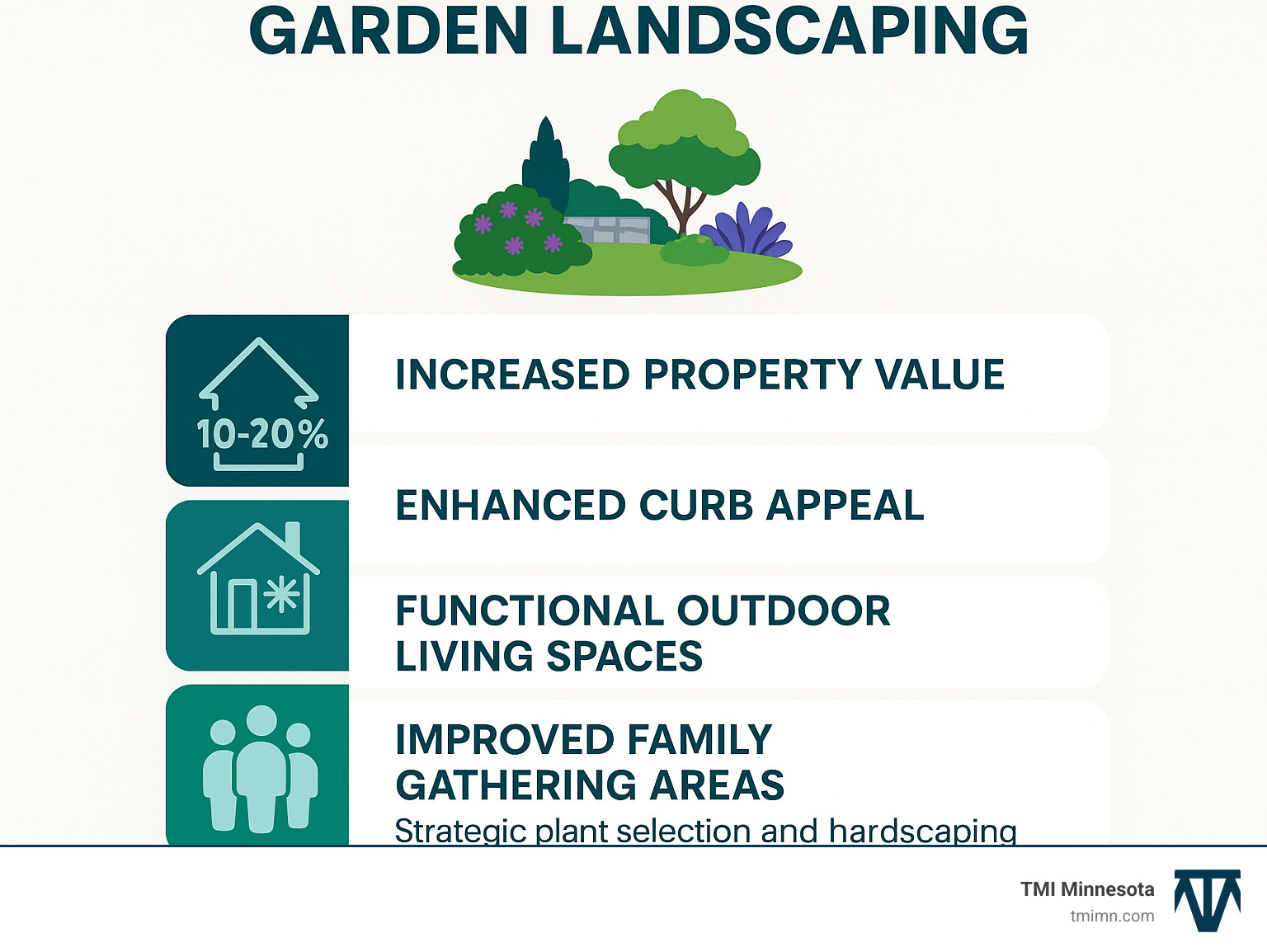
Key Elements of Beautiful Garden Landscaping:
- Design Principles: Balance, harmony, scale, and focal points create visual appeal
- Plant Selection: Strategic layering with trees, shrubs, perennials, and groundcovers
- Hardscaping: Patios, walkways, and structures that define functional zones
- Maintenance Level: Choosing plants and features that match your lifestyle
- Property Value: Well-executed landscaping can increase home value by 10-20%
The process starts with understanding your space, climate, and needs. As landscape expert Angel Collins notes, “Good design is about mastering various dimensions: space, scale, texture, harmony, colour, structure, light, dark, charm, strength, sense of place, romance, and history.”
Planning is crucial to avoid costly mistakes and create a cohesive design that improves both beauty and function. The best landscapes blend hardscaping elements like patios with carefully selected plants that provide year-round interest.
I’m Christopher Deanovic, Operations Leader at TMI Minnesota. For years, I’ve helped Minnesota homeowners transform their outdoor spaces with thoughtful beautiful garden landscaping. My approach combines innovative design with practical functionality to create landscapes that improve lifestyles and exceed expectations.
Basic Beautiful garden landscaping glossary:
Planning Your Dream Garden: First Steps to Success
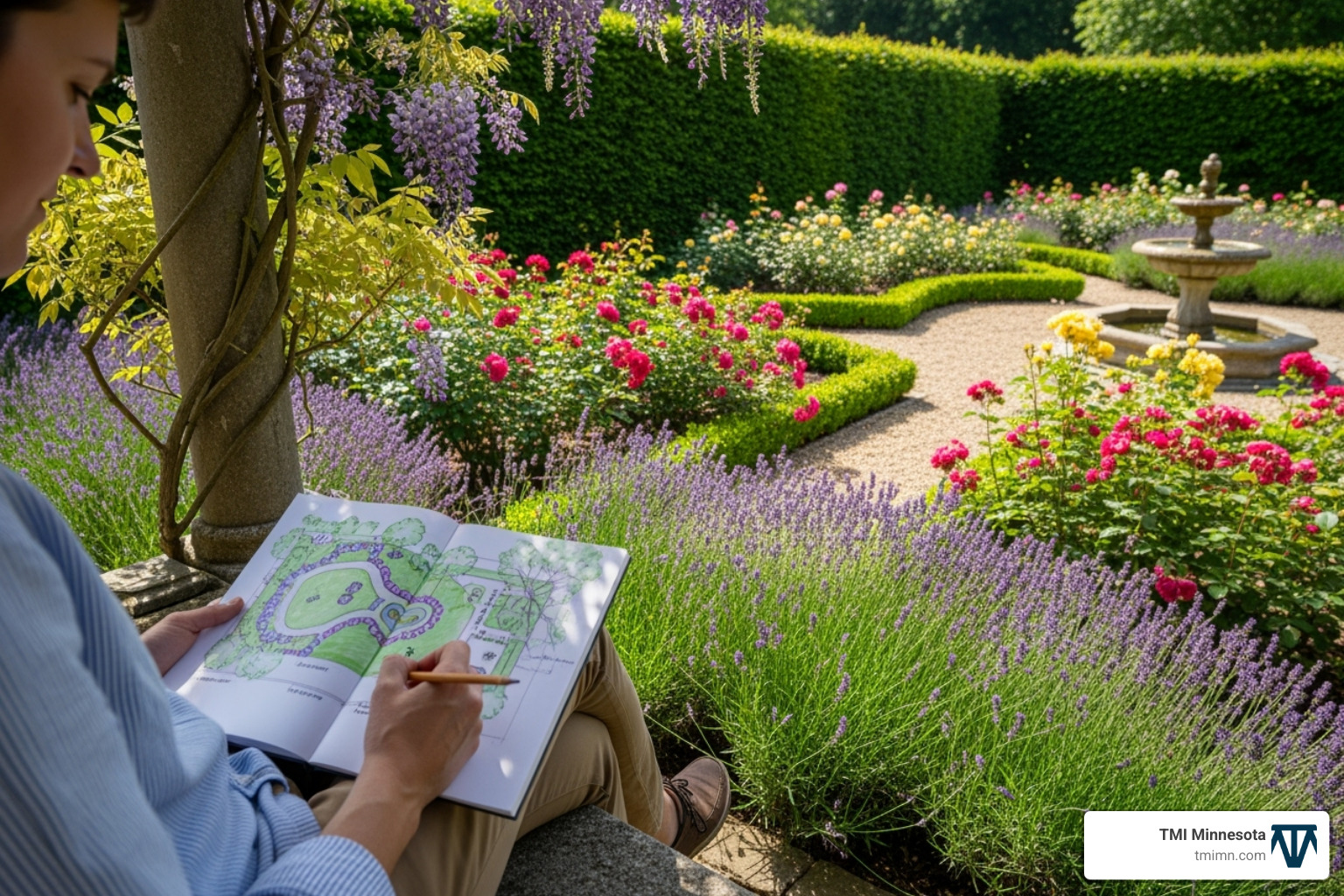
Starting a beautiful garden landscaping project requires a solid plan to ensure your new garden looks amazing and lasts for years. The first step is to define your wishlist. Do you envision a quiet reading spot, a play zone for kids, a large patio for parties, or a vegetable garden? Considering your family needs helps us design the perfect space for you.
Next, we conduct a site survey to assess your yard’s existing features and potential. A key part of this is a sunlight analysis to determine which plants will thrive. We also perform a soil consideration to ensure it has the proper drainage and nutrients for healthy growth.
Discussing your budgeting is essential to find the best solutions, and we’ll also talk about your desired maintenance level. If you prefer low-maintenance, we can select easy-care plants and add more hardscaping. Our goal is to create a beautiful yard you love, not one that creates extra work.
Learn more about how we bring your vision to life: More info about our design process.
Assessing Your Space and Goals
To create beautiful garden landscaping, we must understand your yard’s unique characteristics. Here in the Twin Cities, climate considerations are key to selecting plants that will thrive. We also consider the different functions of your front yard vs. backyard.
A smart plan creates distinct zones or outdoor “rooms.” Even sloped terrain challenges can become interesting features, like terraces or unique planting areas. We also consider the long-term vision for your garden and how it will affect your home’s resale value. Good landscaping is a smart investment that can significantly increase your home’s worth. See some amazing changes in our gallery: View our Landscape Gallery for ideas.
Why a Plan is Crucial for Beautiful Garden Landscaping
The secret to a magazine-perfect garden is a great plan. A plan is vital for beautiful garden landscaping because it helps avoid common mistakes like a messy layout or plants that don’t grow well, saving you from wasted time and money.
A solid plan ensures all elements work together, creating a cohesive design that feels calm and beautiful. This smart approach also helps by saving time and money, as we get things right the first time. A plan also allows for phased implementation, so we can build your dream garden in stages that fit your budget and schedule. While it’s tempting to start planting immediately, professional guidance ensures every detail is right, helping your garden evolve beautifully over time.
Core Principles for Beautiful Garden Landscaping
With a clear plan, we use design principles to ensure your beautiful garden landscaping is a harmonious and stunning space. These principles are the secret ingredients that make a garden truly sing. We focus on balance, harmony, scale, proportion, creating focal points, achieving unity, and embracing simplicity.
These elements work together to create a cohesive feel. Balance provides a sense of calm, whether symmetrical or informal. Harmony ensures everything fits together. Scale and proportion relate to the size of elements relative to each other and your yard. A focal point, like a statue or vibrant flower bed, draws the eye. Unity ties the whole design together, and simplicity often allows key features to shine without clutter.
Repeating certain plants or design ideas creates a pleasing rhythm that can make your space feel larger and more professionally designed. You can see how we use repetition in our projects: A garden design showing repetition.
Achieving Balance with Symmetry and Flow
Achieving the right balance is crucial for beautiful garden landscaping. This can be done in two main ways: formal or informal.
Formal gardens emphasize order and precision, often using symmetrical design and crisp, geometric shapes. Imagine a garden mirrored on both sides of a path with neatly clipped hedges. This style feels grand and timeless, creating calm elegance through repetition.
Informal gardens are more relaxed and natural. Balance is achieved by arranging elements in a pleasing, organic way. We use natural flow and curved lines like winding paths and rambling plants. This style feels more connected to nature and invites exploration.
Regardless of style, the goal is a visually stable and pleasing garden. For strong, lasting structures that help create this balance, see our hardscaping options: View our Hardscape Gallery for structural ideas.
Using Repetition, Texture, and Color
Repetition, texture, and color are your garden’s personal style guide, helping create captivating outdoor spaces.
Repetition is an easy way to create a polished look. By using the same plant, color, or shape in different spots, we create a visual rhythm that guides the eye and makes the space feel connected and intentional.
Texture adds depth and interest. We love to mix and match, contrasting soft, feathery grasses with rough stones, or spiky plants with smooth ones. This interplay between soft textures vs. hard textures keeps the garden from looking flat.
Color sets the mood. Warm color palettes (reds, oranges, yellows) bring energy and make spaces feel cozy. Cool color palettes (blues, purples, greens) can make a small garden feel larger and more peaceful. We use plenty of green as a calming backdrop that makes other colors pop, combining different shapes and textures for year-round beauty.
Bringing Your Garden to Life: Plant Selection & Layering
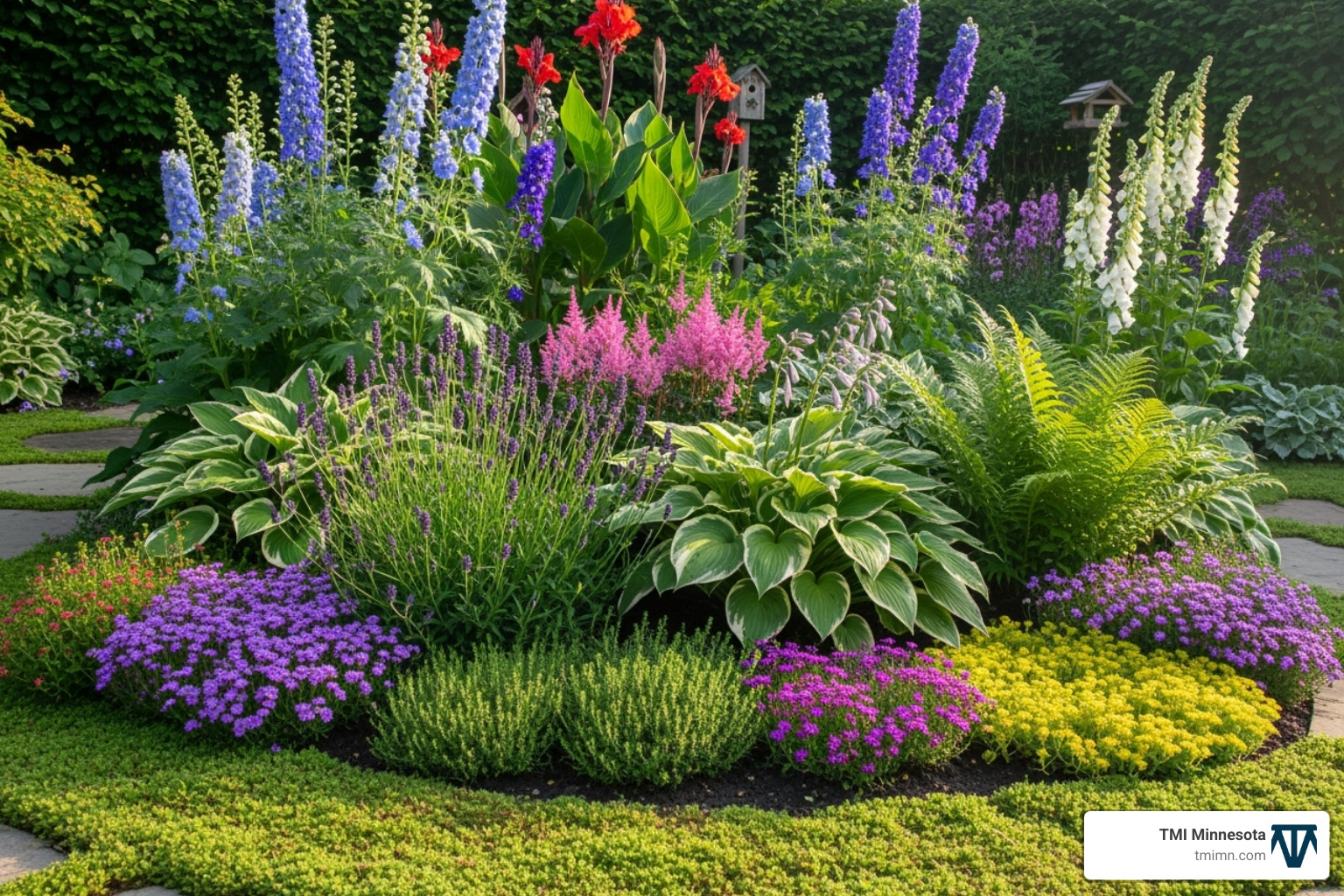
With a solid plan and design principles in place, it’s time to bring your garden to life. Strategic plant selection and the art of layering will transform your space into beautiful garden landscaping. We pick the right plants for your specific conditions and arrange them to create depth, interest, and beauty that lasts all year.
Mastering the Art of Landscape Layering
The secret to a lush, full garden is landscape layering. It involves arranging plants in tiers from tallest to shortest to build depth and visual appeal. We think of it as a “garden pyramid.”
First is the Background Layer, the tallest elements like trees and large shrubs. They act as the “bones” of the garden, providing height, privacy, and a green backdrop. A screen of evergreens, for example, offers year-round structure. You can see examples in our gallery: A screen of conifers.
Next is the Middle Layer, featuring medium-sized perennials, ornamental grasses, and shrubs. This layer provides most of the garden’s color, texture, and seasonal interest. We weave these plants in front of the background for a lush, natural transition.
Finally, the Foreground Layer consists of the lowest plants, like groundcovers and short perennials. They define the edges of garden beds, often spilling over pathways for a welcoming, finished look.
To achieve this layered effect, garden beds must be deep enough—we recommend at least 5 to 6 feet from your home’s foundation, or even 10 to 12 feet for larger spaces. This depth allows plants to be woven together for a seamless, abundant feel where plants touch, creating a rich and inviting scene.
Choosing the Right Plants for a Thriving Garden
Picking the right plants is key to a thriving and beautiful garden landscaping. We consider sun exposure, maintenance preferences, and your desire for year-round beauty.
For sunny areas, we choose resilient and vibrant full sun plants. For hot or dry spots, drought-tolerant options like salvias, irises, and sedum are excellent choices. For shady corners, we select shade plants like ferns, hostas, and foxgloves.
We also consider the mix of perennials vs. annuals. Perennials return each year, providing reliable structure, while annuals offer a burst of season-long color. For Minnesota’s long winters, evergreen structure is a game-changer, providing a constant green backdrop. We also love incorporating native species, which are adapted to our climate, require less maintenance, and support local wildlife.
Container gardening is a versatile option for any space. We suggest grouping containers or using one large, fabulous container for continuous interest. It’s perfect for patios, balconies, or entryways.
For personalized guidance on plant selection and installation, our softscape services can help. Find more details here: More info on our softscape services.
Beyond the Blooms: Hardscaping & Functional Features
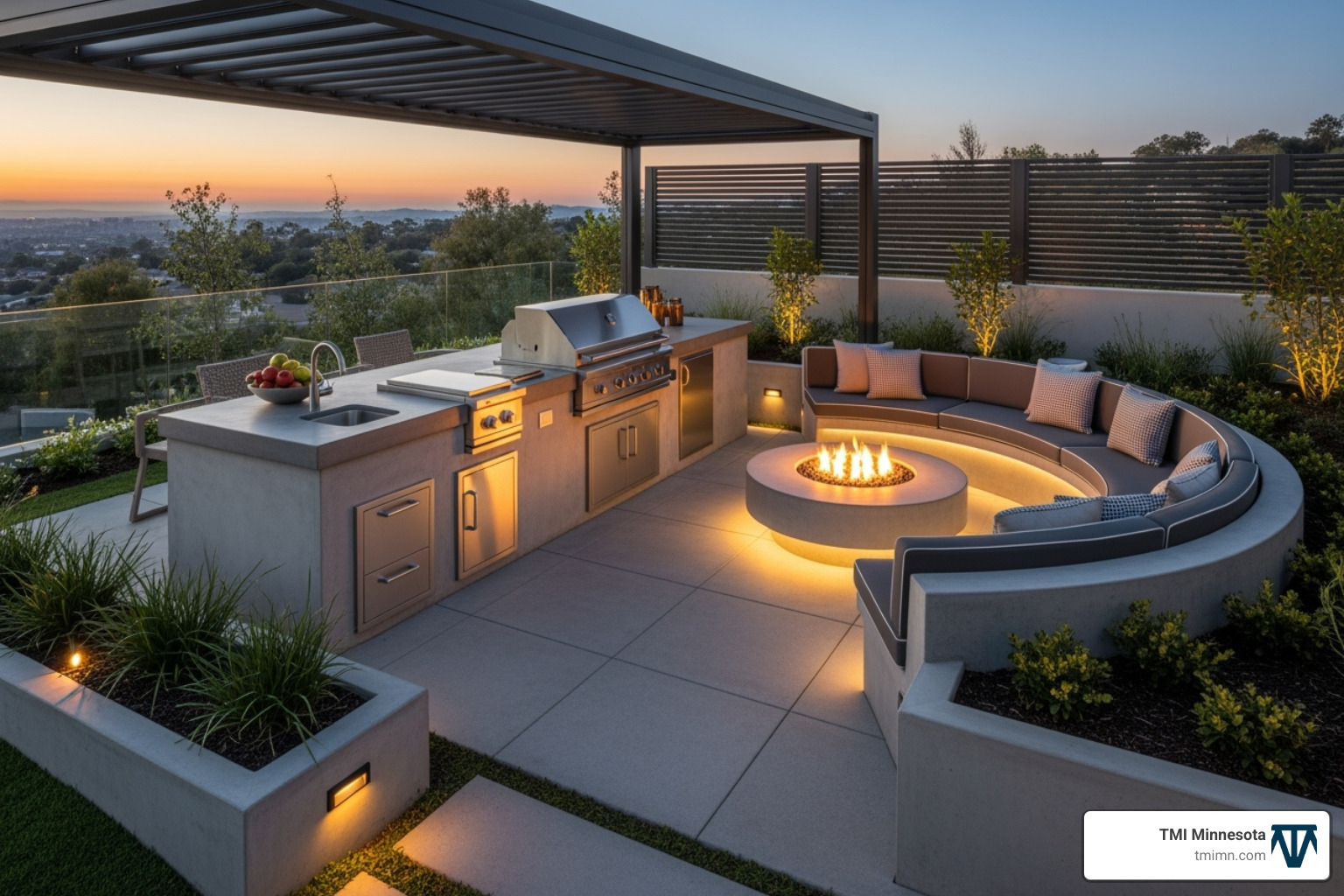
While plants bring a garden to life, the non-living elements, or hardscaping, are the heroes of beautiful garden landscaping. These features provide structure, define outdoor rooms, and make your yard a usable extension of your home—the walls, floors, and furniture of your outdoor living space.
Hardscaping is about functionality. It lays the foundation for family gatherings, relaxation, or a simple path to your door. At TMI Minnesota, we use leading-edge products to ensure your patio, walkway, or stone wall is both gorgeous and built to last, lifting your yard living experience.
Creating Functional Zones with Hardscapes
Hardscapes are perfect for creating special zones in your garden, giving each area a clear purpose.
- Patios and decks are the heart of your outdoor rooms, ideal for dining or lounging. We craft them from natural stone, pavers, or composite decking.
- Walkways guide you through your garden, connecting different areas. We can create paths from stone or rustic gravel. Gravel paths are a simple, low-maintenance option.
- Stone walls add character and function, serving as retaining walls on slopes or as decorative features. Low seat walls can even offer impromptu seating.
- Pavers are incredibly versatile. We use them to create patterns, define bed edges, or craft stunning driveways. Laying rectangular pavers horizontally can even make a small space feel wider.
Hardscaping allows us to design outdoor areas that are visually stunning and highly useful. For inspiration, explore our gallery: Outdoor kitchen inspiration.
Adding Structures for Style and Purpose
Various structures add another layer of style and purpose to your beautiful garden landscaping, creating vertical interest and enhancing your outdoor experience.
- Pergolas and arbors offer shade, define outdoor rooms, and support climbing plants. An arch height of 2.4 meters with a 2-meter width is ideal for comfort and appeal.
- Fences and decorative gates provide privacy and security while acting as artistic statements that match your home’s architecture.
- A simple water feature, like a shallow, brick-edged pool, adds a calming effect, muffles noise, and attracts birds.
- Fire pits and outdoor kitchens extend your outdoor enjoyment into the evening. Gather around a warm fire or cook in a fully equipped outdoor kitchen.
- For ultimate ease, we offer low-maintenance solutions like ForeverTurf for low-maintenance lawns, freeing up your time to simply relax and enjoy your garden.
By combining these structures with hardscapes, we create an outdoor environment that truly lifts your yard living experience. Learn more about our structural solutions: More info about Struxure Outdoor Structures.
Popular Garden Styles to Inspire You
Exploring different garden styles can spark your imagination and help you define your vision for beautiful garden landscaping. Each style has a unique charm that can be adapted to your home and personal taste.
Cottage Gardens: These feature an informal abundance of colorful flowers, herbs, and climbing roses. Winding paths and quaint fences create a charming, natural, and inviting look.
Modern Gardens: With sleek, clean lines and a minimalist feel, this style uses simple geometric shapes and materials like concrete and steel. Plants are chosen for their architectural form, creating a calm, sophisticated outdoor room.
Zen Gardens: Also known as Japanese Gardens, these spaces are designed for tranquility. They feature raked gravel, carefully placed rocks, pruned plants, and stone lanterns to create a sense of balance and harmony.
Mediterranean Gardens: Inspired by the sunny Mediterranean, these gardens are drought-tolerant. They often include olive trees, cypress trees, and fragrant herbs like lavender and rosemary, with terracotta pots and warm, earthy colors.
Meadow Gardens: Embracing a wilder aesthetic, these gardens feature a mix of native wildflowers and grasses instead of traditional lawns. They are low-maintenance, support local wildlife, and offer changing seasonal color.
Rock Gardens: Perfect for sloped or challenging terrain, these gardens combine rocks and boulders with alpine plants and succulents. They turn tricky spots into rugged, naturalistic features.
No matter your inspiration, TMI Minnesota can help blend these styles to create a beautiful garden landscaping design that is perfectly you.
Frequently Asked Questions about Garden Landscaping
We’ve helped Minnesota homeowners create stunning outdoor spaces for years. Here are answers to the most common questions we hear about beautiful garden landscaping.
How can I make my garden beautiful but low-maintenance?
A gorgeous garden doesn’t have to be high-maintenance. We use several strategies to create a stunning landscape that you can enjoy without constant work.
- Native and drought-tolerant plants are ideal. They are adapted to our Twin Cities climate and require less water and care once established.
- Choose perennials over annuals for long-term beauty without yearly replanting.
- Mulch is essential. A 3-4 inch layer suppresses weeds, retains moisture, and regulates soil temperature.
- Reduce lawn space with hardscaping like patios or gravel paths to cut down on mowing, watering, and fertilizing.
- An irrigation system saves time and ensures your plants get consistent water without the hassle of dragging hoses.
Does beautiful garden landscaping increase home value?
Yes, beautiful garden landscaping is one of the smartest home improvements. Professional landscaping can increase your home’s value by 10-20%. It’s not just about curb appeal; well-designed outdoor spaces create functional living areas that modern buyers actively seek.
When you add an outdoor kitchen, a fire pit area, or a garden retreat, you expand your home’s usable square footage. Buyers view these as extensions of the indoor living area and are willing to pay for that added functionality. This investment pays dividends in both daily enjoyment and eventual resale value.
What’s the best way to landscape on a slope?
Sloped terrain presents an incredible opportunity for dramatic, unique design.
- Terracing with retaining walls is a popular solution. We create level “steps” or zones, changing a difficult slope into multiple usable areas for planting beds or patios.
- Strategic plant selection is crucial. We choose deep-rooted groundcovers and shrubs to stabilize soil and control erosion. Native species are often excellent for this.
- Safe access is key. Well-designed steps or staircases made from stone or pavers ensure you can enjoy all levels of your garden safely.
- Working with the natural grade can be effective. We can create stunning terraced gardens that flow beautifully with the existing slope.
Professional design is vital for challenging terrain. A landscape designer can assess grades, manage drainage, and turn a “problem” slope into your property’s most stunning feature.
Conclusion
Creating beautiful garden landscaping is more than just planting; it’s a thoughtful blend of art and smart design. When done right, your yard becomes a joyful extension of your home, changing how you live by providing a perfect spot for relaxing or entertaining. It also significantly boosts your home’s value.
From careful planning and plant selection to layering and integrating hardscapes, every step contributes to the final result. Design principles like balance and repetition bring harmony, while creative solutions can turn challenges like slopes into stunning features.
Here at TMI Minnesota, we specialize in bringing these visions to life with both durable hardscapes and vibrant softscapes. We use the best, most innovative products to ensure your new outdoor space is stunning, durable, and truly “lifts your yard living” experience.
Your dream garden is waiting. Whether you’re in the Twin Cities or nearby, our team is ready to help you design, build, and enjoy the beautiful garden you’ve always wanted.
Contact our landscape design experts today to start your change!