
The Mark of a True Professional
A certified hardscape installer is a professional who has passed formal training and examinations to prove their knowledge of proper installation techniques for patios, walkways, and retaining walls. This credential sets them apart from a standard contractor.
Key qualifications include:
- Verified Expertise: Proven skills through industry-recognized organizations like CMHA or NALP.
- Experience Requirements: A minimum number of completed projects (e.g., 5+ projects and 10,000+ sq. ft. of work).
- Knowledge of Best Practices: Understanding of proper base preparation, drainage, and material specifications.
- Professional Code of Conduct: A commitment to ethical business practices.
- Ongoing Education: Staying current with new techniques and materials.
The difference between a standard contractor and a certified professional can mean a project that lasts for decades versus one needing costly repairs in a few years. The growing need for true landscape hardscape professionals drove the push for formal certification programs.
The industry has evolved from simple “brick laying” to a field involving complex engineering, soil mechanics, and stormwater management. Certification standardizes these advanced practices, helping homeowners identify qualified experts who understand the science behind outdoor construction.
Think of it like hiring a licensed electrician; you want proven expertise for a critical job. A certified installer has demonstrated their knowledge through rigorous testing. They understand the technical requirements for a durable hardscape in Minnesota, from proper base depth to preventing frost heave.
I’m Christopher Deanovic, Operations Leader at Task Masters, where we’ve built our reputation on combining innovative design with expert craftsmanship across Minnesota. I’ve seen how certified hardscape installer credentials lead to superior project outcomes and long-term client satisfaction.

Key terms for certified hardscape installer:
Why Your Project Deserves a Certified Hardscape Installer
In the Twin Cities, our goal is to create outdoor spaces that are both beautiful and built to last. This is where the expertise of a certified hardscape installer shines. Choosing a certified professional is an investment in peace of mind, quality, and longevity, helping you avoid the nightmare of a project that fails within a few years.
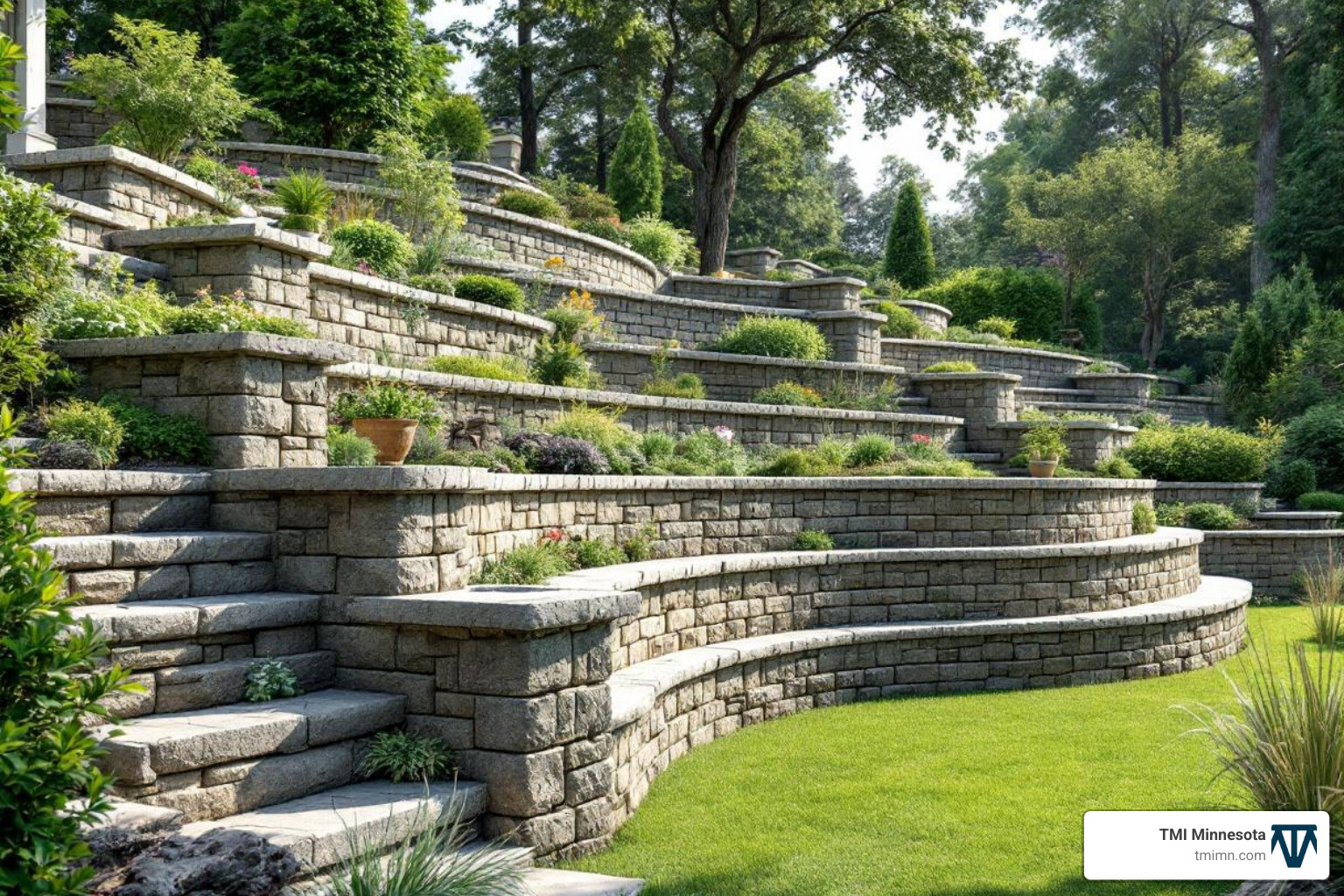
A certified installer ensures your project benefits from:
- Superior Quality: They follow strict industry standards, understanding materials and site conditions to deliver a finished product that exceeds expectations.
- Longevity and Durability: Certified professionals engineer hardscapes to withstand Minnesota’s freeze-thaw cycles, ensuring your investment stands the test of time. Proper installation of quality products like those from ROMEX can even come with flexible warranty options.
- Adherence to Codes: They are well-versed in local building codes and industry standards, ensuring your project is compliant and safe. This is critical for retaining walls, where designs over 3.5 feet should be reviewed by a licensed engineer.
- Effective Drainage: A certified installer designs proper hardscape installation for drainage and erosion control, protecting your property from water damage. They are also trained to implement permeable solutions for sustainable stormwater management.
- Reduced Callbacks: Their meticulous approach minimizes errors, saving you from expensive repairs and callbacks down the line.
- Proper Material Selection: They know how to select and apply the right materials for optimal performance and appearance in your patio paver installation.
What skills and knowledge does a certified hardscape installer possess?
A certified hardscape installer is a craftsperson with a deep understanding of outdoor construction. Their comprehensive skill set includes:
- Site Preparation: Proper excavation, grading, and site prep that accounts for soil type, drainage, and design.
- Base Material Knowledge: Understanding different aggregates and their compaction characteristics to create a robust, well-draining foundation.
- Precision Compaction: Using the correct equipment and techniques to prevent settling and ensure a durable surface.
- Paver Laying Patterns: Mastery of various patterns for aesthetics and structural integrity.
- Retaining Wall Engineering: Understanding the forces, base design, and drainage required to prevent wall failure.
- Advanced Drainage Solutions: Designing sub-surface drainage and integrating permeable systems to manage water flow.
- Safety Protocols: Adhering to strict safety standards for machinery, lifting, and tool use.
How certification impacts the quality and longevity of hardscape projects
Certification is the difference between a temporary fix and a lasting improvement. Certified installers ensure quality and longevity through:
- Adherence to Manufacturer Specifications: Following installation guidelines precisely is crucial for product performance and maintaining warranties.
- Correct Tool Usage: Proper training on hardscaping equipment ensures efficient and accurate work.
- Understanding of Soil Mechanics: Preparing bases that account for local Minnesota soil conditions and their reaction to moisture and freezing.
- Frost Heave Prevention: Building hardscapes with adequate base depth and drainage to mitigate the effects of frost heave, keeping your permeable paver driveways stable.
- Warranty Assurance: Many manufacturers offer extended warranties only when their products are installed by certified professionals, protecting your investment.
How can homeowners or clients verify the credentials of a certified hardscape installer?
Verifying credentials is a crucial step. Here’s how to ensure you’re hiring a truly certified hardscape installer:
- Ask for Proof of Certification: A reputable installer will proudly show you their certificates from organizations like the Concrete Masonry & Hardscapes Association (CMHA) or the National Association of Landscape Professionals (NALP).
- Check Online Directories: Many certification bodies, like CMHA, maintain online directories where you can search for certified professionals. Some product manufacturers also provide tools on their websites to find authorized installers.
- Contact Certification Bodies Directly: If in doubt, contact the certifying organization to confirm an individual’s status. For CMHA, you can email certification@masonryandhardscapes.org.
- Review Portfolios and References: A strong portfolio and positive client references provide further confidence in an installer’s capabilities and track record.
A Guide to Hardscape Certifications and Training
The hardscape world is constantly evolving, so staying at the forefront means continuous learning and certification. A certified hardscape installer has invested in their education to bring the most current and effective methods to every project, from basic paver installation to complex permeable systems.
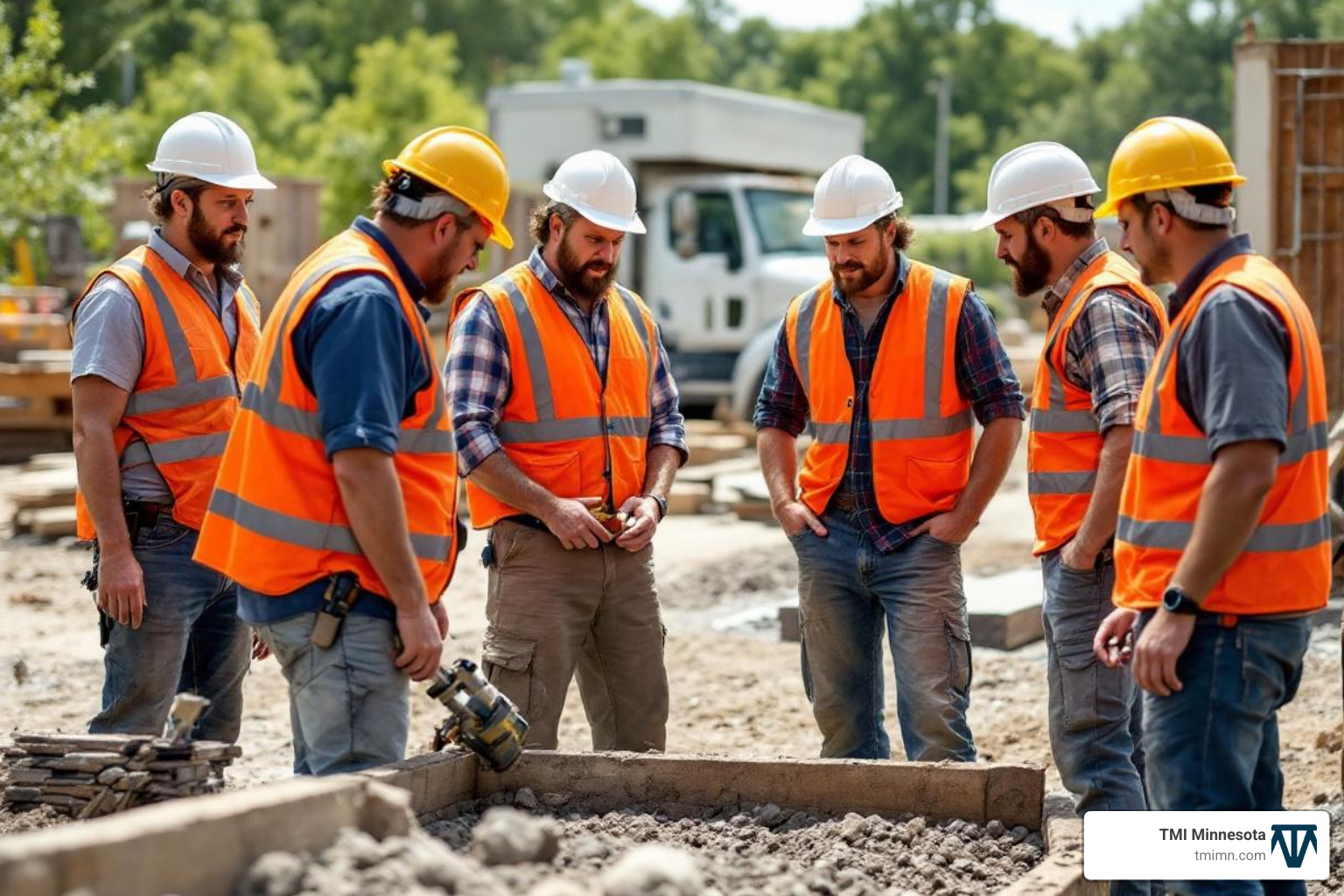
What are the different types of hardscape certifications available?
The industry offers various certifications that signify specialized expertise for a certified hardscape installer:
- Concrete Paver Installer Certification: Now offered through the Concrete Masonry & Hardscapes Association (CMHA), this credential replaces the former ICPI program and demonstrates expertise in installing interlocking concrete pavement systems.
- Segmental Retaining Wall (SRW) Installer Certificate: Also from CMHA, this focuses on best practices for designing and installing segmental retaining walls.
- Manufactured Stone Veneer (MSV) Installer Certificate: This CMHA certification covers the proper installation of manufactured stone veneer.
- Landscape Industry Certified Technician – Hardscape: Offered by the National Association of Landscape Professionals (NALP), this broad certification covers many aspects of exterior landscaping, with hardscape installation as a specialty.
- Manufacturer-Specific Credentials: Many leading manufacturers, like ROMEX, offer their own training on proprietary products. These programs ensure installers are up-to-date with the latest product innovations and techniques.
The role of key industry organizations
Organizations like the CMHA and NALP are the backbone of professional development. They are critical for maintaining high standards by:
- Setting Industry Standards: Defining the best practices and technical specifications for hardscape installation.
- Promoting Ethical Practices: Emphasizing a code of conduct that puts the customer’s best interests first.
- Providing Educational Resources: Developing training materials, courses, and proctored exams. You can learn more at the CMHA’s Education & Certification page.
- Facilitating Continuing Education: Requiring ongoing education for recertification to ensure installers remain current.
How training courses contribute to certification
Training courses provide the knowledge and skills needed to become a certified hardscape installer.
- Flexible Learning: Many organizations and manufacturers offer online learning portals with on-demand training videos and courses, allowing professionals to learn at their own pace.
- Hands-On Training: In-person workshops are often recommended to practice techniques under expert supervision.
- Comprehensive Curriculum: Courses cover everything from safety and tool usage to complex engineering and soil science.
- Continuing Education: Most programs require continuing education units (CEUs) to maintain certification, ensuring installers stay current with industry developments. For a deeper dive into techniques, you can explore guides on how to install hardscape: ultimate guide.
The Career Path of a Certified Hardscape Professional
Becoming a certified hardscape installer opens up a rewarding career path with significant growth opportunities. The demand for skilled installers in the Twin Cities is consistently high, driven by the popularity of outdoor living spaces. At TMI Minnesota, we know that investing in certification leads to better results for our clients and more fulfilling careers for our employees.
How does one become a certified installer?
The journey to becoming a certified hardscape installer is a structured process that includes:
- Gaining Experience: Most certifications require significant hands-on experience, such as a minimum of 5 projects and 10,000 sq. ft. of installation work. This experience helps in understanding the real-world hardscape installation cost of various projects.
- Obtaining Endorsements: Programs often require endorsements from employers or other certified professionals.
- Completing Training: Enrolling in and completing relevant online or in-person training courses is essential.
- Passing Certification Exams: Candidates must pass a formal, often proctored, exam covering topics from site prep to safety.
- Adhering to a Code of Conduct: Agreeing to uphold professional ethics and best practices is a prerequisite.
What are the career paths and advancement opportunities?
A certified hardscape installer has diverse career paths available:
- Skilled Installer: Proficient in complex installation techniques.
- Crew Leader/Foreman: Leading teams and managing job sites for landscape and hardscape projects.
- Project Manager: Overseeing multiple projects, budgets, and schedules for undertakings like custom backyard makeovers.
- Hardscape Designer: Using installation knowledge to create functional and beautiful designs.
- Business Owner: Starting their own hardscaping company.
What is the future outlook for certified hardscape professionals?
The future for a certified hardscape installer is bright, thanks to several key trends:
- Industry Growth: The demand for outdoor living spaces like patios and outdoor kitchens continues to soar.
- Demand for Quality: Homeowners are increasingly seeking professionals who can guarantee quality and durability, which certification signifies.
- Value of Expertise: In a competitive market, proven knowledge allows certified professionals to secure more desirable projects.
- Sustainable Landscaping: A growing emphasis on eco-friendly solutions like permeable pavers and other sustainable landscaping techniques puts certified installers in high demand.
- Technological Advancements: Certified professionals are better equipped to adopt and use new materials, software, and tools.
Frequently Asked Questions about Hardscape Certification
Here are answers to common questions about hardscape certification and what it means for your project.
What are the costs associated with obtaining hardscape certifications?
The cost to become certified is an investment in professional development. It varies by program but typically includes:
- Exam and Course Fees: Costs for taking the exam and any preparatory courses.
- Study Materials: Manuals, guides, and practice tests.
- Renewal Costs: Fees and continuing education are required to keep the certification active.
While these costs exist, they are often recouped through the ability to deliver higher quality work and secure more complex projects.
Is a certified installer more expensive than a non-certified one?
A certified hardscape installer may have a higher initial quote, but they provide greater long-term value. Choosing a certified professional is a smart investment that saves money and headaches down the road.
Consider this:
- Long-Term Value: A lower upfront price from an uncertified installer can lead to costly repairs if the project fails. A certified installation is like insurance for your hardscape installations.
- Fewer Repairs: Certified installers follow best practices, reducing errors and the need for callbacks.
- Quality and Durability: They use the right materials and techniques for the Minnesota climate, ensuring your project lasts.
- Warranty Protection: Many manufacturers only offer product warranties when installed by certified professionals.
The overall cost of ownership is often lower with a certified pro due to superior longevity and reduced maintenance.
How long does certification last?
Hardscape certifications are not permanent. They are typically valid for a specific period (e.g., two to three years) and require renewal. This process ensures a certified hardscape installer stays current with evolving industry standards, new materials, and advanced techniques. Renewal usually involves paying a fee and completing continuing education units (CEUs), demonstrating an ongoing commitment to professional competence.
Conclusion: Build Your Vision on a Foundation of Excellence
In the vibrant landscapes of the Twin Cities, where outdoor living is cherished, the choice of your hardscape installer is paramount. We’ve explored what it truly means to be a certified hardscape installer—a professional who has not only mastered the craft but has also committed to rigorous training, ethical practice, and continuous learning.
For us at TMI Minnesota, this commitment to certification is at the heart of our mission. We believe that every outdoor space we create, from a cozy patio to an elaborate outdoor kitchen, should be a testament to quality, durability, and thoughtful design. By choosing a certified professional, you’re not just getting a beautiful hardscape; you’re gaining:
- Best Expertise: From intricate paver patterns to robust retaining walls, certified installers possess the knowledge to execute your vision flawlessly.
- Long-Term Durability: Your investment is protected against the elements, especially our unique Minnesota climate, ensuring your hardscape stands strong for years to come.
- Peace of Mind: You can rest easy knowing your project adheres to the highest industry standards, minimizing the risk of costly repairs down the line.
- Innovation and Sustainability: Certified professionals are often at the forefront of adopting new, sustainable practices and products, contributing to both the beauty of your home and the health of our environment.
Certification is more than a piece of paper; it’s an investment—an investment by the installer in their craft, and an investment by you in the lasting beauty and functionality of your home. We are dedicated to changing outdoor spaces with unique designs and using leading-edge products to lift yard living. When you’re ready to build your outdoor vision on a foundation of excellence, we invite you to explore our work.
View our Hardscape Gallery and find the difference that a certified hardscape installer can make.