
The Enduring Appeal of Block Paving
Finding reliable block paving contractors starts with understanding what makes this surface option so popular among homeowners. Here’s what you need to know:
Top 5 Qualities of Professional Block Paving Contractors:
- Licensed and Insured – Proper credentials and comprehensive coverage
- Portfolio of Past Work – Examples of completed driveways and patios
- Written Guarantees – 5-10 year warranties on installation work
- Detailed Quotes – Itemized costs for materials, labor, and timeline
- Local References – Verifiable customer testimonials and reviews
Block paving remains one of the most popular choices for driveways and patios, and for good reason. When professionally installed, it creates a stunning, durable surface that improves your home’s curb appeal while lasting for decades.
What makes block paving so appealing? The versatility is best. You can choose from countless colors, patterns, and textures to match your home’s style. Plus, individual blocks can be replaced if damaged, making repairs simple and cost-effective.
The investment pays off too. A well-designed block paved driveway doesn’t just improve your daily experience – it can positively affect your property’s value.
As Christopher Deanovic, Operations Leader at Task Masters Minnesota, I’ve helped countless homeowners transform their outdoor spaces through expert hardscape installations. My experience working with block paving contractors throughout Minnesota has shown me the importance of choosing the right professional for your project.
Why Choose Block Paving? A Look at Materials, Designs, and Advantages

Block paving is more than just a surface; it’s an investment in your home’s longevity and aesthetic appeal. When considering options for your driveway or patio, understanding the unique benefits of block paving compared to other materials can make all the difference.
The Clear Advantages Over Other Surfaces
At TMI Minnesota, we often recommend block paving for its compelling durability, aesthetic flexibility, and practical advantages that other materials can’t match.
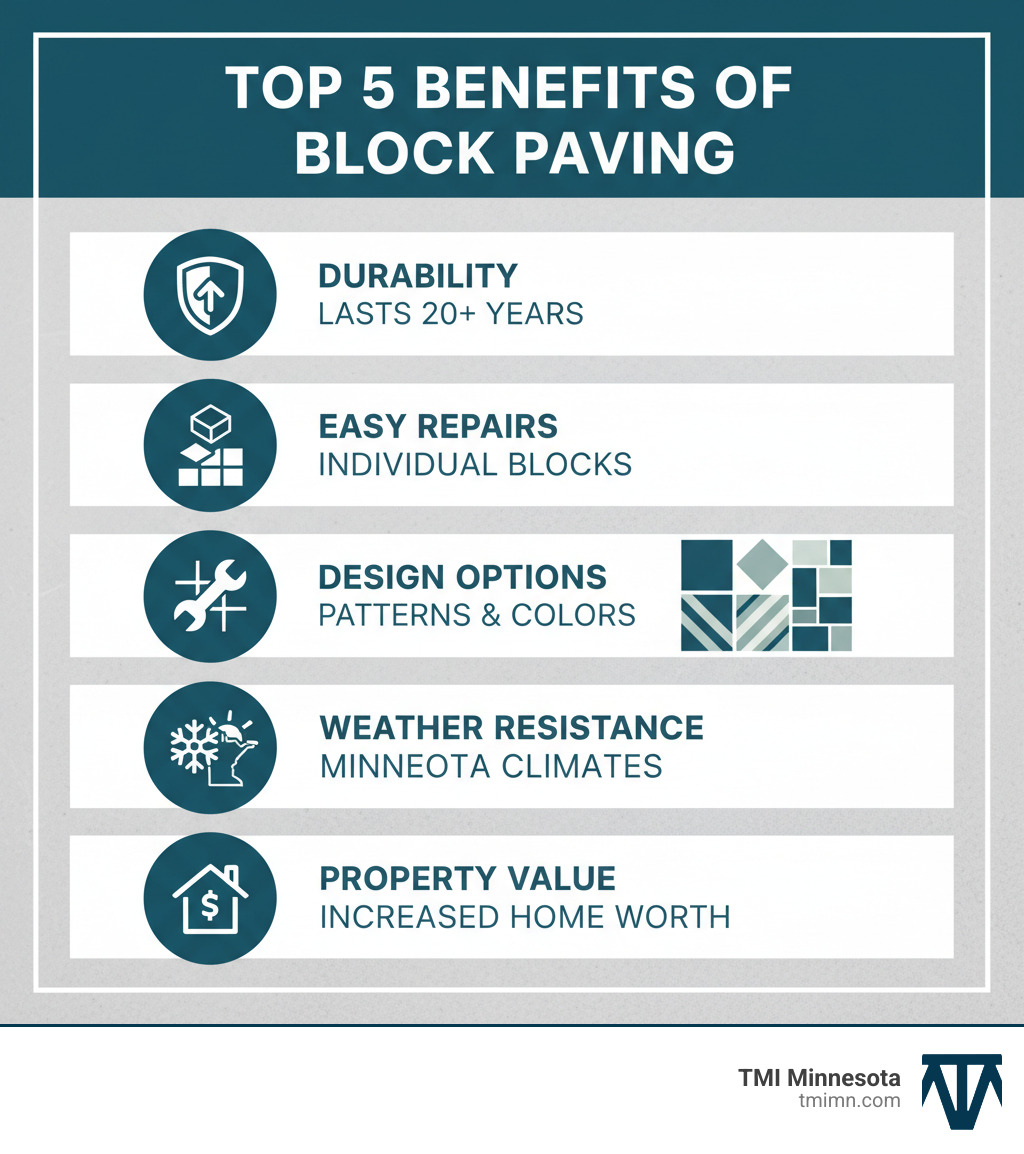
One of the primary benefits is its durability. Professionally laid block paving maintains its appearance for years and, when laid on a proper subbase, is often stronger than concrete. It’s designed to withstand heavy traffic and the harsh climates we experience in the Twin Cities.
Another significant advantage is aesthetic flexibility. Unlike monolithic concrete or asphalt, block paving offers endless design possibilities with countless colors, shapes, and patterns to create a bespoke look for your home.
Easy repairs are a game-changer. If a block is damaged or stained, it can be easily lifted and replaced without disturbing the entire surface, making repairs far more cost-effective than with concrete or asphalt.
Block paving also offers excellent weather resistance. Its segmented nature allows for slight movement with temperature changes, reducing the cracking common in rigid surfaces, which is ideal for regions with freeze-thaw cycles.
Finally, the longevity of block paving is impressive. With proper installation and care, a block paved driveway can last 20-30 years or more, making it a sound long-term investment.
Here’s a quick comparison to highlight these points:
| Feature | Block Paving | Poured Concrete | Asphalt |
|---|---|---|---|
| Lifespan | 20-30+ years (can last a lifetime) | 15-25 years (prone to cracking) | 15-20 years (requires regular sealing) |
| Maintenance | Regular sweeping, occasional jet washing, re-sanding joints, weed treatment | Crack filling, occasional sealing | Regular sealcoating (every 2-3 years) |
| Repairability | Individual blocks easily replaced | Requires cutting out and re-pouring sections | Patching, which can be visible and uneven |
| Aesthetics | High customization, various patterns & colors | Limited design options, can be stamped/colored | Uniform black, can fade over time |
| Cost | Higher initial cost | Moderate initial cost | Lower initial cost |
A Style for Every Home: Block Paving Materials and Designs
The beauty of block paving lies in its incredible versatility. Your outdoor space should be an extension of your home’s character, and block paving offers the perfect canvas. The most common material is concrete pavers, which are durable, uniform, and available in a vast spectrum of colors and finishes, providing endless possibilities for your Block Paving Driveway Designs.
Clay bricks offer a more traditional, classic look with natural earthy tones that age beautifully. For a weathered, antique appearance, tumbled blocks undergo a process that softens their edges, giving them an aged, cobble-like aesthetic.
Beyond the material, the laying pattern impacts the surface’s strength and visual appeal. Popular patterns include:
- Herringbone: This interlocking zig-zag pattern is incredibly strong and ideal for driveways.
- Basket Weave: Creating a checkerboard effect, this pattern offers a charming, traditional appearance for patios and pathways.
- Stretcher Bond: A simple, linear pattern often used for pathways or borders.
- Circles and Fan Patterns: These intricate designs can be incorporated as focal points, adding a touch of elegance.
We can also customize your block paving with features like channels, kerbs, and edging to create a unique and functional outdoor space.
Understanding Permeable Block Paving
For sustainable and environmentally conscious solutions, we often discuss permeable block paving. This innovative system is designed to manage surface water runoff, a growing concern in urban areas.
Permeable block paving features specially designed blocks with wider, aggregate-filled joints. This construction allows rainwater to drain through the surface into the ground or an underground storage system.
The benefits are significant:
- Reduces Surface Water Runoff: It prevents puddles, reduces strain on storm drains, and mitigates local flooding.
- Environmental Benefits: It also replenishes groundwater, filters pollutants, and can reduce the need for costly drainage systems—a key benefit for responsible water management in the Twin Cities.
- Sustainable Drainage System (SuDS): Permeable paving is a key component of SuDS, which mimic natural drainage.
- Versatility: It can be used for driveways, parking areas, and pedestrian zones.
At TMI Minnesota, we offer permeable options that look fantastic and contribute to a healthier environment.
The Professional Installation Process: From Groundwork to Grout
Installing a block paved surface is a complex process that requires precision and expertise. It’s not just about laying blocks; it’s about creating a stable, long-lasting foundation. We follow a meticulous, multi-phase process to ensure every project meets our high standards.
Phase 1: Design, Excavation, and Sub-Base
Every successful project begins with careful planning.
- Site Survey and Design: Our process starts with a site survey to assess the area, discuss your vision, and consider drainage, ground conditions, and aesthetics. Our Hardscape Design Services ensure your new paving integrates seamlessly with your landscape as we help you select the right materials and patterns.
- Excavation: Once the design is finalized, we excavate the area to the required depth, removing old surfaces and soil. Proper excavation is paramount to prevent subsidence and cracks from an unstable base.
- Laying and Compacting the Sub-Base Foundation: This is the most critical step. A robust sub-base of crushed aggregate is laid and compacted in layers. This creates a strong, load-bearing foundation that distributes weight, prevents movement, and ensures proper drainage for long-term stability.
Phase 2: Edging, Sand Bed, and Laying Blocks
With a solid foundation in place, we move to the next stages.
- Installing Edge Restraints: We install sturdy edge restraints around the perimeter to prevent the blocks from spreading or moving laterally, which maintains the integrity of your chosen pattern.
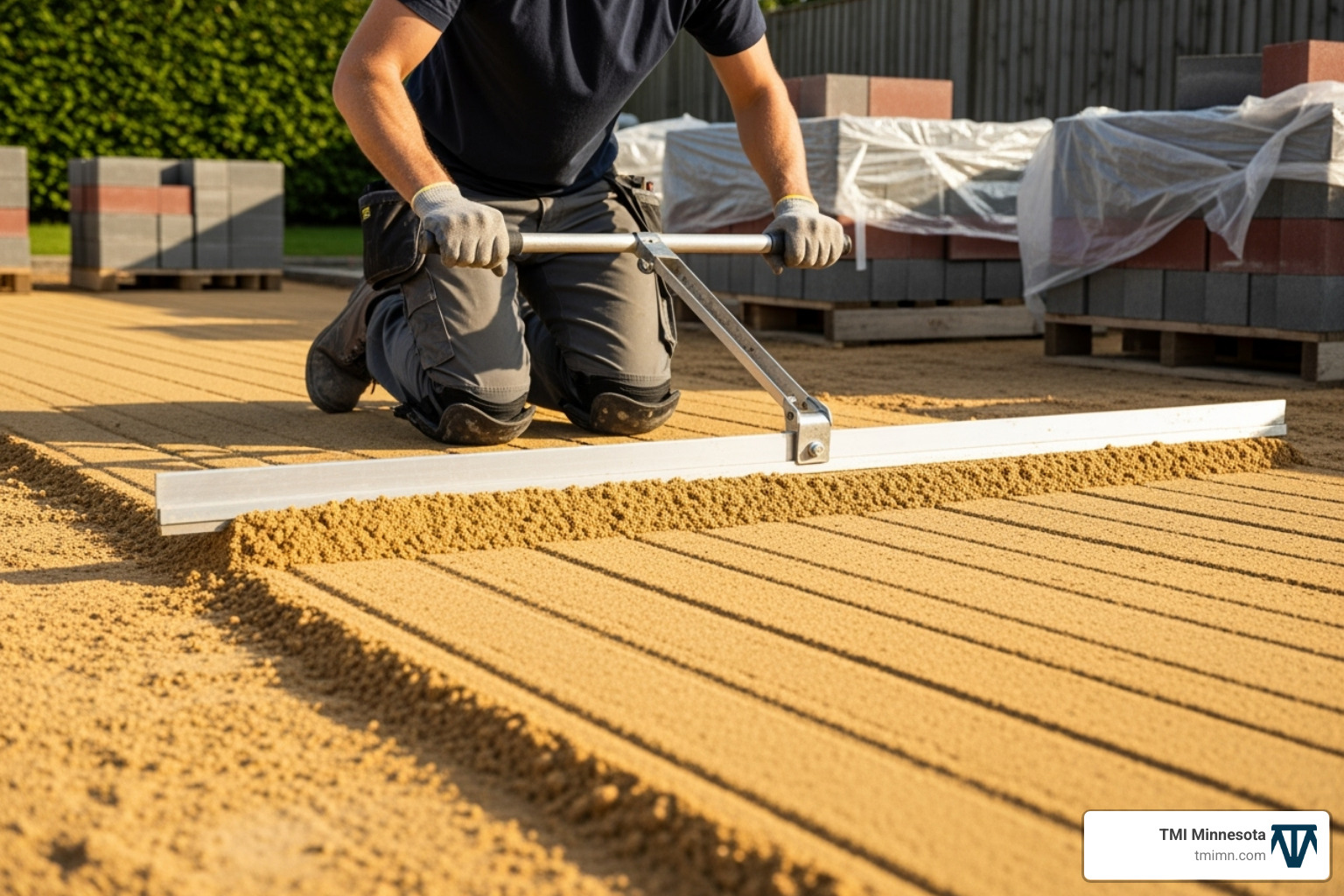
- Creating a Sand Laying Course: A layer of sharp sand is spread over the sub-base and carefully screeded to the precise level and fall required for drainage. This creates a perfectly smooth bed for the pavers.
- Placing Blocks in the Chosen Pattern: Our skilled block paving contractors carefully place each block by hand onto the sand bed, following your selected pattern (e.g., herringbone, basket weave). This block-by-block installation ensures a precise rendering and exceptional longevity.
Phase 3: Jointing, Compaction, and Finishing
The final steps lock everything into place.
- Sweeping Kiln-Dried Sand into Joints: Fine kiln-dried sand is swept over the surface and into the joints, filling the gaps and locking the blocks together through friction.
- Final Plate Compaction: A plate compactor vibrates the blocks, settling the jointing sand deeply into the gaps and further interlocking the entire surface to achieve the final level.
- Optional Sealing: We often recommend applying a sealant to protect the surface from stains, inhibit weed growth, and improve the color of the pavers.
- Site Cleanup: Finally, we ensure a thorough site cleanup, leaving your property pristine and ready for you to enjoy your new block paved area.
This comprehensive approach ensures that every What is Hardscape Installation project we undertake is built to last.
Finding and Hiring Reputable Block Paving Contractors
Choosing the right block paving contractors is as crucial as selecting the right materials. The quality of the installation directly impacts the lifespan and appearance of your investment. Here in the Twin Cities, we understand you want a team you can trust.
Where to Find the Best Local Block Paving Contractors
Finding a reputable contractor doesn’t have to be daunting. A multi-pronged approach yields the best results:
- Online Searches: A search for “block paving contractors Twin Cities” is a good starting point. Look for companies with professional websites and positive online reviews.
- Local Recommendations: Word-of-mouth is powerful. Ask friends, neighbors, or colleagues for their recommendations. Many of our projects come from satisfied customers.
- Checking Trade Accreditations: Look for contractors who are members of recognized trade associations, such as the Interlocking Concrete Pavement Institute (ICPI), or are certified by other reputable organizations. This demonstrates a commitment to quality and ethical practices.
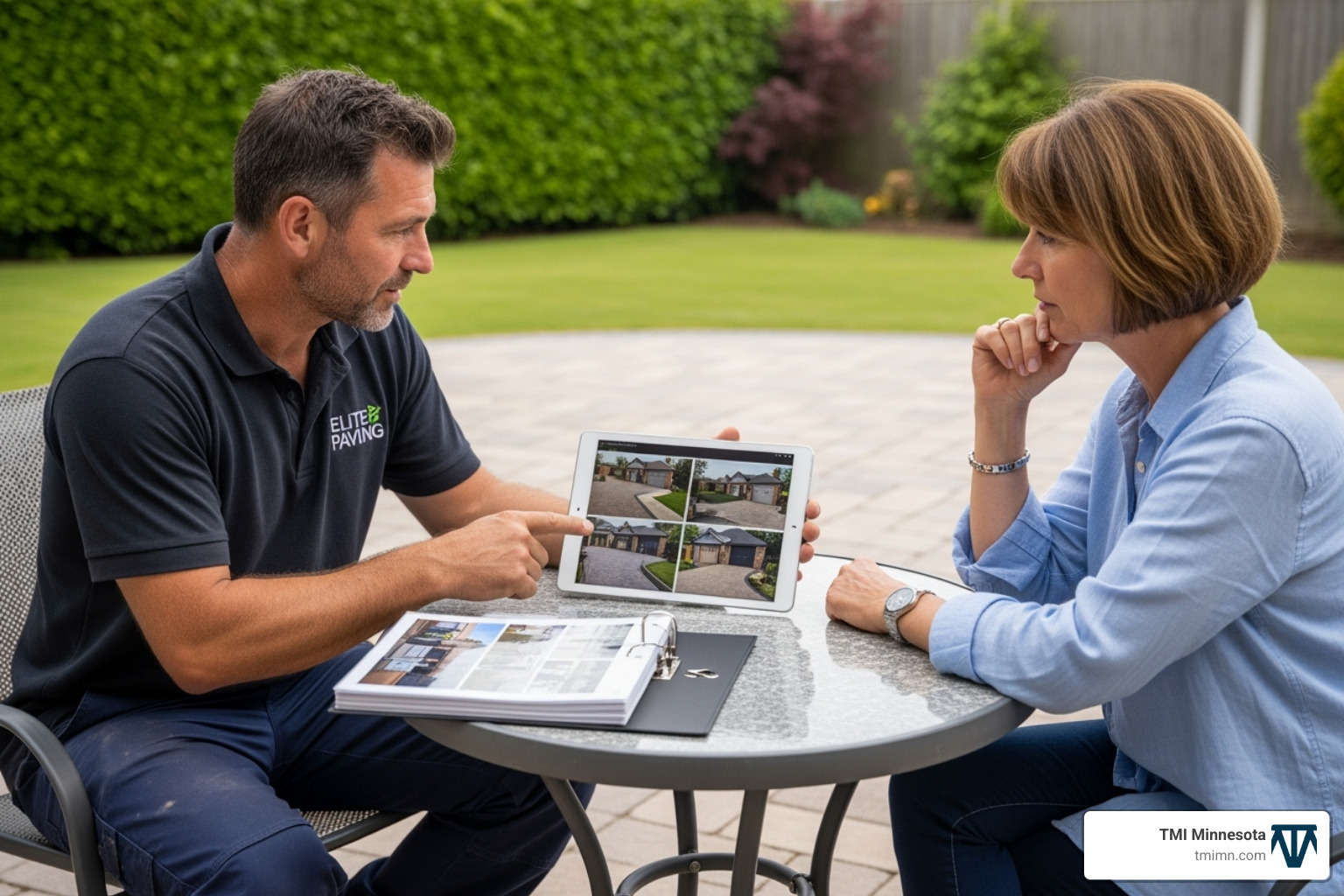
- Reviewing Past Work: Reputable block paving contractors will have a portfolio of completed projects. At TMI Minnesota, our portfolio and client testimonials showcase the unique designs and expert hardscape installations we’ve delivered.
Vetting Your Contractor: Questions to Ask and Red Flags to Avoid
Once you have a shortlist, it’s time to vet them thoroughly to avoid poor craftsmanship. Here are key questions to ask and red flags to watch for:
Key Questions to Ask:
- “Can you provide proof of insurance and licensing?” This is non-negotiable to protect you from liability.
- “What kind of guarantees do you offer on your work?” A reputable contractor will offer a written guarantee, typically from 5 to 10 years.
- “What is your experience with projects like mine?” Experience matters, especially for complex designs.
- “Can you provide references from recent clients?” Speaking to past customers is a great way to gauge satisfaction.
- “What is your typical project timeline?” They should be able to provide a realistic timeframe.
- “How do you handle project changes or unforeseen issues?” A good contractor has a clear process for communication.
- “What is your payment schedule?” Be wary of demands for large upfront payments.
Red Flags to Avoid:
- No physical address or only a P.O. Box.
- Pushy sales tactics or pressure to sign immediately.
- Unusually low bids that suggest shortcuts.
- Cash-only deals that leave you with no paper trail.
- Reluctance to provide a detailed, written quote.
We believe in transparency and professionalism. As one contractor wisely put it, “We saw way too many consumers get way less than they paid for… Therefore, we came to the simple and logical conclusion that we… would be able and great at providing homeowners with the best service and high-quality craftsmanship.” That’s the ethos we strive for at TMI Minnesota.
Understanding Your Quote and Guarantee
Understanding your quote is key to making an informed decision.
- Itemized Costs: An itemized quote should detail all costs: materials, labor, equipment, and extra services like excavation. This transparency shows exactly what you’re paying for.
- Detailed Scope of Work: The quote should clearly outline the entire project, from site prep and drainage to the laying pattern and finishing touches.
- Payment Schedule: A clear schedule protects both parties. It typically involves an initial deposit, progress payments, and a final payment upon completion.
- Written Guarantee: A reputable contractor provides a written guarantee for their workmanship, usually covering structural integrity for 5 to 10 years. This is your assurance that they stand behind their work.
At TMI Minnesota, we provide detailed, transparent quotes for all our Driveway Paving Solutions. We want you to feel confident and informed, knowing your investment is protected.
Your Investment: Cost Factors, Lifespan, and Maintenance
Understanding the financial aspect and long-term care of block paving is essential. While the initial investment might be higher than some alternatives, the longevity and low maintenance often make it more cost-effective in the long run.
What Influences the Cost of a Block Paved Driveway?
The cost of installing block paving can vary significantly, as several factors come into play:
- Area Size: The larger the area, the higher the overall cost, typically quoted per square foot. General paving costs often range from $3 to $20 per square foot, while pavers specifically can be $6 to $20 per square foot. Premium options can go up to $30 per square foot.
- Material Choice: Material choice is a major cost factor. Basic concrete pavers are more affordable than natural stone, clay, or permeable blocks. Style, color, and texture also affect the price.
- Pattern Complexity: Simple patterns like stretcher bond are less expensive to install than intricate designs like herringbone or custom circular features, which require more skilled labor.
- Site Access: Difficult site access for machinery and material delivery can increase labor costs.
- Drainage Needs: Required drainage improvements, especially for permeable systems, can add to the total cost.
- Condition of the Current Area: Removing an old driveway or extensive excavation will add to the cost, potentially $1 to $3 per square foot.
- Additional Features: Extras like steps, retaining walls, or custom borders will contribute to the final price.
We always recommend contacting local block paving contractors for a free site survey and a custom estimate based on your specific requirements.
The Lifespan and Maintenance of Block Paving
One of the most attractive aspects of block paving is its impressive typical lifespan. When professionally laid, it can last 20 to 30 years or even longer with proper care, significantly outweighing the initial investment.
However, to achieve this lifespan, some maintenance is required:
- Routine Sweeping: Regular sweeping removes debris and prevents weed growth in the joints.
- Occasional Power Washing: A gentle power wash every few years can remove stubborn grime. Avoid high pressure that can dislodge jointing sand.
- Re-sanding Joints: Re-sanding the joints every few years maintains the interlock of the blocks and prevents movement. This is a simple task that extends the life of your paving.
- Weed and Moss Prevention: While block paving helps deter weeds, some growth can occur. Regular sweeping and occasional spot treatment with weed killer will help keep your paving pristine.
- Sealing (Optional but Recommended): Applying a sealant every few years protects the blocks from stains, inhibits weed and moss growth, and can improve their color.
By following these simple maintenance steps, your block paved driveway or patio will remain an impressive feature for your home for many years.
Frequently Asked Questions about Block Paving
We often hear similar questions from homeowners considering block paving. Here are some of the most common inquiries, answered by our experts.
How long will my block paving driveway last?
With professional installation and proper maintenance, a block paving driveway can last 20 to 30 years, or even a lifetime. The key is a quality installation, especially the sub-base. Regular sweeping, occasional washing, and re-sanding the joints will ensure its longevity and keep it looking its best.
Can block paving be laid on a slope?
Yes, block paving can be laid on a slope, but it requires expert planning and installation. Our experienced block paving contractors understand how to work with gradients to:
- Ensure Proper Drainage: Integrate adequate drainage solutions to manage water flow and prevent erosion.
- Maintain Stability: Use a design and installation method that ensures blocks remain stable and don’t shift over time.
- Achieve a Consistent Interlock: Ensure blocks are tightly interlocked across the slope to maintain structural integrity.
Attempting a DIY installation on a slope without the necessary knowledge can lead to instability and premature failure.
Is sealing a block paved driveway necessary?
While not mandatory for structural integrity, we highly recommend sealing your driveway for several key benefits:
- Protection Against Stains: Sealants create a protective barrier against oil spills, tire marks, and other common stains.
- Inhibits Weed and Moss Growth: By hardening the jointing sand, sealants significantly reduce the likelihood of weeds and moss taking root.
- Improves Color: Many sealants can enrich the color of the pavers, making them appear more vibrant and new.
- Increased Durability: A sealant adds an extra layer of protection against weathering and abrasion, extending the aesthetic life of your paving.
Consider sealing an investment in maintaining the beauty and reducing the long-term maintenance of your block paved surface.
Conclusion: Transform Your Exterior with the Right Partner
As we’ve explored, block paving offers an unparalleled combination of durability, aesthetic versatility, and practical benefits that make it a standout choice for driveways, patios, and walkways. Its ability to improve curb appeal, increase property value, and withstand the test of time makes it a truly smart investment for any homeowner.
However, the enduring beauty and longevity of block paving hinge critically on one factor: professional installation. From meticulous site preparation and sub-base compaction to precise block laying and proper jointing, every step demands expertise and attention to detail. Choosing experienced block paving contractors ensures your investment is not just laid, but expertly crafted to last.
For expert Hardscape Installations in the Twin Cities, trust the TMI Minnesota team to lift your outdoor living with leading-edge products. We’re dedicated to changing your outdoor spaces with unique designs and a commitment to quality that stands the test of time.
Ready to start your project? Explore our gallery of Block Paving Driveway Designs for inspiration, and let us help you create an outdoor space that you’ll love for decades to come.