
Creating Magical Outdoor Spaces for Kids
Looking for children’s garden design ideas that will spark imagination and encourage outdoor play? Here are the top 5 child-friendly garden elements to consider:
- Secret hideaways – Bean teepees, willow domes, or simple blanket tents
- Sensory zones – Plants with different textures, scents, and sounds
- Edible areas – Kid-friendly fruits and vegetables in raised beds
- Water & mud play – Shallow streams, rain barrels, or designated dig spots
- Creative stations – Outdoor chalkboards, fairy gardens, or nature art spaces
Children’s garden design ideas transform ordinary backyards into extraordinary trips. Unlike typical adult-focused landscapes, these magical outdoor spaces prioritize findy, sensory exploration, and hands-on learning. Studies show that children who regularly engage with nature develop stronger problem-solving skills, greater physical confidence, and a deeper connection to the environment.
The best children’s gardens blend play and education seamlessly, creating zones that appeal to different interests and age groups. They invite young explorers to touch, smell, build, dig, and create—all while fostering a natural curiosity about the world around them.
I’m Christopher Deanovic, Operations Leader at Task Masters, where I’ve transformed countless Minnesota backyards into imaginative play spaces through thoughtful children’s garden design ideas that balance wonder with practicality.

Essential children’s garden design ideas terms:
– creative outdoor play spaces
– backyard climbing wall for kids
– landscape design for small yards
Why Kids Need Gardens
Ever watched a child’s face light up when they find a ladybug on a leaf? Or seen their pride when harvesting their first carrot? These moments reveal why gardens are magical for kids in our screen-dominated world.
As a parent myself, I’ve witnessed how children’s garden design ideas transform not just our yards, but our children’s development. Here in Minnesota, where indoor seasons can feel long, thoughtfully designed outdoor spaces become even more precious.
Gardens offer children something screens simply cannot – a multi-sensory world where they can touch, smell, taste, and witness life unfolding. At TMI Minnesota, we’ve seen how these natural spaces serve as nature’s classroom, playground, and therapy all in one.
Nature therapy isn’t just a trendy term – it’s backed by science. Studies show that regular interaction with plants and soil actually reduces stress hormones in children’s bodies. After a tough day at school, digging in garden soil or lying in grass watching clouds can reset a child’s emotional state in ways that indoor activities rarely match.
The physical benefits are equally impressive. While structured sports have their place, gardens invite a different kind of movement – stretching to pick berries, balancing on stepping stones, or energetically digging for worms. These natural movements develop core strength and coordination without feeling like exercise.
Gardens also offer incredible STEM learning opportunities. When a child plants a seed, they’re conducting a science experiment, measuring growth, observing patterns, and solving problems. They’re learning biology, chemistry, and physics through hands-on experiences that stick with them far longer than textbook lessons.
For children struggling with focus or experiencing mental health challenges, garden time provides remarkable benefits. Research consistently shows improved attention spans and reduced ADHD symptoms following time in green spaces. The sensory engagement of a garden helps regulate emotions and build resilience.
Perhaps most meaningful is the family bonding that happens in gardens. Working together to plant, maintain, and harvest creates shared experiences and traditions. These moments – laughing over a misshapen carrot or celebrating a towering sunflower – become the memories families treasure.
Scientific research on garden benefits continues to expand, confirming what many parents intuitively know: children thrive when connected to nature. As we design outdoor spaces throughout the Twin Cities, we prioritize creating gardens where children can grow alongside their plants – developing patience, responsibility, and wonder about the natural world.
Involving Children in the Design Process
The magic really happens when you invite your kids to help plan their garden space. At TMI Minnesota, we’ve seen how children who participate in designing their outdoor areas develop a deep sense of pride and responsibility that keeps them engaged season after season.
Children bring fresh perspectives and unbridled creativity to the design process. My own daughter once suggested we create a “dinosaur jungle” corner in our yard—an idea that evolved into a thriving fern garden with hidden toy dinosaurs that became the neighborhood kids’ favorite spot!
Visioning Sessions
Start your journey with a family brainstorming session. Gather around the kitchen table with some snacks and ask your children questions that spark their imagination: “What would make our yard more exciting to play in?” or “What kinds of plants would you love to grow?”
For the little ones, try showing pictures from magazines or Pinterest boards of different children’s garden design ideas and watch their eyes light up at what catches their attention. Older kids might enjoy sketching their dream garden elements or creating a vision board of their outdoor wishes.
Sketch & Measure
Take the excitement outdoors by exploring your yard together with measuring tape in hand. Even toddlers can help by holding the end of the tape or placing colorful flags to mark different zones. This hands-on approach teaches spatial awareness while building excitement about what’s possible.
Create a simple map of your yard by outlining:
– The boundaries and existing features to scale
– Sunny versus shady areas throughout the day
– How water moves across your property after rain
– Special views you want to highlight or screen
Bubble Diagrams
One of our favorite child-friendly design techniques at TMI Minnesota involves creating bubble diagrams. Simply place tracing paper over your base map and draw loose circles representing different activity zones. The beauty of this approach is its playfulness—there are no wrong answers!
Watch your children’s faces light up as they move bubbles around, finding how different garden elements might work together. My son spent an entire afternoon rearranging his “mud kitchen bubble” until he found the perfect spot where we could see him from the patio but he still felt like he had his own space.
The “Plan Big, Start Small” Philosophy
Nothing dampens enthusiasm faster than a half-finished project that drags on for months. That’s why we always recommend planning your dream garden in its entirety but implementing it in manageable phases. Children’s garden design ideas work best when broken into bite-sized projects that deliver quick wins.
Maybe you’ll start with a simple bean teepee this spring, add a butterfly garden next summer, and work toward that pond or water feature in year three. Each completed phase builds confidence and keeps the momentum going. Plus, children’s interests evolve quickly—phased implementation allows your garden to grow alongside them.
By involving your kids from day one, you’re not just creating a garden; you’re cultivating memories, teaching valuable skills, and nurturing a lifelong connection to nature. And isn’t that what the best family gardens are all about?
Essential Elements & Safety Checklist
Creating a magical outdoor space for children starts with safety and functionality. Before you dive into the fun design ideas, let’s make sure your garden has these foundational elements that will keep kids safe while encouraging independent exploration.
Thoughtful pathways guide little explorers through their garden trips. We’ve found that tree stump stepping stones offer natural balance practice, while mulch paths provide soft landings for inevitable tumbles. Many families love the sensory experience of flagstone with creeping thyme—releasing a wonderful fragrance when stepped on. For parents who want a built-in alert system, pea gravel creates that satisfying crunch that signals a child is on the move. Whatever path material you choose, keep edges clearly defined but never sharp or splintery.
Minnesota summers can get hot, making shade absolutely essential in any children’s garden design ideas. Consider colorful shade sails that add visual interest while blocking UV rays, or create a child-sized pergola draped with climbing plants. Strategically placed trees offer natural shade plus potential climbing opportunities as children grow. Don’t forget movable umbrellas for flexibility on those extra sunny days!
Kids need places to rest, observe, and simply be. Child-sized seating makes them feel the garden truly belongs to them. Smooth-topped log rounds at varying heights, kid-scale benches, or even a low-hanging hammock provide perfect perching spots for young gardeners taking a break from their explorations.

Water features add immense play value to any garden, but safety comes first. Keep water shallow—no more than 2 inches for young children—and ensure you can easily see the water area from adult seating spots. At TMI Minnesota, we recommend recirculating systems that conserve water while providing that magical gurgling sound kids love. Always include a simple on/off mechanism that adults control.
Perhaps the most critical safety consideration in children’s garden design ideas is plant selection. Young children explore with all their senses—including taste—so avoid anything toxic. Fill your garden with child-friendly options like cheerful sunflowers, interactive snapdragons, sweet strawberries, and cherry tomatoes perfect for tiny hands. Sensory favorites include nasturtiums with their edible flowers, velvety lamb’s ears for touching, and aromatic mint that’s perfect for impromptu tea parties.
Every young gardener needs their own tools! Create accessible storage with low hooks featuring silhouettes showing where each tool belongs—a visual system that encourages independence and organization. Colorful buckets for collecting garden treasures, kid-sized watering cans, and small gloves help children feel like true gardeners. Don’t forget a designated spot for muddy boots and a hand-washing station!
Different age groups have different garden needs, as this quick reference shows:
| Age Group | Recommended Features | Safety Considerations |
|---|---|---|
| Toddlers (1-3) | Sensory plants, shallow digging areas, smooth stepping stones | No small choking hazards, constant supervision, no toxic plants |
| Preschoolers (3-5) | Simple growing projects, fairy gardens, low climbing elements | Clear boundaries, rounded edges, stable climbing surfaces |
| Elementary (6-10) | Building zones, more complex growing, wildlife habitats | Tool safety, designated “look don’t touch” areas for delicate plants |
| Tweens/Teens (11+) | Private hangout spaces, food growing, design input | Challenging projects, responsibility for garden sections |
The best children’s garden design ideas evolve as children grow. For inspiration on creating age-appropriate outdoor play spaces that grow with your children, check out our guide to Creative Outdoor Play Spaces, where we share more safety tips and design insights for Minnesota families.
Children’s Garden Design Ideas: Six Playful “Rooms”
When designing a garden for children, thinking in terms of “rooms” creates a magical experience that keeps young explorers engaged. Unlike adult spaces, children thrive in cozier, more intimate areas that feel specially crafted for their smaller bodies and boundless imaginations.
The best children’s garden design ideas create a sense of journey—each turn in the path revealing something new to find. Children naturally gravitate toward spaces that feel just their size, where they can feel both protected and independent.
Think of your yard as a storybook with different chapters. Each garden room should have its own character while connecting to the larger narrative of your outdoor space. What makes these areas truly special is how they evolve throughout the seasons, ensuring there’s always something new to explore.
The secret to maintaining long-term interest is creating what designers call “ever-changing features”—elements that look different as plants grow, seasons shift, or when children modify them through play. This keeps the wonder alive month after month.
At TMI Minnesota, we’ve found that dividing children’s gardens into distinct themed zones dramatically increases how much time kids spend outdoors. These “findy zones” (places where children can find interesting things) spark curiosity and encourage self-directed play—exactly what growing minds need.
Let’s explore six magical garden rooms that will transform your Minnesota yard into a childhood paradise. Each can be scaled to fit your available space, and you can start with just one or two before expanding your children’s outdoor kingdom.
Idea 1: Sensory Path & Touch Garden
Imagine a garden path designed specifically for little fingers to touch, tiny noses to smell, and curious minds to explore. A sensory garden path isn’t just beautiful—it’s an invitation for children to engage with nature using all their senses.
Children naturally experience the world through touch, smell, sound, sight, and taste. Creating a dedicated sensory zone gives them permission to interact freely with plants in ways that might be discouraged elsewhere (“Don’t pick the flowers!”). This becomes their special place to squeeze, sniff, and find.
Key Elements:
The magic of a sensory path lies in its variety. Fragrant herbs create delightful scent moments throughout the journey. Lavender offers its calming purple presence, while different mint varieties never fail to surprise young visitors (chocolate mint is particularly magical for kids who can’t believe a plant could smell like candy). Lemon balm releases its citrusy perfume when little fingers brush against it, and rosemary’s piney scent lingers on hands long after touching.
Texture is equally important in this garden room. Textural plants like lamb’s ears feel impossibly soft against a child’s cheek, while various ornamental grasses provide different heights, movements, and tactile experiences. We often include succulents for their firm, fleshy leaves that feel so different from other garden plants. Feather reed grass becomes nature’s whisper, creating gentle sounds with the slightest breeze.
The path itself should be an trip underfoot. We love creating sections with different path materials—smooth stones give way to springy mulch, perhaps with a small sand section for barefoot exploration. Wind chimes hung at child height (not adult height) invite interaction, while textured stepping stones—some embedded with fossils or handprints—make every step interesting.
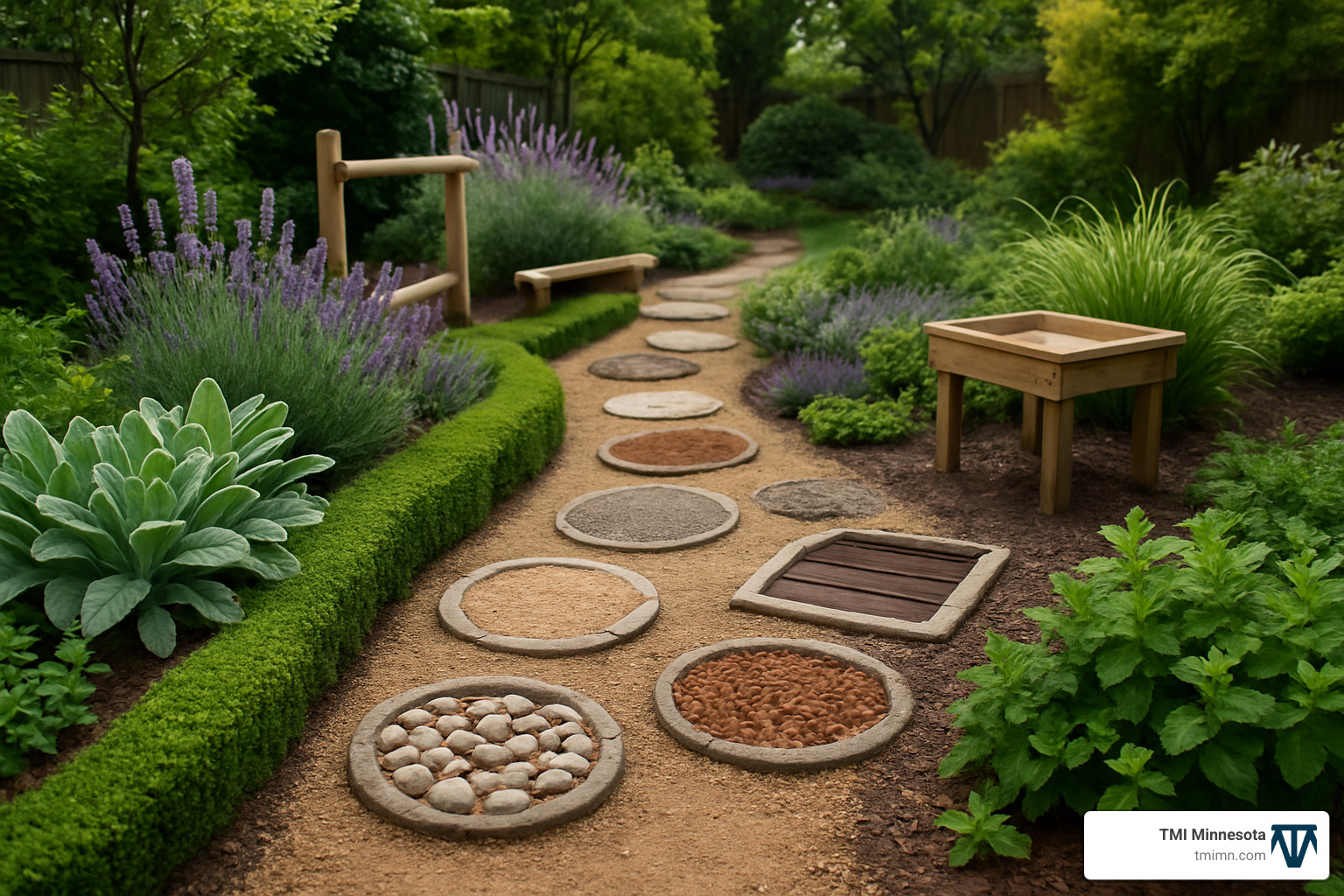
Low hedges of child-friendly boxwood or other non-toxic shrubs help define the sensory path and create that sense of journey that children love. Consider creating small “findy stations” along the way—little nooks where kids can stop to interact with specific plants or features.
Implementation Tips:
When we design sensory paths at TMI Minnesota, we always make them winding rather than straight. This simple choice creates mystery—what’s around the next bend?—and extends the exploration experience. We place aromatic plants strategically where they’ll be brushed against or near seating areas where scents can be enjoyed up close.
Be sure to include plants that dance in the breeze for visual stimulation. Small signs with simple prompts like “Smell me!” or “Feel how soft!” help guide exploration, especially for younger children or first-time visitors.
Step stones should be placed at comfortable intervals for small legs—remember to think about child stride length, not adult. The sensory path works beautifully as a transitional space between other garden “rooms,” creating a journey of findy throughout your yard.
Children’s garden design ideas like sensory paths aren’t just fun—they’re developmental powerhouses, building neural connections through multi-sensory experiences. We’ve seen even the most technology-focused kids become completely absorbed in these simple natural wonders when given the chance to explore on their own terms.
Idea 2: Edible Teepee Hideout
There’s something magical about having a secret hideaway as a child. An edible teepee brings together the thrill of a private retreat with the joy of growing your own food—a combination that captivates young imaginations and hungry tummies alike!
“My kids spend hours in their bean teepee,” shares one Minnesota mom. “They read books inside while watching butterflies land on the flowers just inches away. It’s become their favorite summer hangout.”
Key Elements:
Creating this living structure is simpler than you might think. Start with 6-8 bamboo poles (about 8-10 feet tall) arranged in a circle roughly 5-6 feet across. Secure them tightly at the top with garden twine, leaving a small opening that faces an area where you can keep an eye on the little ones.
The magic happens when you plant climbing edibles at the base of each pole. Scarlet runner beans produce stunning red flowers that attract hummingbirds while also providing a tasty harvest. Sugar snap peas offer an early-season crop that kids can snack on right off the vine—nothing beats that garden-fresh crunch! For fall interest, try small pumpkin varieties like ‘Jack Be Little’ that won’t weigh down your structure.
Inside the teepee, create a cozy retreat with soft clover groundcover, a small stump for sitting, and perhaps some solar-powered fairy lights that transform the space at dusk. A weatherproof container with books or quiet activities completes this perfect childhood sanctuary.
Growing “children’s garden design ideas” vertically
The bean teepee showcases how children’s garden design ideas can make the most of vertical space. Growing upward adds visual interest and maximizes your garden footprint—especially valuable in smaller Twin Cities yards.
Beyond the teepee, vertical growing opens up delightful possibilities for young gardeners:
Sunflower houses create natural playrooms when planted in a circle with a gap for an entrance. Cucumber trellises with harvest baskets underneath make gathering produce a treasure hunt. Cherry tomatoes trained up colorful stakes bring edibles to perfect picking height, while hanging strawberry planters position sweet treats right at eye level for little ones.
The look on a child’s face when they pluck and eat that first sun-warmed cherry tomato creates memories—and healthy eating habits—that last a lifetime.
Implementation Tips:
For a successful teepee, drive those poles at least 12 inches into the ground so they’ll stand strong against Minnesota summer storms. Space them about 24 inches apart at the base for optimal growing room. Plant 2-3 seeds near each pole, about 2 inches deep, and water regularly until established.
Young vines might need gentle guidance at first to find their way up the poles, but they’ll soon take off on their own. Remember to harvest beans regularly to encourage continued production—a perfect chore for little helpers!
If you have very young explorers, stick with non-toxic climbing plants for your teepee. The Children’s Bean Teepee – how-to guide offers additional safety tips and plant suggestions.
At TMI Minnesota, we’ve helped countless families create these living playhouses that combine the best of gardening and imaginative play—just one of many children’s garden design ideas that transform ordinary backyards into extraordinary trips.
Idea 3: Water & Mud Play Corner
There’s something almost magical about watching children find the joy of splashing, pouring, and squishing mud between their fingers. A thoughtfully designed water and mud play area quickly becomes the heart of any children’s garden, especially during those warm Minnesota summers when cooling off becomes a priority.
“Water features are consistently the most requested element when we design children’s garden design ideas with families,” I often tell clients. “They create a sensory experience that’s both calming and exciting at the same time.”
Key Elements:
Recirculating Stream
Creating a shallow pebble stream gives children the thrill of moving water without the safety concerns of deeper features. We typically design these just 1-2 inches deep with smooth, rounded stones lining the bottom for safe exploration. The gentle gurgling sound adds a peaceful soundtrack to your garden while inviting curious hands to redirect the flow with small dams or floating leaf boats.
Many families love how we incorporate wider “pool” sections at intervals, giving children natural stopping points to experiment with floating objects or create miniature waterfalls. A beach-like sandy entry point provides a perfect transition space that’s friendly to bare feet.
Mud Kitchen
There’s a reason mud pies have been a childhood staple for generations! A simple mud kitchen transforms ordinary dirt into a world of culinary creativity. We often repurpose an old cabinet or table as the work surface, position it near the water source, and stock it with cast-off kitchenware that can withstand outdoor play.
Children spend hours mixing concoctions, decorating with petals and sticks, and serving up imaginary feasts. The sensory benefits of mud play are tremendous – squishing, molding, and patting engages fine motor skills and sensory processing in ways few other activities can match.
Water Conservation Features
In Minnesota, we’re blessed with abundant water resources, but teaching conservation remains important. A rain barrel with a child-height hand pump becomes both a play feature and a learning tool. Children love the cause-and-effect relationship of pumping and seeing water flow, while parents appreciate the environmental lessons.
Visible rain chains that guide water from gutters into collection areas help children understand water movement, while simple signage can explain the water cycle in kid-friendly terms. Best of all, this play water can often be directed to nearby plants, creating a practical purpose for playtime.
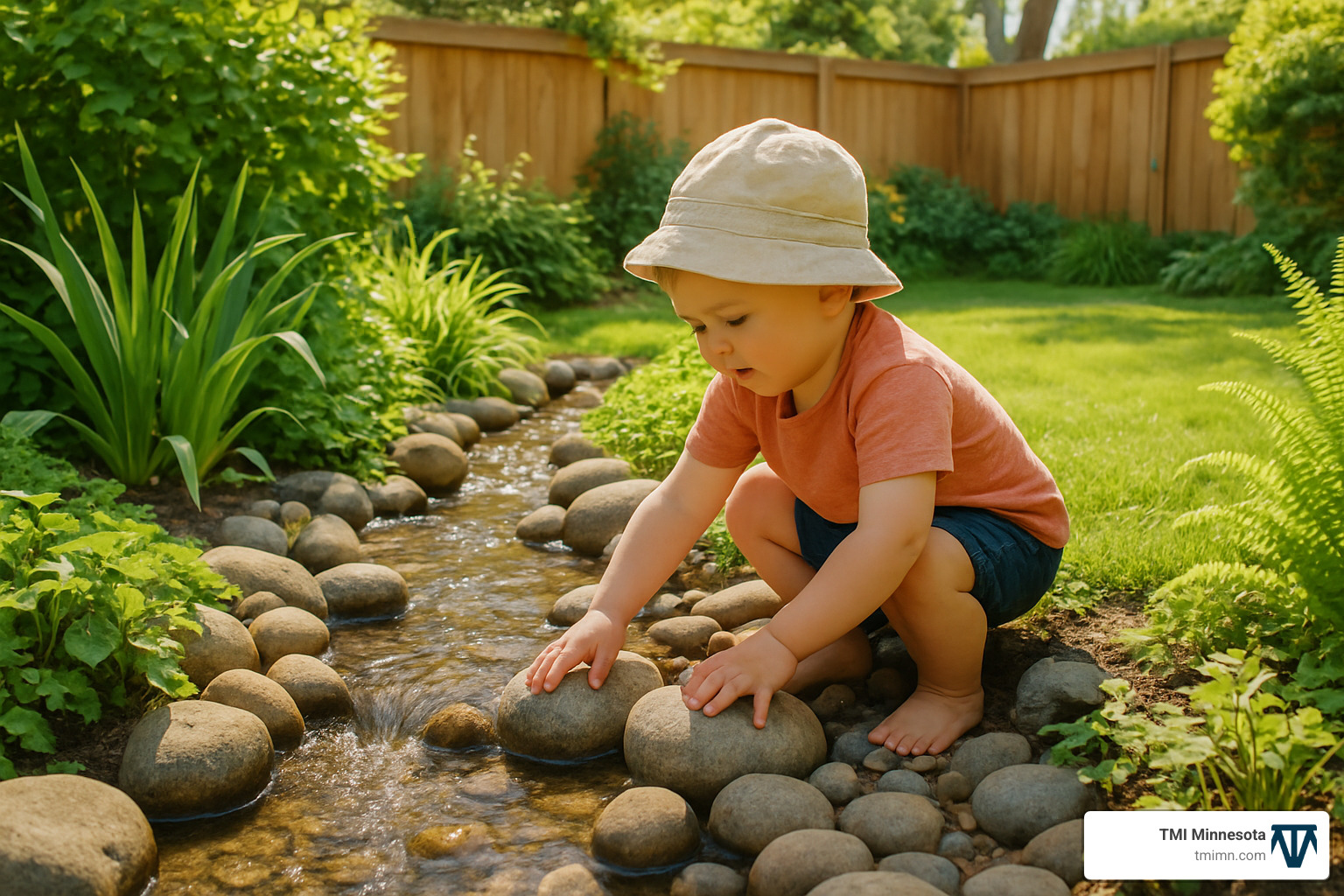
Safety remains our top priority when designing water features for families. We always position water play areas with clear sightlines from adult seating areas, keep water shallow, and often include a simple valve that lets parents turn the water feature on or off as needed. The peace of mind this creates allows children the freedom to explore independently.
Implementation Tips:
When we install water play areas, we carefully consider placement to ensure that enthusiastic splashing won’t damage other garden elements. A nearby spot for hanging wet clothes or towels prevents soggy treks through the house, while non-slip surfaces around water elements prevent slips and falls.
Minnesota’s seasonal changes require thoughtful drainage solutions, especially as winter approaches. We design systems that can be easily winterized and protected from freeze damage.
We’ve found that involving children in simple maintenance routines – like clearing leaves from the stream or cleaning mud kitchen tools – builds responsibility and deepens their connection to the space. These small tasks become part of the play experience rather than feeling like chores.
Water features can start simply – even a large shallow tub filled with water toys creates hours of entertainment. For families ready for something more elaborate, our team at TMI Minnesota can design custom backyard water features that perfectly balance play value with practical considerations like safety, aesthetics, and maintenance needs.
Idea 4: Wildlife & Pollinator Patch
There’s something magical about watching a child’s face light up when a butterfly lands nearby or a hummingbird hovers at a flower. Creating a wildlife and pollinator patch in your garden isn’t just beautiful—it’s a living classroom that brings science to life right in your backyard.
Children are naturally curious about the creatures that share our world. A dedicated wildlife area creates a space where kids can witness the fascinating relationships between plants and animals, developing a deeper understanding of ecology through hands-on experiences.
Key Elements:
Butterfly Plants
The heart of any pollinator garden is its plant selection. In Minnesota’s climate, we’ve found several reliable performers that children love. Plant native milkweed—it’s not just pretty, but essential for Monarch butterflies who lay their eggs exclusively on these plants. The caterpillars that emerge provide endless fascination for young naturalists.
Purple coneflower stands tall through summer heat, attracting butterflies with its nectar-rich center. Its sturdy stems withstand curious little hands, making it perfect for children’s gardens. Pair it with cheerful black-eyed Susans for a colorful display that pollinators can’t resist. Butterfly bush, despite its non-native status, earns its place by attracting numerous butterfly species with its honey-scented blooms.
Habitat Features
A truly welcoming wildlife garden goes beyond plants. Create a simple bug hotel by stacking different natural materials—pine cones, bamboo tubes, and small logs with drilled holes—to provide nesting sites for beneficial insects. A strategically placed log pile becomes home to beetles and other decomposers that fascinate children with their important cleanup work.
Add a shallow bird bath with perching stones where feathered friends can drink and bathe while children watch from a respectful distance. In spring, set up a nesting materials station with bits of string, cotton, and dried grass that birds can collect for their nests.
Observation Tools
Transform your wildlife patch into an exploration station by adding child-height viewing platforms or a simple bench where kids can sit quietly. Keep magnifying glasses in a weather-proof container for up-close investigation. Simple field guides with clear pictures help children identify what they see, while a nature journal station with colored pencils encourages recording observations—a practice that develops both scientific thinking and artistic skills.
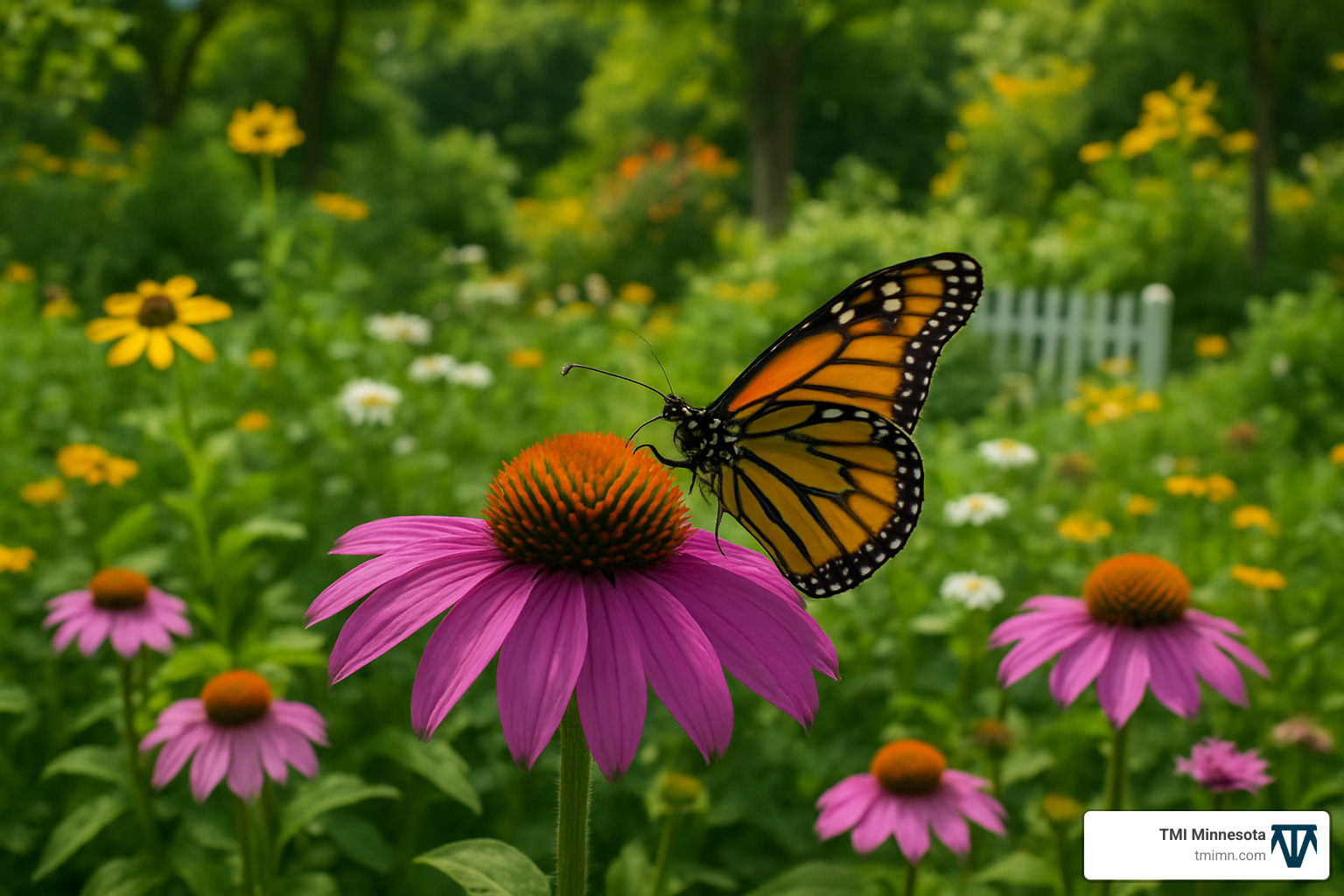
Unlike manicured garden areas, your wildlife patch should accept a slightly wild aesthetic. Let some plants go to seed to provide natural bird food. Keep small areas of leaf litter as habitat for beneficial insects. This “controlled chaos” teaches children that nature isn’t always tidy, but it’s always working.
Implementation Tips:
When planting your pollinator patch, group the same flowers together rather than scattering individual plants. These “drifts” of color are more visible to pollinators and create a stronger visual impact. Include both host plants (where insects lay eggs) and nectar plants for a complete habitat.
Make this area a pesticide-free zone—even organic options can harm the very creatures you’re trying to attract. Consider adding simple identification signs to help children recognize common visitors, perhaps with fun facts about each species.
The wildlife patch teaches perhaps the most valuable garden lesson of all: patience. Children learn that sometimes the most rewarding experiences come from sitting quietly, watching, and waiting for nature’s small miracles to unfold before their eyes.
At TMI Minnesota, we’ve seen how these children’s garden design ideas for wildlife areas become favorite family gathering spots, creating opportunities for meaningful conversations about conservation and our connection to the natural world.
Idea 5: Art Wall & Tinkering Station
Every child is an artist at heart, and outdoor spaces offer the perfect canvas for creative expression that might be too messy for your living room. In my years designing family-friendly landscapes across Minnesota, I’ve seen how outdoor art areas become the heart of many children’s gardens.
An art wall and tinkering station creates a designated space where kids can experiment freely with both natural treasures and repurposed materials. This garden “room” encourages imagination while developing fine motor skills and problem-solving abilities.
Key Elements:
The beauty of an outdoor art space is its versatility. At TMI Minnesota, we typically include several creative surfaces in our children’s garden design ideas. A large chalkboard mounted securely to a fence transforms a boring boundary into an ever-changing masterpiece wall. For more fluid creativity, consider installing a plexiglas panel where washable tempera paints can be applied and easily hosed off afterward. Many families also enjoy a simple vertical easel with clipboards for holding paper on windy days.
Storage is crucial for keeping your creative zone functional. A weather-resistant trunk or bench with built-in storage compartments keeps natural materials organized and protected from the elements. We recommend including collection baskets that children can take on nature walks to gather interesting leaves, stones, and sticks for their creations. A simple display shelf mounted at child height allows proud artists to showcase their completed nature art.
The most successful tinkering stations incorporate active elements that engage the whole body. Consider adding climbing holds directly to the chalkboard wall, creating a vertical play surface that serves double duty. Simple machines like pulleys and levers fascinate children while teaching physics concepts. One of our most popular children’s garden design ideas is a water wall made from recycled containers, tubes, and funnels where kids can experiment with flow and gravity.
For musical exploration, weather-resistant instruments like chimes, drums made from recycled materials, or simple xylophones add another sensory dimension to the space.
Implementation Tips:
When installing your art wall, choose a semi-sheltered location where supplies won’t be damaged by heavy Minnesota downpours. A simple roof extension or colorful awning can extend the usability of this space throughout our unpredictable seasons.
Instead of traditional chalkboard material, we often recommend plexiglas for outdoor art walls because it offers more versatile options—chalk, markers, and paints can all be used and easily cleaned. A container of shaving cream works wonderfully for quick cleanup of plexiglas surfaces between creative sessions.
To maintain interest throughout the year, rotate available materials seasonally. Pinecones and dried grasses in fall, ice painting in winter, flower petals in spring, and natural dyes from berries in summer keep the creative options fresh and exciting.
Unlike structured play equipment that serves a single purpose, the tinkering station evolves alongside your child’s interests. It’s a space that grows with them, supporting the kind of open-ended play that develops creative problem-solving skills that last a lifetime.
At TMI Minnesota, we’ve found that these creative outdoor spaces often become the most cherished part of a family’s landscape—a place where imagination flourishes and memories take root alongside your garden plants.
Idea 6: Quiet Reading Meadow
Every child needs a peaceful retreat—a special place to catch their breath, dive into a good book, or simply watch clouds drift by. A reading meadow creates this magical haven where imagination can flourish in quieter moments.
In our years of creating children’s garden design ideas at TMI Minnesota, we’ve found that these tranquil spaces often become children’s favorite spots, especially after energetic play in other garden zones.
Key Elements:
The perfect reading meadow starts with comfort underfoot. Consider planting low-mow ground covers like microclover or creeping thyme that create a soft, inviting surface that’s pleasant to sit on. These hardy options stand up to Minnesota’s climate while requiring minimal maintenance—just what busy families need.
Around the perimeter, plant a ring of native wildflowers or ornamental grasses. This natural boundary creates a sense of enclosure that children love—a world set apart from everyday life where stories come alive. The gentle movement and sounds of grasses add to the peaceful atmosphere.
For seating, think beyond traditional benches. A child-height hammock strung between trees creates an irresistible reading nook. Smooth boulders positioned strategically offer natural perches, while weather-resistant cushions can be brought out for story time and easily stored away.
The magic truly happens when you add elements that spark imagination. Children’s garden design ideas shine when they include miniature worlds within the larger landscape:
- Tiny fairy houses crafted from natural materials
- Miniature gardens with child-made accessories
- Storytelling stones with simple painted images
- Wind spinners or streamers that dance in the breeze
A shade sail overhead provides relief on sunny Minnesota summer days, making the space usable even during peak afternoon heat. For a more natural canopy, consider fast-growing vines on a simple structure.

Implementation Tips:
Position your reading meadow away from active play areas to maintain its peaceful character. A winding path that leads to this “secret” destination builds anticipation and makes the space feel special. Consider adding a small weather-resistant chest where books can be stored, or create a rotation of outdoor-friendly reading materials.
The most successful reading meadows evolve with children’s interests. One season might feature a collection of painted story stones, while the next introduces a miniature village. This flexibility keeps the space engaging year after year.
At TMI Minnesota, we’ve seen how these quiet garden rooms balance more active spaces. While climbing structures and water play certainly have their place, this contemplative area supports different but equally valuable development: language skills, emotional regulation, and the capacity for wonder.
Not all valuable outdoor time needs to be active. In the reading meadow, children learn to notice tiny details—the intricate pattern of a leaf, the busy work of an ant, the changing shapes of clouds. These moments of quiet observation build a foundation for scientific thinking and environmental stewardship that will last a lifetime.
Small-Space & Inclusive Approaches
Gardens aren’t just for families with sprawling backyards. Some of the most magical children’s garden design ideas happen in compact spaces where creativity truly shines. And thoughtful design ensures that every child, regardless of ability, can experience the joy of connecting with nature.
Container Gardens
When space is limited, containers become your best friends. I’ve seen children absolutely delight in their personal pot gardens, often becoming more invested because they can truly claim ownership of “their plant.”
Colorful containers at varying heights create visual interest that draws children in. Try selecting dwarf varieties of favorite vegetables—cherry tomatoes and mini bell peppers are particular hits with young gardeners. Theme your containers to spark imagination—a pizza garden with basil, oregano and cherry tomatoes or a rainbow garden with flowers arranged by color.
The beauty of containers is their flexibility. They can transform a tiny patio corner into a flourishing garden that children can rearrange as their interests evolve.
Raised Tables
Lifted growing spaces do more than just look interesting—they make gardening accessible to everyone. Children in wheelchairs can easily engage when plants are at table height. Very young gardeners avoid frustrating bending and stretching. And parents appreciate less back strain when helping little ones tend their plants!
These liftd gardens work beautifully on patios, decks and balconies where in-ground planting isn’t an option. They also provide better drainage and soil control, which means more successful growing experiences—important for maintaining children’s enthusiasm.
Wheelchair-Accessible Paths
Creating inclusive gardens means thinking carefully about how everyone moves through the space. Firm, level pathways at least 36 inches wide accommodate wheelchairs and walkers comfortably. Avoid abrupt level changes, or where necessary, incorporate gentle ramps that blend naturally into the landscape design.
Remember to include turning spaces at key activity zones so all children can steer independently. Position interactive elements at various heights so everyone can reach something special, fostering a sense of belonging in the garden.
Vertical Planters
Growing upward is perhaps the smartest strategy for small spaces. Wall-mounted gutter gardens make perfect homes for greens and herbs that children can harvest at eye level. Pallet gardens transformed with a bit of landscape fabric create excellent homes for strawberries and trailing plants that children can easily reach.
Tiered planters create living walls that maximize growing space while adding visual drama. And don’t forget hanging baskets positioned at child height—these create delightful “findy” moments when children find flowers or strawberries hidden among the foliage.
Upcycled Containers
Children naturally connect with the playful personality of repurposed planters. Old rainboots filled with soil become whimsical homes for succulents. Colanders and sieves transform into hanging planters with built-in drainage. A vintage wagon or wheelbarrow creates a mobile garden that can follow the sun or be wheeled to a protected spot during Minnesota’s unpredictable weather.
Hand-painted tin cans make perfect herb gardens that children can decorate themselves, fostering both creativity and plant stewardship. These projects teach sustainability while adding unique character to your space.
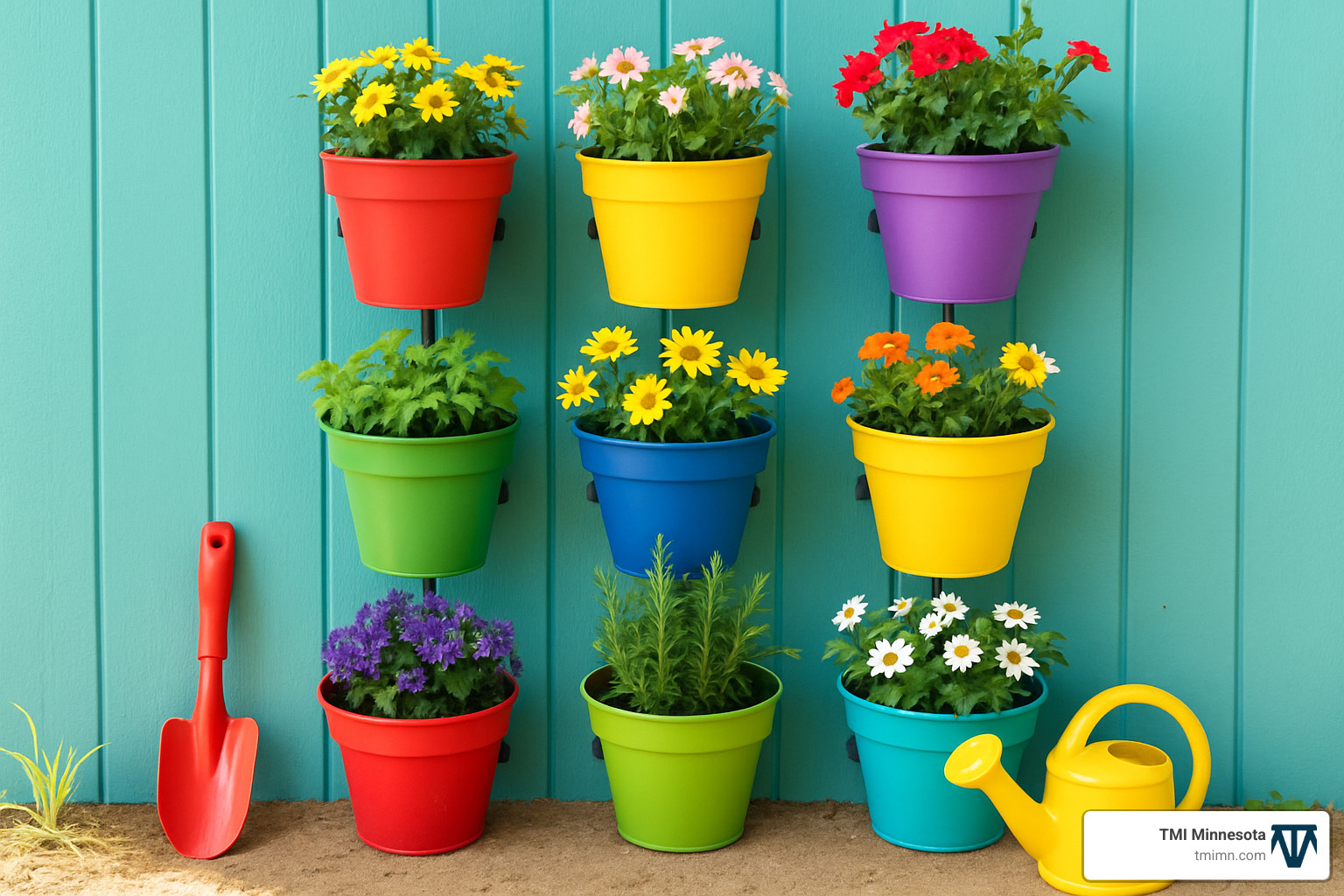
Compact “children’s garden design ideas” for balconies
Even the tiniest outdoor space holds potential for wonder. Window boxes bring nature right to your fingertips with fast-growing radishes and microgreens that provide nearly instant gratification for impatient young gardeners. Hanging strawberry planters create excitement when bright red berries appear at perfect reaching height.
Create sensory experiences in minimal space with containers of scented herbs and textural plants. Rosemary, mint and lamb’s ears need very little room but provide rich sensory experiences. Miniature fairy gardens in weatherproof containers spark imagination while teaching care for tiny plants.
At TMI Minnesota, we specialize in creating edible garden landscape ideas that work beautifully in various settings. We understand the unique challenges of the Twin Cities climate and can recommend solutions that thrive in our region while keeping children engaged throughout the growing season. Small spaces often become the most magical gardens because they encourage thoughtful, creative design that makes every square inch count.
Seasonal Maintenance & Year-Round Engagement
Minnesota’s distinct seasons create both challenges and opportunities for keeping children engaged in garden spaces throughout the year. A thoughtfully designed children’s garden shouldn’t hibernate when temperatures drop—instead, it should transform alongside the changing seasons, offering new findies and activities year-round.
Spring Seed-Starting
Spring brings renewed energy and the perfect opportunity to build garden excitement with children. The simple act of planting seeds connects kids to the miracle of growth and creates anticipation for warmer days ahead.
In our Minnesota climate, starting seeds indoors not only gives plants a head start but provides hands-on learning during those final weeks of winter. Set up a simple seed-starting station near a sunny window where children can help fill containers with soil, carefully place seeds, and water their future garden. Using transparent containers allows little ones to witness the magic of germination as roots and shoots emerge.
My favorite spring activity with children is creating a “garden dream board” where they can paste pictures from seed catalogs alongside their own drawings of what they hope to grow. This visual planning tool builds excitement and helps children connect present actions with future rewards—a powerful life lesson disguised as garden fun.
Summer Findy Swaps
Children’s garden design ideas shine brightest in summer, but even the most magical outdoor space needs refreshing to maintain interest. The concept of “findy swaps” keeps the garden feeling new and exciting throughout the growing season.
Every few weeks, introduce new elements for findy—painted rocks hidden among plants, fairy doors that appear overnight, or small animal figurines nestled in foliage. Create simple scavenger hunts with items that change as different plants bloom and mature. These small surprises maintain the garden’s sense of wonder and encourage thorough exploration.
For older children, summer is perfect for adding temporary features like water play stations, sun-print paper for capturing plant shadows, or natural dye experiments using garden flowers. These activities capitalize on summer’s warmth while deepening connections to the garden space.
Autumn Harvest Fest
Fall brings a natural conclusion to the growing cycle and offers perfect opportunities to celebrate garden achievements. Rather than seeing autumn as the end of garden season, frame it as the culmination of summer’s hard work.
Create special harvest baskets (even decorated paper bags work wonderfully) for collecting garden bounty. Make simple recipes together using ingredients children have grown—there’s nothing quite like the pride on a child’s face when serving tomato sauce made from tomatoes they planted and tended.
Autumn also teaches valuable lessons about cycles and renewal. Involve children in collecting and saving seeds from successful plants, storing them in decorated envelopes for next year’s garden. This simple act connects this year’s garden to next year’s possibilities, building a sense of continuity and future planning.
Winter Wildlife Care
Even under Minnesota’s snow blanket, the garden remains alive with possibility. Winter offers unique opportunities to extend garden engagement through wildlife observation and indoor projects.
Position bird feeders where they’re visible from warm indoor spaces, creating nature’s own entertainment system. Help children create simple wildlife tracking journals to record which birds and animals visit. Make ice ornaments by freezing natural materials in water-filled containers, then hanging these ephemeral decorations on garden structures.
Winter is also perfect for indoor gardening projects like growing microgreens or sprouts, which provide quick results for impatient young gardeners. Use this quieter season to look through seed catalogs together, planning next year’s garden while snow falls outside.
Rotating Tasks List
Maintaining children’s interest in garden care requires making maintenance feel like play rather than chore. A simple rotating task system helps distribute responsibilities while teaching stewardship.
For younger children, create picture-based task cards showing activities like watering, weeding, or harvesting. Rotate these responsibilities weekly to prevent boredom. Pair necessary maintenance tasks with immediate rewards—”After we water the vegetables, we can turn on the sprinkler for play time.”
Celebrate garden care milestones with special ceremonies or treats. A “Weeding Wednesday” popsicle or a “First Harvest” family dinner acknowledges contributions and reinforces the connection between care and reward.
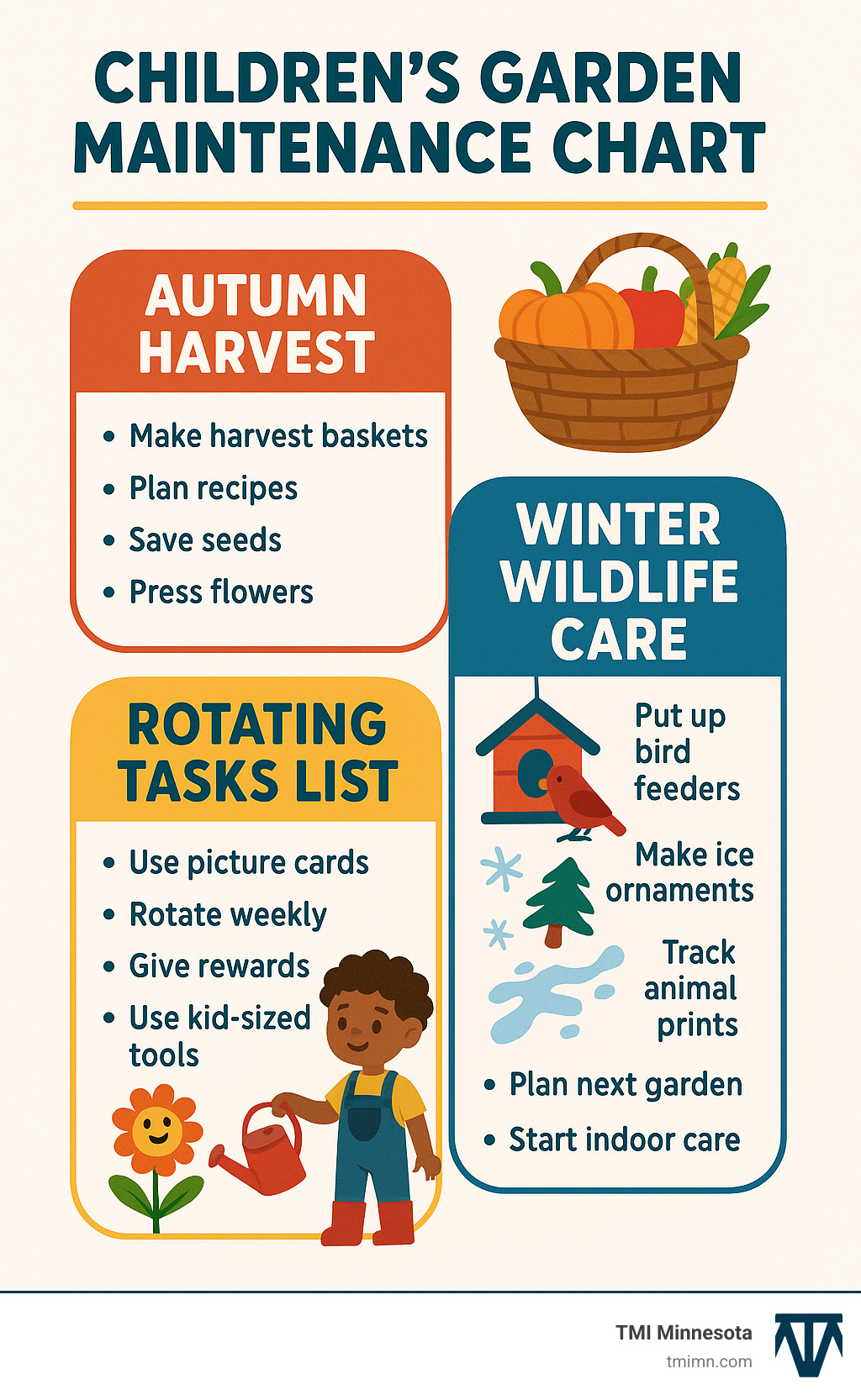
At TMI Minnesota, we’ve found that families who accept all four seasons in their children’s garden design ideas create deeper connections to their outdoor spaces. By building garden activities into your family’s routine and connecting them to seasonal celebrations, you help children develop a rich understanding of natural cycles while creating year-round opportunities for outdoor engagement.
Frequently Asked Questions about Designing Kids’ Gardens
Why is garden play better than indoor screens?
When children step outside into a garden, something magical happens. Unlike the flat, two-dimensional experience of screens, gardens engage all five senses at once. The feel of soil between little fingers, the sweet scent of flowers, the taste of a just-picked strawberry – these experiences create neural connections that digital play simply cannot match.
Parents often tell us they notice immediate changes in their children’s behavior outdoors. Kids who might struggle to focus on homework for 15 minutes will spend an hour completely absorbed in examining a caterpillar or building a twig fort. This isn’t coincidental. Research consistently shows that garden play significantly improves physical coordination, problem-solving abilities, attention span, emotional regulation, and social skills.
Perhaps most importantly, garden time helps children develop a relationship with the natural world. In our Minnesota communities, where winter can keep us indoors for months, creating that connection during the growing season is especially valuable. While screens certainly have their place in learning, they simply cannot replicate the whole-body, multisensory experience of a well-designed garden.
How do I keep a children’s garden safe for toddlers?
Creating a toddler-safe garden starts with understanding how these curious explorers interact with their world – often mouth-first! Safety doesn’t mean eliminating trip, but rather thoughtfully designing spaces where findy can happen confidently.
Plant selection is your first priority. Eliminate all toxic plants from toddler-accessible areas, no exceptions. Even with supervision, curious little ones explore with their mouths, so it’s simply not worth the risk. Instead, focus on sturdy, sensory-rich plants like lamb’s ears (touchably soft) or mint (wonderfully fragrant when brushed against).
Clear boundaries help toddlers understand their play space. Use physical indicators like low fencing, changes in ground material, or defined pathways. At TMI Minnesota, we often create “toddler zones” with special elements like smooth stepping stones or sensory plants that naturally draw young children to safe areas.
Visibility is essential for caregivers. Design your space with sightlines in mind, ensuring adults can see all areas from comfortable seating positions. Eliminate blind spots and create gathering spaces where adults can relax while maintaining supervision.
Other toddler-specific considerations include providing ample shade, keeping water features extremely shallow (under 2 inches) or using covered water tables, choosing rounded edges on all hardscape elements, and selecting non-toxic materials throughout the garden.
Toddler gardens should emphasize simple cause-and-effect activities and sensory exploration rather than complex growing projects. A successful toddler garden invites touch, movement, and findy while keeping little triprs safely within boundaries.
What plants grow fastest for impatient kids?
Nothing tests a child’s patience quite like waiting for seeds to sprout! Fortunately, several garden favorites offer nearly instant gratification, helping maintain enthusiasm during those critical early weeks.
Radishes are the speed champions of the vegetable world, changing from seed to harvest in just 3-4 weeks. Their large seeds are easy for small hands to plant, and kids are delighted by pulling these colorful roots from the soil. Lettuce and other leafy greens follow close behind, with baby leaves ready for tiny harvests in about a month.
For indoor excitement, try bean sprouts in a jar with a mesh lid. Children can observe visible growth within 24 hours, providing almost magical results. Similarly, sunflower sprouts germinate in days and can be eaten as tasty microgreens – perfect for impatient young gardeners.
Flowers matter too! Nasturtiums not only grow quickly but produce edible, peppery blooms that children love to add to salads. Zinnias reliably sprint from seed to flower in Minnesota summers, attracting butterflies that add another layer of garden excitement.
For the most impatient gardeners, we recommend the “salad table” approach – growing shallow-rooted greens in a raised frame with hardware cloth and a thin layer of soil. This method produces harvestable greens in minimal time while giving children the satisfaction of growing their own food.
At TMI Minnesota, we’ve found that mixing quick-growing plants with longer-term projects helps maintain interest throughout the season. When designing your children’s garden, include some instant-gratification plants alongside those that require more patience – just like life itself, gardens teach us that good things come to those who wait!
Conclusion
There’s something magical about watching a child’s face light up as they find a butterfly landing on a flower they planted, or seeing their pride when they harvest their first cherry tomato. Creating a children’s garden isn’t just another landscaping project—it’s an investment in childhood wonder and family connection that yields returns far beyond the growing season.
The children’s garden design ideas we’ve shared throughout this guide can transform any outdoor space—whether you have acres of land or just a small balcony. What matters most isn’t the size of your space but the thoughtfulness behind its design. When we create gardens that invite exploration, spark curiosity, and engage all the senses, we’re planting seeds of lifelong learning alongside the sunflowers and strawberries.
Children who grow up with their hands in the soil develop a natural understanding of environmental cycles and a deep-rooted connection to the natural world. They learn patience watching seeds sprout, responsibility caring for living things, and resilience when plants face challenges. These lessons unfold naturally through play and exploration, without a single worksheet or test.
Here in Minnesota, we understand the unique challenges of gardening with our distinctive seasons and climate patterns. At TMI Minnesota, we specialize in creating outdoor spaces that not only withstand our weather extremes but actually celebrate the changing seasons with features that engage children year-round. Our team brings together horticultural expertise with a genuine understanding of how children interact with outdoor spaces.
We believe that the most successful children’s gardens grow alongside the children themselves, evolving as interests develop and abilities change. From initial design consultations where we listen to your family’s unique needs, through installation that respects your property and budget, to ongoing support as your garden matures—we’re committed to helping your outdoor dreams take root.
The memories created in a thoughtfully designed children’s garden—fairy houses built after summer rainstorms, pumpkins harvested for Halloween, bird nests finded in spring—become touchstones of childhood that children carry into adulthood. These experiences shape not just how children play, but how they understand their place in the natural world.
Ready to transform your yard into a magical space where imagination flourishes alongside the flowers? Contact us to discuss how we can help create an outdoor environment that will foster wonder, learning, and joy for years to come. And for families balancing the needs of both children and four-legged friends, ask about our pet-friendly turf options that stand up to enthusiastic play from kids and pets alike.
The garden of curiosity you plant today will blossom into a lifetime of environmental connection, scientific thinking, and joyful outdoor memories. Let’s dig in and start growing together!