
Why Eco-Friendly Landscape Design Matters for Minnesota Homeowners
Eco-friendly landscape design is a method of creating outdoor spaces that work with nature instead of against it. This approach uses sustainable practices to reduce water consumption, eliminate harmful chemicals, and support local wildlife while creating beautiful, low-maintenance gardens.
Key Elements of Eco-Friendly Landscape Design:
- Native plants adapted to Minnesota’s climate
- Water conservation through rain gardens and efficient irrigation
- Sustainable materials like permeable pavers and recycled stone
- Wildlife habitat creation for birds, bees, and butterflies
- Soil health improvement through composting and organic methods
- Reduced maintenance with plants that naturally thrive in your area
Traditional landscaping often depends on resource-heavy practices like excessive watering, chemical fertilizers, and non-native plants that struggle in Minnesota’s climate. As one landscape designer noted, “Where people once may have opted for expansive, resource-heavy, time-consuming garden-scapes, they are now actively seeking landscape designs that are ecologically responsible and sustainable.”
The benefits extend far beyond environmental impact. Sustainable landscapes are easier to maintain, more cost-effective over time, and create healthier outdoor spaces for your family. Nearly 70 percent of water pollution comes from stormwater runoff, with half of that pollution originating from chemicals used in yards and homes.
I’m Christopher Deanovic, Operations Leader of Task Masters, where I’ve spent years helping Minnesota homeowners transform their outdoor spaces using sustainable practices. My experience in eco-friendly landscape design has shown me that the most beautiful gardens are often those that work harmoniously with our state’s natural systems, creating spaces that improve both your lifestyle and the local environment.
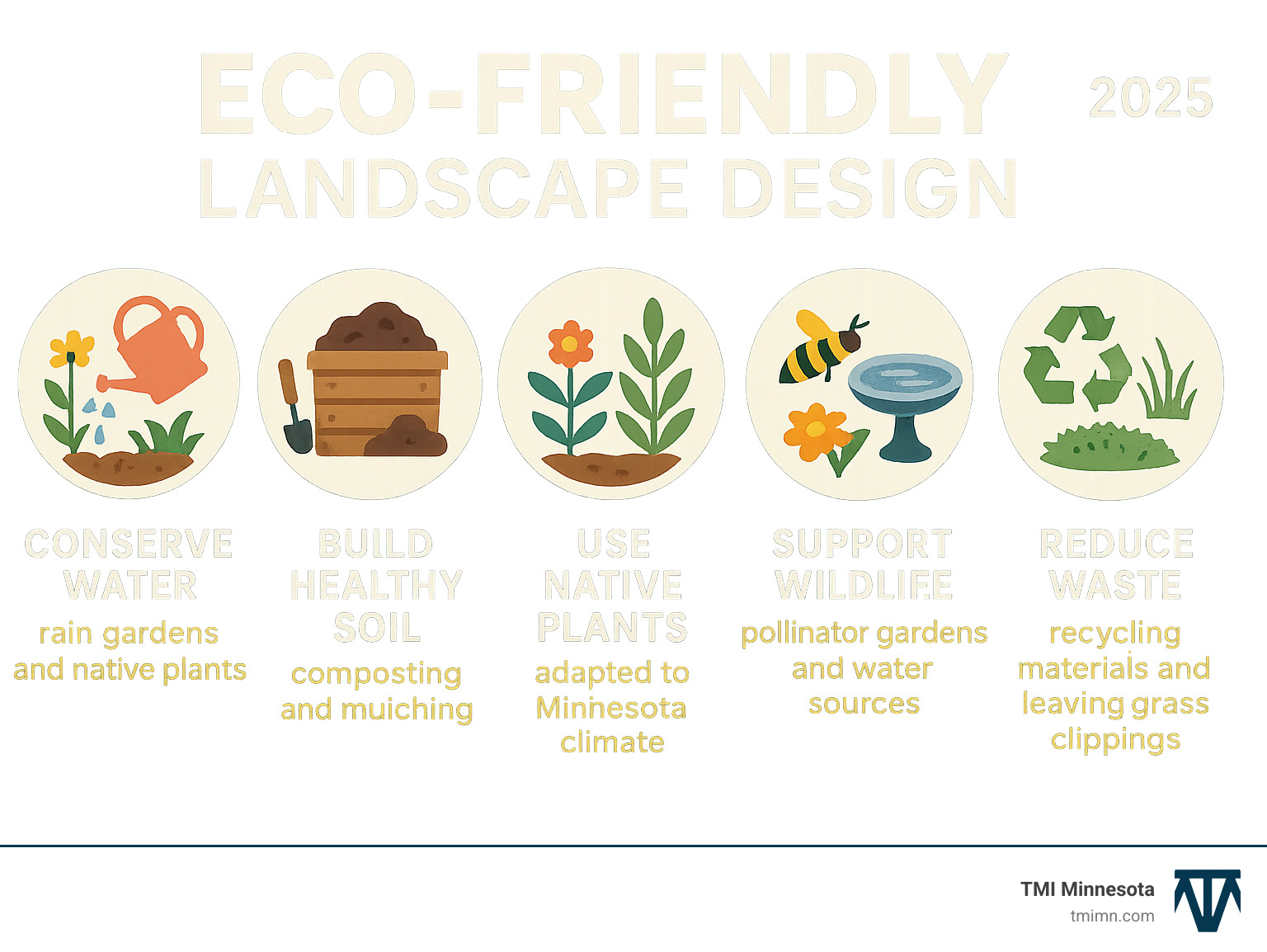
Key terms for Eco-friendly landscape design:
The Core Principles of Sustainable Landscaping
Here at TMI Minnesota, we truly believe that choosing sustainable landscaping isn’t just about following a trend. It’s a smart, responsible, and incredibly rewarding way to make your outdoor space shine! Think of it as finding that perfect balance: a beautiful yard for you and a happy, healthy home for our local ecosystem.
What is Eco-Friendly Landscape Design?
So, what exactly is eco-friendly landscape design? Simply put, it’s about working with nature, not trying to force it into something it’s not. We design, create, and care for your landscape in a way that uses fewer resources while giving you amazing ecological benefits. This means you’ll use less water, fewer harsh chemicals, and spend less time on upkeep. Plus, you’ll be helping local wildlife and saving money – a true win-win!
Traditional landscaping often uses a lot of resources. Think of all that heavy watering, chemical fertilizers, and plants that just don’t belong in Minnesota’s climate. But sustainable design is different! It accepts efficiency and caring for our planet. As experts, we’ve seen how much easier and more affordable sustainable landscaping can be in the long run. We design landscapes that help you save on water bills and maintenance. They also cut down on pollution in our air, soil, and water. The result? Beautiful, healthy spaces that welcome both your family and local wildlife. It’s truly good for your home and great for your environment!
Building Healthy Soil and Reducing Waste
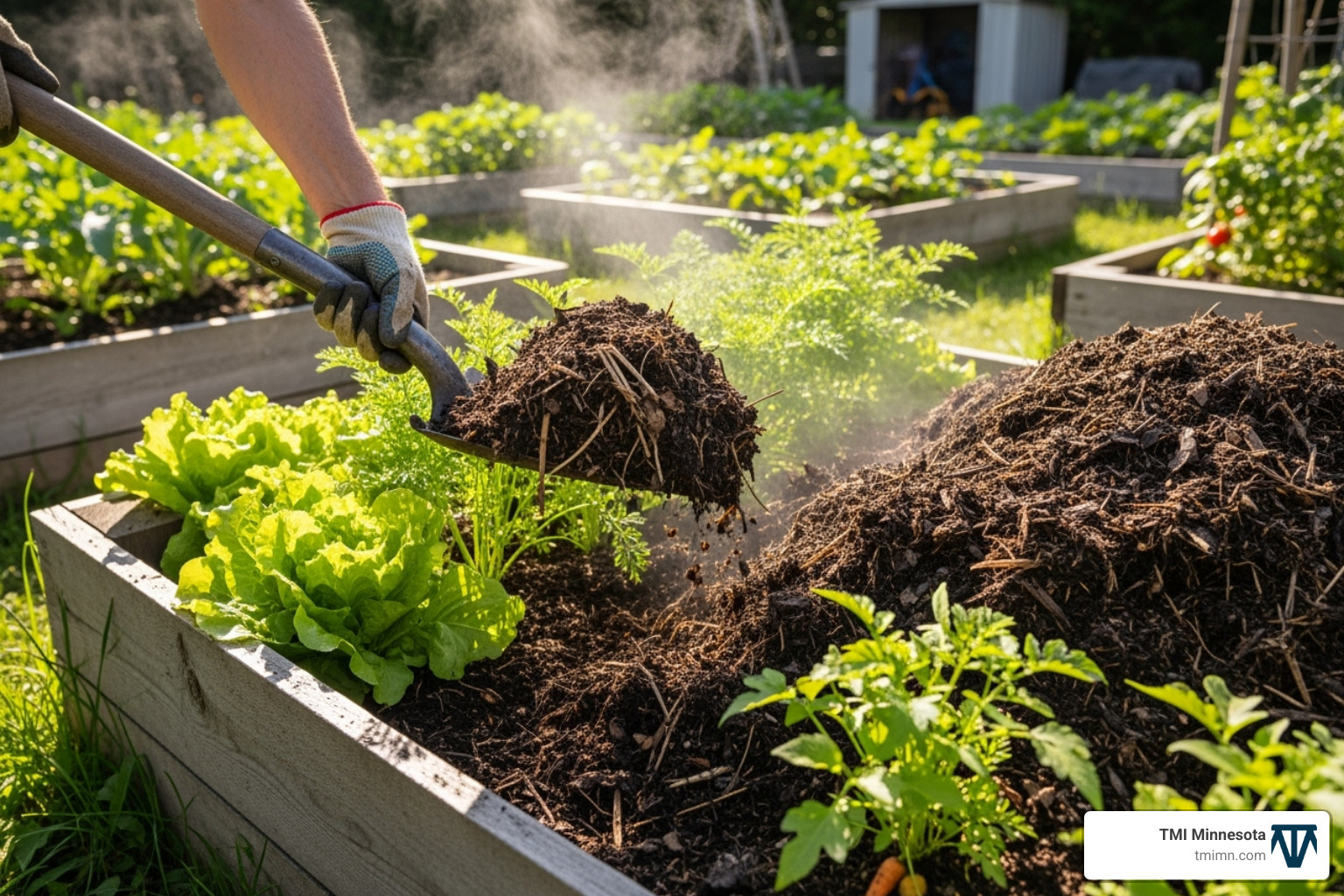
Think of healthy soil as the secret ingredient for any truly beautiful and sustainable yard. It’s where all the magic starts, helping your plants grow strong and vibrant without needing too much help from you. One of our favorite ways to build amazing soil is by composting. You just take organic waste – like kitchen scraps and yard trimmings – and let nature turn it into super-rich soil food. When you add this compost to your garden beds, it makes the soil better at holding water and nutrients. This means your plants are happier, and you won’t need as many chemical fertilizers.
We’re also big fans of smart mulching. Just spread a layer of organic mulch around your plants. This helps the soil stay moist, keeps its temperature steady, and even stops those pesky weeds from growing. All this means you’ll water less and use fewer weed killers! And here’s a super easy trick: after you mow, just leave your grass clippings right there on the lawn. They break down fast, giving valuable nutrients back to your soil. It’s like a free, natural fertilizer! No bagging, no waste, and your lawn will thank you.
To really cut back on chemicals, we always suggest starting with a soil test. This simple step helps us understand exactly what your soil needs. That way, we can avoid giving it too much fertilizer or chemicals it doesn’t even need. Did you know that almost 70% of water pollution comes from stormwater runoff, and half of that comes from chemicals used in yards? By choosing organic methods and using fewer chemicals, we can all help protect Minnesota’s beautiful waterways.
Reducing waste goes further than just what we put in the soil. We also encourage you to recycle plastic garden pots and trays whenever you can. And if you’re buying mulch, consider getting it in bulk to cut down on plastic bag waste. Every small effort adds up! Want to learn more about creating vibrant, healthy plant beds? Check out our softscape services!
Choosing Plants for Your Eco-Friendly Landscape Design
When you’re thinking about eco-friendly landscape design here in the Twin Cities, choosing the right plants is super important. Our main idea at TMI Minnesota is to use plants that are just perfect for our local climate and soil. And that means: native plants!
Native plants are truly the backbone of a sustainable yard. Since they’ve grown up right here in Minnesota, they’re perfectly used to our weather. This means they need way less water, fertilizer, and pest control. For you, that translates to less work and lower bills – hooray! But it’s not just about easy care. Native plants are also incredibly important for our local wildlife. They offer vital food and homes for busy pollinators like bees and butterflies, plus birds and other helpful critters. By choosing native, you’re boosting biodiversity, helping clean our air by absorbing carbon dioxide, and even producing oxygen.
Some people worry that native gardens aren’t as pretty or interesting. But that’s just not true! Many native plants are absolutely beautiful all year long. You’ll see vibrant blooms in spring and summer, stunning colorful leaves in the fall, and interesting textures or evergreen plants that look great even in winter. We can help you pick plants that keep your yard looking fantastic through every season.
If your yard gets dry spells, drought-tolerant plants are a fantastic option. These are often part of something called ‘xeriscaping.’ Once they’re settled in, these plants need very little extra water, which saves this precious resource. It’s also super important to avoid invasive species. Even if they’re native somewhere else, they can quickly take over and hurt our local Minnesota ecosystems. We make sure to pick only plants that are truly helpful, not harmful.
Did you know that planting trees smartly can even help with your home’s energy bill? If you plant deciduous trees (the kind that lose their leaves) on the south and west sides of your house, they’ll give you wonderful shade in the summer. This can lower your air conditioning costs! Then, in winter, once their leaves fall, they let the warm sunlight through. And for folks who love to pick fresh goodies from their yard, adding edible plants or trying out some herb garden ideas can make your landscape even more sustainable and enjoyable!

You can find more details about great native plant choices by looking at resources like the Gardening with Native Plants in the Lower Mainland and Fraser Valley guide. And if you’re ready to bring the long-lasting beauty and environmental perks of trees to your property, don’t forget we offer full tree planting services!
Smart Water Management Techniques
Water is such a precious resource, isn’t it? Especially here in Minnesota, where our beautiful lakes and rivers are central to our way of life. That’s why smart water management is a cornerstone of eco-friendly landscape design. It helps us create stunning outdoor spaces while being incredibly mindful of our water usage. It’s all about working with nature to keep our yards lush and our environment healthy.
Harvesting and Conserving Water
One of the neatest tricks in the book for saving water is rainwater harvesting. Imagine collecting all that free water that falls on your roof! Simple rain barrels, placed under your downspouts, can capture hundreds of gallons of clean, chemical-free water. This water is perfect for your garden beds and potted plants. For bigger yards or those who want to save even more, larger cisterns can be installed to store a significant supply.
Beyond just collecting rain, how we deliver water to our plants makes a huge difference. Drip irrigation systems are fantastic because they deliver water right to the plant’s roots, slowly and steadily. This means less water is wasted to evaporation or runoff, often cutting water use by up to 60% compared to traditional sprinklers. We also love smart irrigation controllers. These clever devices check local weather forecasts and soil moisture levels. Your plants only get watered when they truly need it, saving you water and money!
Think about your lawn for a moment. Traditional grass lawns can be incredibly thirsty, especially during Minnesota’s dry spells. A smart water-saving strategy is to reduce the size of your lawn. You can replace parts of it with beautiful gardens filled with drought-tolerant plants or even permeable patios. This approach, often called xeriscaping, focuses on designing landscapes that thrive with very little extra water once established. It means less mowing for you and a lot less water used! You can explore more about smart ways to save water with our drought-resistant landscaping ideas and comprehensive landscape irrigation solutions.

Managing Stormwater Runoff Naturally
Have you ever noticed how quickly rain can turn into rushing water, carrying leaves and debris? This is stormwater runoff, and it’s a big deal. It can pick up pollutants from our properties and carry them straight into our precious streams, rivers, and lakes. But don’t worry, eco-friendly landscape design offers some beautiful and natural ways to manage this right in your own yard!
Rain gardens are an amazing solution. These are shallow, bowl-shaped garden beds designed to capture rainwater from your roof or driveway. Filled with lovely native plants, they allow the water to slowly soak into the ground, filtering out pollutants and recharging our groundwater. Plus, they look gorgeous and create welcoming spots for local birds and butterflies! Similar to rain gardens are bioswales. These are long, narrow, vegetated channels that gently guide and filter stormwater as it moves across your property. You can learn more about how these natural filters work by exploring bioswales.
Another smart choice is using permeable surfaces for your driveways, patios, and walkways. Unlike traditional concrete or asphalt, materials like permeable pavers, gravel, or special permeable concrete allow rainwater to seep right through them and into the soil below. This not only reduces runoff but also helps prevent soil erosion. We also use natural ways to control erosion, like planting groundcovers or plants with strong, shallow root systems. These plants act like nature’s glue, holding the soil in place. By choosing these solutions, we transform potential water problems into functional, beautiful elements that boost your home’s appeal and help the environment. Want to see more innovative ways water can improve your landscape? Check out our water feature installations.
Sustainable Materials and Wildlife Habitats
Creating a truly eco-friendly landscape design goes beyond just choosing the right plants and managing water. It also involves thinking about the very bones of your outdoor space – the materials you use – and how you can invite more wonderful wildlife to share your yard.
Selecting Eco-Friendly Hardscape Materials
Hardscaping elements, like your patio, walkways, or even your driveway, form the sturdy foundation of your outdoor living area. When we design and install these features, we put a lot of thought into choosing materials that are kind to our planet. It’s all about minimizing our environmental footprint!
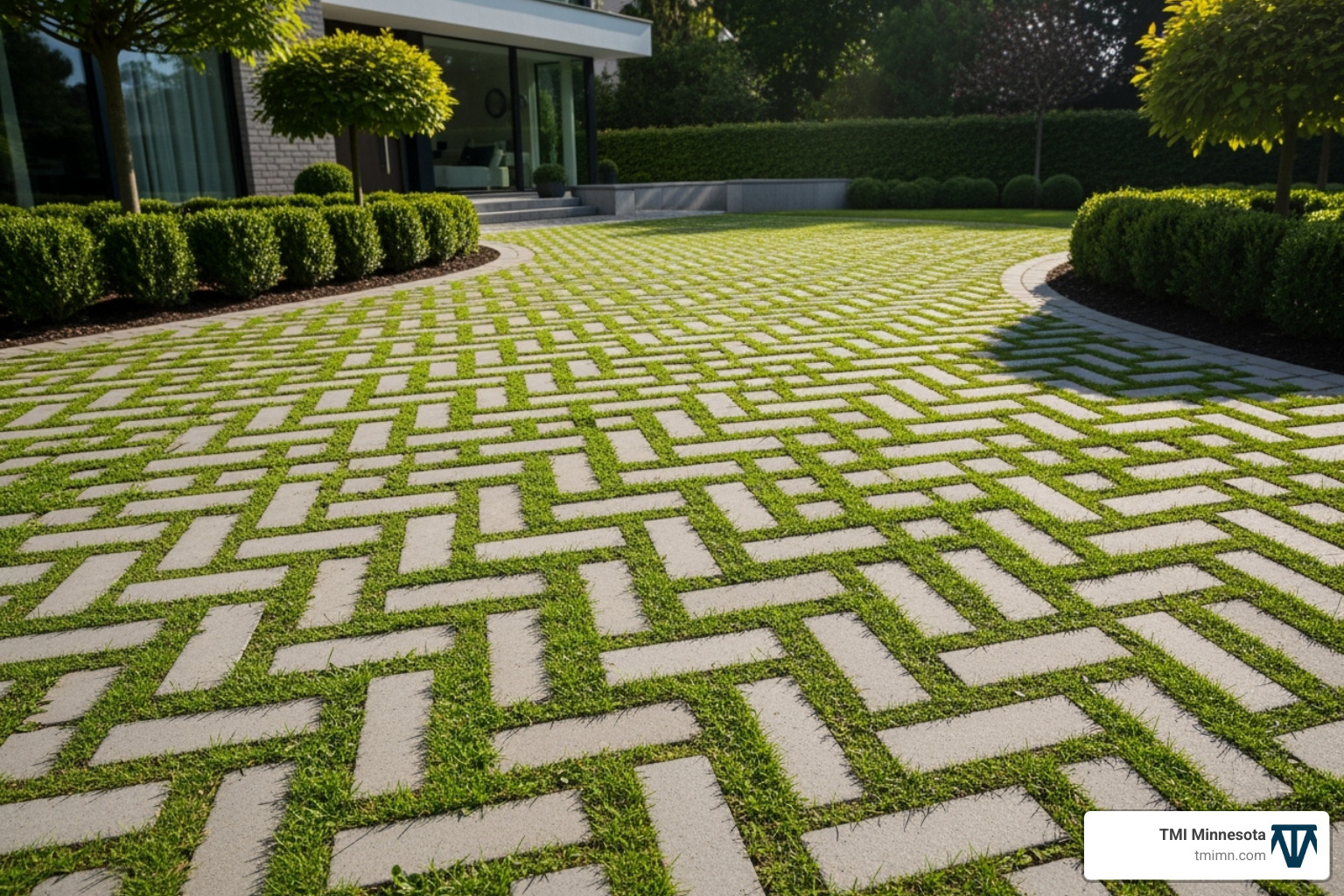
A top choice for driveways and patios, especially here in the Twin Cities, is permeable pavers. Unlike traditional solid surfaces that send rainwater rushing away, permeable pavers have clever gaps that let water filter right through into the ground below. This helps recharge our precious groundwater, eases the burden on city storm drains, and even helps prevent soil erosion. It’s a win-win for both your yard and the environment!
We also love to incorporate recycled and reclaimed materials whenever we can. Imagine reusing old bricks from your property or finding beautiful reclaimed wood for a new deck or fence. Not only does this reduce waste, but it also adds a unique story and charm to your landscape that you just can’t get with new materials. Plus, choosing locally sourced stone and aggregates means less energy is spent on transportation. For example, making new concrete can be quite wasteful, so we often look for ways to use less of it. Instead, we might suggest materials like decomposed granite (DG) or pea gravel for paths and patios, or even innovative permeable concrete where it makes sense. These smart choices help us create stunning outdoor spaces that are also incredibly responsible. While we’re talking hardscapes, these elements seamlessly blend with our lush softscape installations for a truly cohesive and sustainable outdoor haven.
Creating a Backyard Wildlife Sanctuary
One of the most heartwarming parts of eco-friendly landscape design is changing your backyard into a lively sanctuary for local wildlife. Your outdoor space can become a vital haven, boosting local biodiversity and bringing the magic of nature right to your doorstep. It’s pretty amazing to watch!
To welcome wildlife, we focus on providing the three essentials they need: food, water, and shelter. Here’s how we help you do it:
First, let’s talk about Pollinator Plants. Planting a colorful variety of native flowers, shrubs, and trees is absolutely crucial. These provide delicious nectar and pollen for bees, butterflies, and other helpful insects. These tiny creatures are the very base of the food chain! Many native plants also offer tasty berries or seeds for birds and small mammals, ensuring there’s food available year-round.
Next, every living creature needs Water Sources. Even a simple bird bath, a shallow dish, or a charming small backyard pond can be a lifesaver for birds, insects, and other thirsty critters. We’re happy to help with backyard pond installations that not only look beautiful but also significantly boost your yard’s biodiversity.
Then there’s Shelter. Consider leaving small brush piles or log piles in a quiet corner of your yard. These provide safe havens for beneficial insects, amphibians, and even small mammals. Strategically placed native shrubs and evergreen trees also offer year-round cover and perfect spots for birds to build their nests.
Finally, and perhaps most importantly, is Avoiding Pesticides. Chemical pesticides and herbicides can tragically harm or kill the very insects and other creatures you’re trying to attract. They disrupt the delicate balance of your garden’s ecosystem. By choosing organic pest management, you ensure a safe and truly healthy environment for everyone – from the smallest bug to your beloved family.
By weaving these elements into your landscape, your yard becomes so much more than just a space. It transforms into a vibrant, living ecosystem, contributing to a healthier planet, one garden at a time.
Frequently Asked Questions about Eco-Friendly Landscaping
As Minnesota homeowners become more interested in sustainable outdoor spaces, we get asked the same thoughtful questions over and over. I love these conversations because they show how much people care about making smart choices for their families and the environment. Let me share the answers to the questions we hear most often.
Is sustainable landscaping more expensive than traditional landscaping?
Here’s the honest truth: eco-friendly landscape design can cost a bit more upfront, but it’s one of the smartest investments you can make for your property. Think of it like buying a quality appliance – you pay more initially, but it saves you money for years to come.
The initial investment might be higher when choosing permeable pavers over standard concrete or selecting mature native plants over cheaper non-native options. But here’s where the magic happens: your reduced water bills start showing up almost immediately. Native plants and efficient irrigation systems can cut your landscape water use by 20% or more, which adds up to real savings on your monthly utility bills.
The lower maintenance costs are equally impressive. Native plants don’t need the constant babying that exotic plants require. They’re tough, resilient, and designed to thrive in Minnesota’s climate without expensive fertilizers, pesticides, or frequent replacements. You’ll spend less on chemical inputs and either save money on professional maintenance or get your weekends back.
Over the lifetime of your landscape, sustainable choices typically cost significantly less than traditional approaches. Plus, you’re investing in something that increases your property value while protecting the environment. It’s a win-win that keeps paying dividends.
How can I reduce lawn mower emissions and noise?
This question comes up a lot, especially from homeowners who want to be good neighbors while reducing their environmental impact. Gas-powered mowers are surprisingly big polluters – they contribute significantly to smog and greenhouse gas emissions. The good news is there are several practical solutions that work great in Minnesota.
Electric mowers are game-changers. They’re quieter, produce zero direct emissions in your yard, and require much less maintenance than gas mowers. The technology has improved dramatically, and many electric models now handle even larger lawns with ease.
For smaller properties, reel mowers offer the ultimate eco-friendly solution. They’re completely emissions-free, whisper-quiet, and give you a bit of exercise. Many homeowners are surprised by how satisfying it is to use quality hand tools for trimming and edging too.
But here’s my favorite strategy: reducing lawn area altogether. When you replace sections of thirsty, high-maintenance turf with native plant gardens or attractive hardscaping, you simply have less to mow. This dramatically reduces emissions while creating more interesting and beautiful outdoor spaces.
When you do mow, try mowing less frequently and keeping your grass at least 3 inches tall. Taller grass naturally crowds out weeds and retains moisture better, meaning fewer mowing sessions and healthier turf that requires less water and fertilizer.
My new native garden looks sparse. Is this normal?
I get this question every single season, and I always reassure homeowners that yes, this is completely normal and actually a sign that your garden was designed correctly! Eco-friendly landscape design requires a different mindset than traditional gardening, and patience is definitely part of the process.
When we install native gardens, we space plants according to their mature size, not their current size. If we planted them close together for immediate fullness, they’d quickly become overcrowded and start competing for resources. Native plants need room to develop the deep, extensive root systems that make them so drought-tolerant and resilient.
Plant maturation time is nature’s way of building strength. During their first two years, native plants are busy establishing those crucial root systems rather than putting all their energy into top growth. Once established, they’ll fill in beautifully and become the low-maintenance powerhouses you’re hoping for.
Many native plants are also excellent at self-seeding and spreading naturally. Over time, you’ll notice gaps filling in as plants reproduce and expand. This creates the natural, flowing look that makes native gardens so appealing and supports local wildlife.
I always tell my clients that native gardens are like fine wine – they get better with age. The sparse look you’re seeing now will transform into a lush, vibrant ecosystem that requires minimal care while providing maximum beauty. Trust the process, and enjoy watching your garden mature into something truly special.
Start Your Sustainable Landscape Change
You’ve learned so much about eco-friendly landscape design! It’s clear that embracing this approach is a wonderful way to boost your home’s beauty and reduce your environmental footprint. Imagine a healthier, more peaceful outdoor space that’s also easier to manage. Every single step, from saving water and building rich soil to inviting playful wildlife and choosing smart, sustainable materials, helps create a greener future for us all.
At TMI Minnesota, we’re genuinely passionate about helping homeowners like you in the Twin Cities. We love changing outdoor spaces with unique designs and using leading-edge products that truly lift your yard living. We firmly believe you don’t have to choose between having a gorgeous yard and a healthy planet – you absolutely can have both! Our expertise in both hardscape and softscape installations means we can create a cohesive, sustainable, and stunning result that you’ll cherish for many years to come.
Ready to make a real difference, right in your own backyard? Let’s work together to design a landscape that works perfectly for you and beautifully with nature.