
Why Perfect Garden Edges Transform Your Outdoor Space
Garden border ideas can dramatically transform your yard from ordinary to extraordinary. Whether you’re looking for natural stone elegance, budget-friendly recycled materials, or low-maintenance metal edging, the right border creates clean lines while solving practical problems.
Quick Garden Border Solutions:
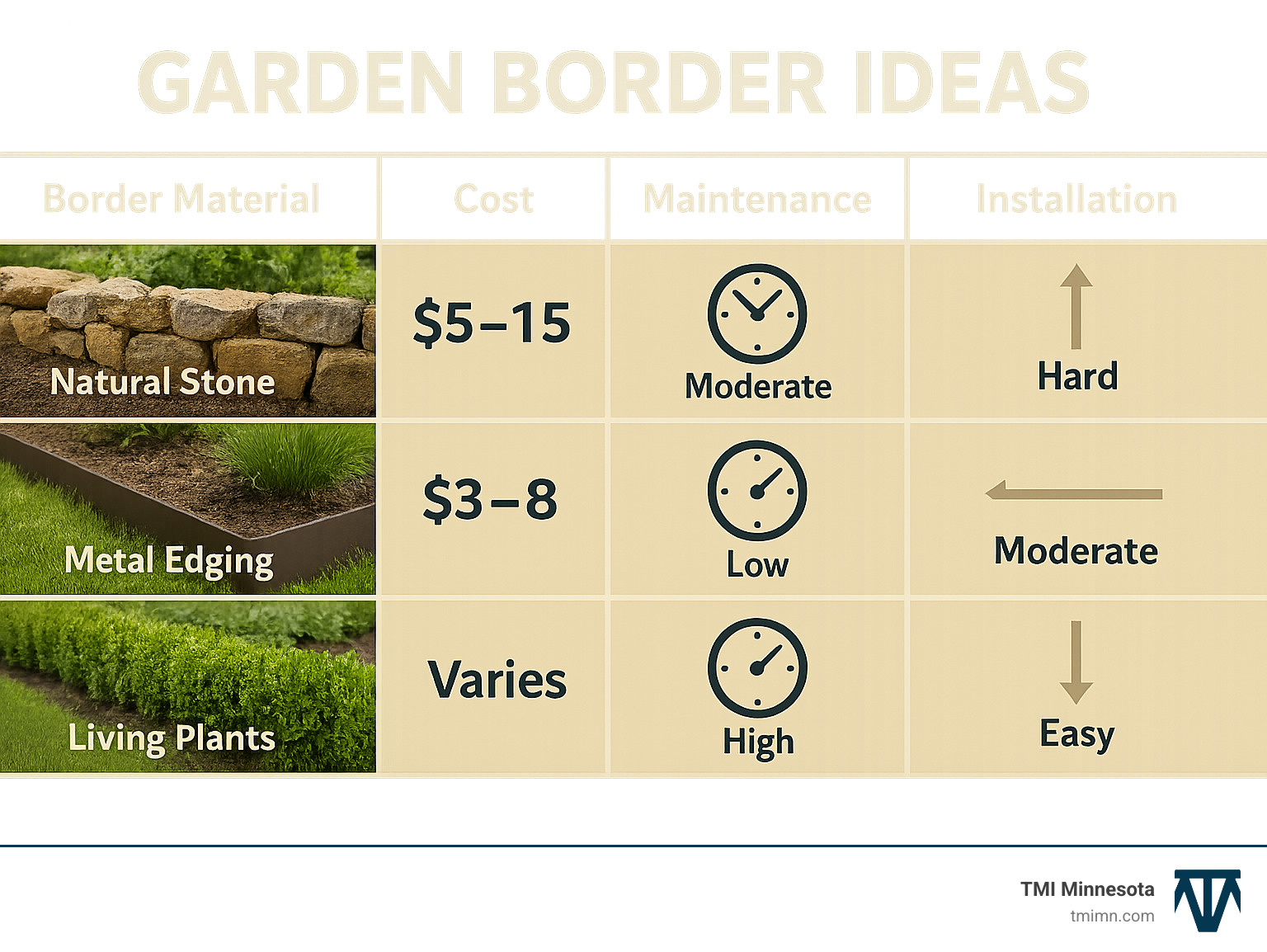
• Natural Materials: Stone, brick, logs ($5-15 per linear foot)
• Metal Edging: Steel, aluminum strips ($3-8 per linear foot)
• Budget Options: Recycled bottles, pallet wood, plastic ($1-5 per linear foot)
• Living Borders: Boxwood, lavender, creeping thyme (varies by plant)
• Low-Maintenance: Rubber, composite, metal (70% less upkeep)
Garden borders do more than look pretty. They reduce trimming and weeding time by up to 50%, keep mulch contained, prevent grass invasion, and create defined outdoor “rooms” for your family gatherings. Think of them as the baseboards of your landscape – they tie everything together while making maintenance easier.
The key is matching your border choice to your lifestyle, budget, and garden style. A busy parent needs different solutions than someone who loves weekend garden projects.
I’m Christopher Deanovic, Operations Leader at Task Masters, where I’ve spent years helping Minnesota homeowners create stunning outdoor spaces through thoughtful landscape design and expert hardscape installation. My experience with garden border ideas has shown me that the right edging transforms both the look and functionality of any yard, making outdoor spaces more enjoyable for families like yours.
Handy Garden border ideas terms:
– Landscape lighting ideas
– Hardscape design services
– Tree planting services
Why Borders Matter: Beauty, Order & Practical Perks
Think of garden borders as the hardworking backbone of your landscape. They look great, but they’re actually solving problems you deal with every weekend. Garden border ideas that work well can reduce your trimming and weeding time by up to 50%. That’s more time for grilling burgers and less time crawling around flower beds with hand shears.
Here’s what’s really happening when you install proper edging. Those borders act like tiny bouncers, keeping weeds from crashing your garden party. They create a physical barrier that stops unwanted plants from spreading between your lawn and flower beds. No more dandelions staging a hostile takeover of your prize roses.
Borders also keep your mulch where it belongs. During Minnesota’s notorious summer downpours, well-installed edging prevents expensive mulch from washing onto your driveway or sidewalk. Your decorative materials stay put, and you’re not out there with a rake after every storm.
The weed suppression benefit alone makes borders worth considering. They create root barriers that prevent aggressive lawn grasses from sneaking into your flower beds. If you’ve ever battled quackgrass (and who in Minnesota hasn’t?), you know how valuable this containment can be. Clean mowing strips mean you can actually enjoy cutting grass instead of playing precision trimmer games around every plant.
From a design standpoint, borders create landscape zones that break up boring expanses of lawn. They guide your eye through the garden and establish visual focal points that make your whole yard look more intentional. Scientific research on low-maintenance landscapes confirms that well-defined borders boost property values while cutting long-term maintenance costs.
Benefits Snapshot
Clean lines transform amateur-looking yards into polished landscapes that neighbors notice. Your entire outdoor space appears more professional and thoughtfully designed.
Visual focal points created by strategic border placement draw attention to your best plantings. They create interesting sight lines that make even small yards feel larger and more dynamic.
Habitat creation happens naturally when you choose living borders with native plants. These borders provide food and shelter for beneficial insects, birds, and pollinators – supporting Minnesota’s local ecosystem while adding natural beauty.
Property value boost comes from the curb appeal that well-maintained borders provide. Potential buyers immediately recognize that the property has been cared for, contributing to overall market value and first impressions.
Top Garden Border Ideas & Materials
When you’re exploring garden border ideas, the sheer variety of materials can feel overwhelming at first. But here’s the good news: this abundance means you’ll find exactly what works for your yard, your budget, and your lifestyle.
I’ve watched homeowners transform their landscapes with everything from neat natural stone to surprisingly durable recycled rubber. The secret isn’t finding the “perfect” material – it’s finding the perfect material for you.
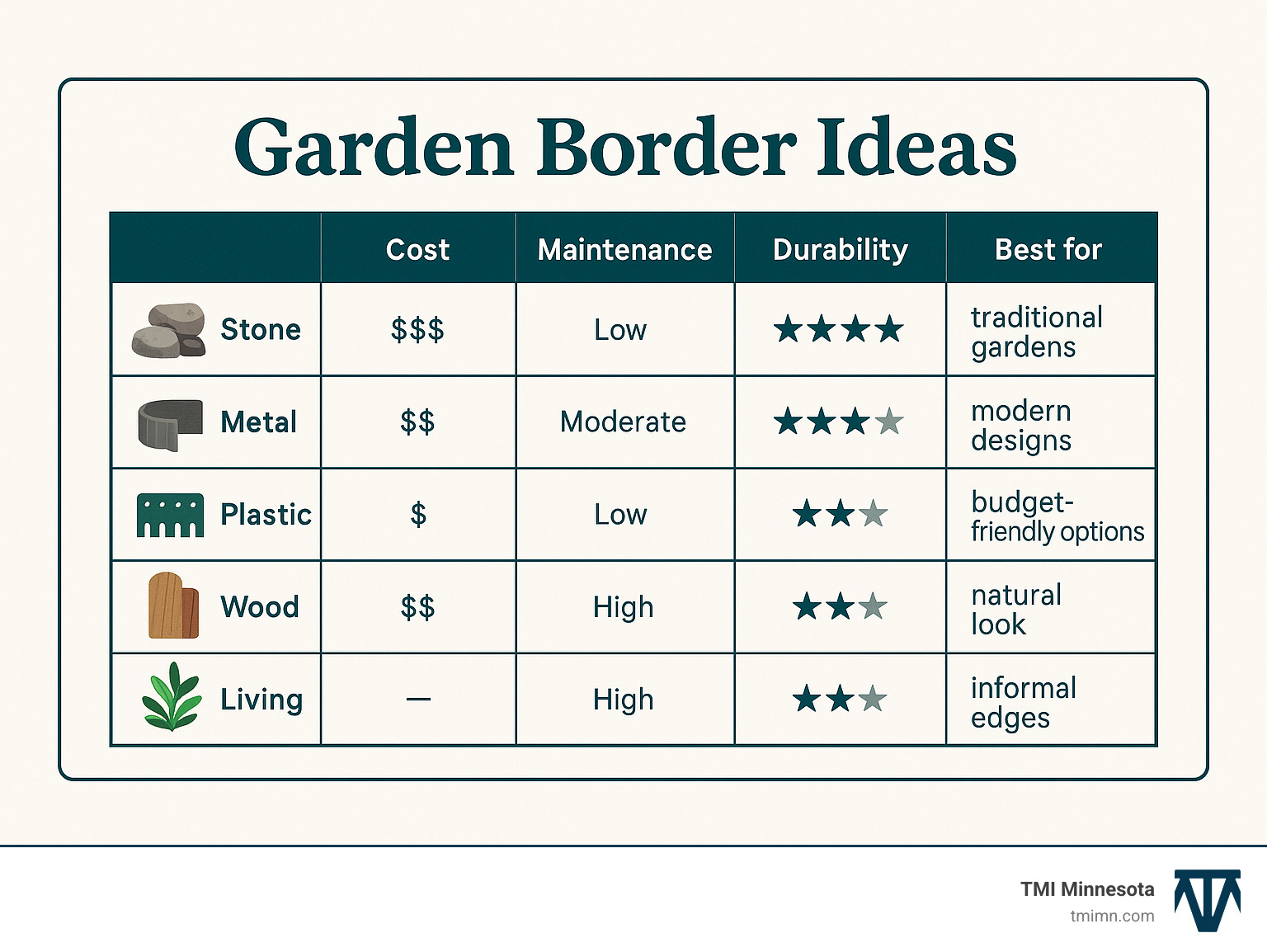
Natural materials like stone and brick bring timeless beauty but require a bigger upfront investment, typically running $5-15 per linear foot. They’re the marathon runners of edging – built to last 20 years or more with proper installation. Metal edging offers that sweet spot of durability and affordability at $3-8 per linear foot, while budget-friendly options like plastic and recycled materials can get you started for under $2 per linear foot.
Here’s something that might surprise you: there are over 588 different landscape edging products available at major retailers today. That’s a lot of choices, but it also means you’re not stuck settling for something that’s “close enough.”
Durability varies dramatically depending on what you choose. Concrete, brick, and stone borders are the workhorses that keep going for decades. Recycled rubber edging, made from old tires, is nearly indestructible – it laughs at Minnesota’s freeze-thaw cycles and keeps looking good year after year. Metal options strike an excellent balance between longevity and cost, while wood gives you natural beauty in exchange for occasional maintenance.
Hardscape Heroes
Natural stone remains the gold standard for a reason. Whether you choose flagstone, limestone, or granite, you’re investing in borders that will outlast your mortgage. Stone handles our Minnesota winters like a champ, shrugging off those brutal freeze-thaw cycles that destroy lesser materials. The installation does require careful attention to drainage and a proper base, but the results speak for themselves.
Concrete pavers give you the sophisticated look of natural stone without the premium price tag. Today’s pavers come in an amazing array of colors and textures – you can easily match existing walkways or patios. They’re also more forgiving to install than natural stone, and if one gets damaged, you can swap it out without redoing the entire border.
Corten steel has become the darling of modern landscape design, and for good reason. This weathering steel develops a gorgeous rust patina that actually protects the metal underneath. It creates razor-sharp lines that make plantings pop, and once it’s in, you can basically forget about it – zero maintenance required.
Gabion walls might sound fancy, but they’re simply wire cages filled with rocks. They create a contemporary, industrial look while handling drainage and erosion like pros. They’re particularly brilliant for slopes, and you can fill them with local stone for an eco-friendly touch.
Rustic logs bring that cottage garden charm that never goes out of style. They follow curves naturally and blend seamlessly into woodland settings. Perfect for creating those organic, “it’s always been here” borders that make guests wonder if you hired a fairy godmother. More info about Hardscape Design Services
Soft, Living & Eco Borders
Living borders bring your landscape to life in ways that hardscape simply can’t match. Boxwood hedges are the little black dress of landscape design – classic, versatile, and always appropriate. They provide year-round structure and can be shaped to create everything from formal geometric lines to soft, flowing curves.
Lavender strips work double duty, creating beautiful borders while filling your garden with that incredible fragrance. Bees absolutely love lavender, and you’ll love having fresh stems for bouquets. It thrives in our Minnesota summers and handles drought like a champion once established.
Creeping thyme creates living carpets that release heavenly scents when you brush against them. It’s tough enough to handle light foot traffic and produces delicate flowers that pollinators adore. This groundcover is perfect for softening formal borders or creating informal, cottage-style edges.
Dwarf fountain grass adds movement and texture that changes throughout the seasons. Its graceful, arching habit softens hard edges and provides stunning winter interest when left standing. Deer tend to leave it alone, which is always a bonus in our area.
Pollinator plants like native coneflowers, black-eyed Susans, and bee balm create borders that give back to nature while providing continuous color from spring through fall. These tough natives handle our climate beautifully and support the local ecosystem. More info about Softscape Services
Budget-Friendly Garden Border Ideas
Great garden border ideas don’t have to empty your wallet. Some of the most charming borders come from creative thinking rather than big spending.
Upcycled bottles create whimsical, colorful borders that cost practically nothing if you save your own containers. Wine bottles work particularly well – just bury them neck-down for a stained-glass effect that catches the light beautifully.
Pallet wood brings rustic charm at rock-bottom prices. Old pallets can be taken apart and reassembled into vertical or horizontal edging. Sand and seal them for longevity, or accept the weathered look for authentic shabby-chic appeal.
Railroad ties provide substantial, long-lasting borders with genuine character. While new ties can be pricey, used ones often pop up at reasonable prices. They’re fantastic for creating raised beds and handling level changes in your yard.
DIY mulch trenches cost virtually nothing but deliver real results. Simply dig a shallow trench and fill it with contrasting mulch or decorative stone. This technique works beautifully for informal gardens and naturalistic settings.
Recycled rubber edging proves that eco-friendly can also be budget-friendly. Made from old tires, it offers incredible durability at reasonable prices. It flexes naturally around curves and won’t crack during our harsh winters.
Plastic no-dig kits starting under $2 per linear foot provide instant gratification for quick projects. While they may not have the elegance of natural materials, they’re perfect for getting started or creating temporary solutions.
Low-Maintenance Garden Border Ideas
Here’s a statistic that busy homeowners love: low-maintenance edging options like metal and plastic can reduce annual garden border upkeep by up to 70% compared to natural wood or living borders. That’s more time for enjoying your yard instead of working in it.
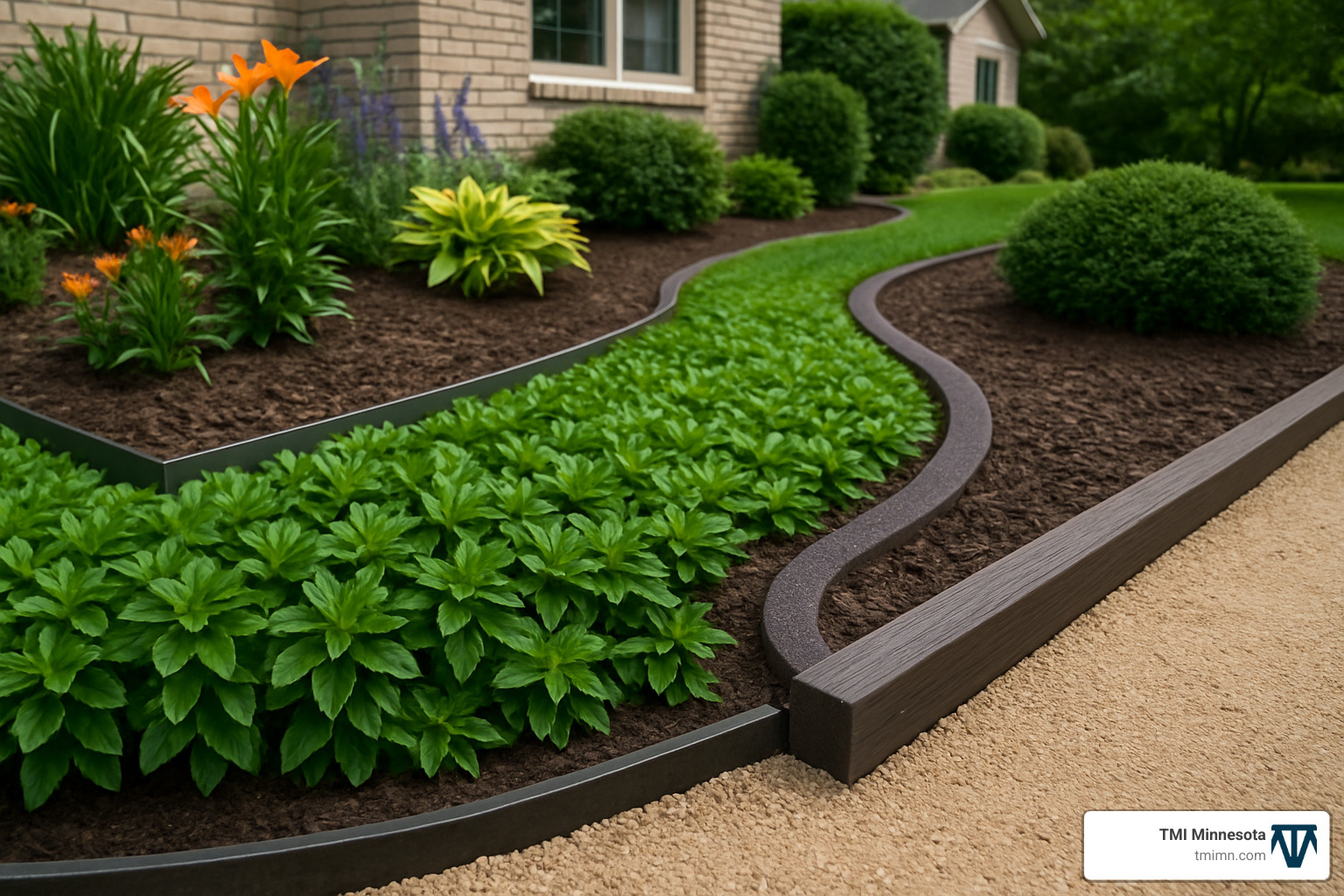
Metal edging leads the pack for good reason. Steel and aluminum strips laugh at our weather extremes, require no painting or sealing, and create crisp lines that stay put year after year. Installation is straightforward with simple stakes every few feet, and then you’re done.
Recycled rubber borders are practically maintenance-free once they’re in the ground. They won’t rot, crack, or fade, and they flex with ground movement without breaking. Just hose them off occasionally, and they’ll look great for decades.
Composite timbers give you the warm look of wood without the headaches. They won’t rot, split, or require staining, yet they maintain that natural appearance that complements traditional landscapes perfectly.
Evergreen groundcovers like pachysandra or vinca provide living borders that practically take care of themselves once established. They suppress weeds naturally, provide year-round coverage, and eliminate the need for seasonal replanting.
Design & DIY Installation: From Sketch to Soil
The magic of garden border ideas happens when you move from dreaming to doing. But before you grab a shovel, take time to plan your approach. I’ve learned that the most beautiful borders start with careful preparation, not rushed digging.
Start by walking your property with a garden hose or string. Lay it out where you envision your border, then step back and look. Does it feel right? Does it complement your home’s architecture? This simple step prevents costly mistakes and helps you visualize the finished result.
Aspect analysis might sound fancy, but it’s just understanding where the sun hits your yard. South-facing borders bake in intense heat all day – perfect for sun-loving lavender and ornamental grasses. North-facing areas stay cooler and shadier, making them ideal for hostas and ferns. East-facing borders get gentle morning sun, while west-facing spots endure the afternoon heat. Match your materials and plants to these conditions for long-term success.
When planning layered plantings, think like a theater director arranging actors on stage. Taller plants go in back, medium-height specimens in the middle, and low edging plants up front. This ensures everyone gets their moment in the spotlight and creates natural depth.
Your measuring toolkit doesn’t need to be complicated. A 100-foot tape measure, some stakes, and marking spray paint handle most jobs. For curved borders, nothing beats a flexible garden hose as your guide. Trench depth varies by material – lightweight plastic edging needs only 2-3 inches, while heavy stone borders require 4-6 inches for stability.
Stake spacing follows a simple rule: closer together for curves, farther apart for straight runs. Plan on stakes every 1-2 feet for curves and every 2-3 feet for straight sections.
Step-by-Step for Common Materials
Stone stacking feels like solving a three-dimensional puzzle. Start with your largest, flattest stones as the foundation. Dig a shallow trench and set these base stones level – this step determines how professional your finished border looks. Build up layer by layer, fitting stones together naturally and using smaller pieces to fill gaps.
Metal staked runs offer the cleanest, most professional look with minimal effort. Mark your line, dig a narrow trench, and unroll the edging. Position it at your desired height and drive stakes through the pre-punched holes every few feet. The key is keeping consistent height as you work.
Plastic snap-in systems make curves effortless. These flexible sections connect with built-in joints that bend naturally. Dig your trench slightly narrower than the edging width, press sections into place, and connect the joints. The flexibility handles gentle curves without special corner pieces.
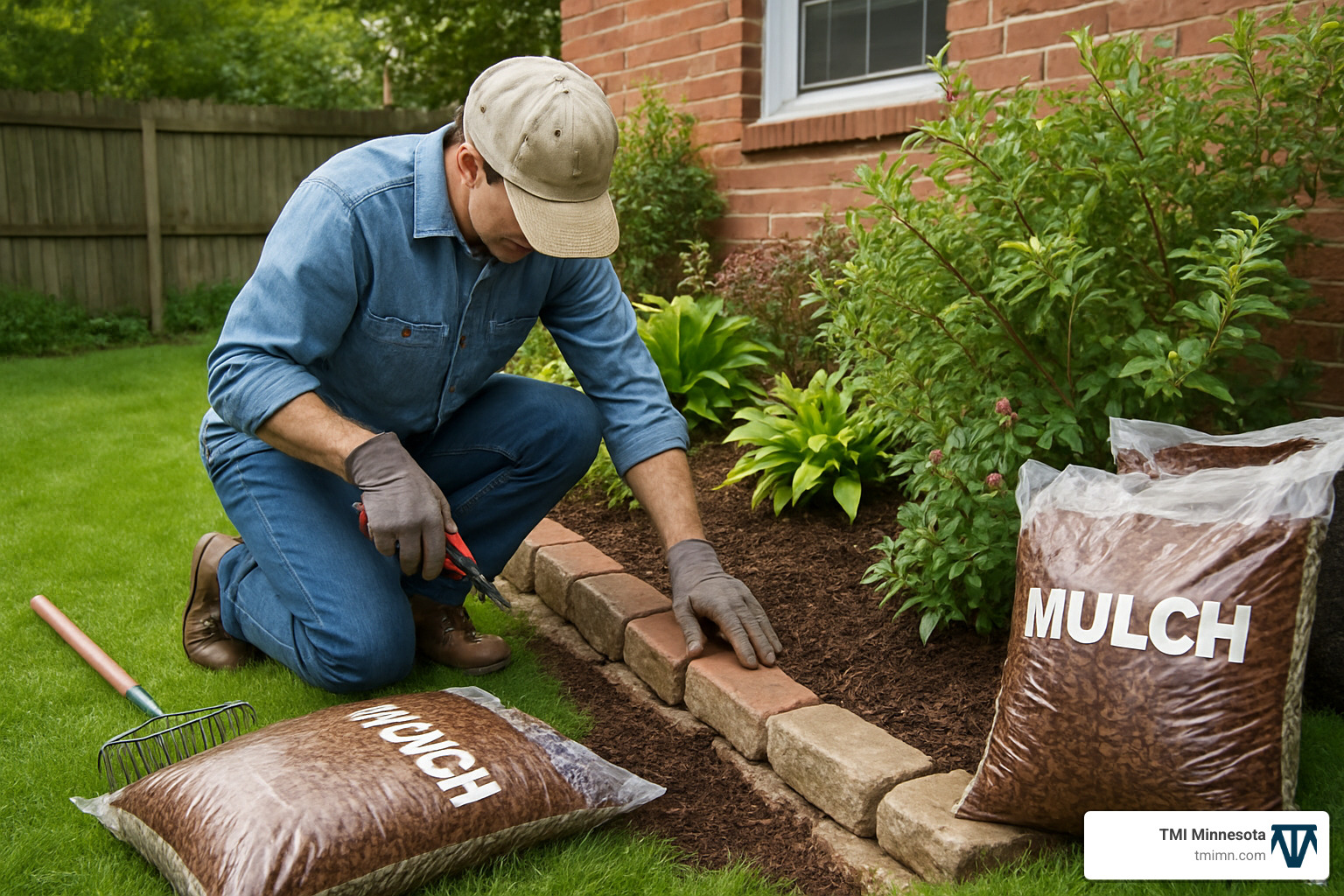
Brick soldier course creates timeless elegance. Set bricks on end in a narrow trench, like little soldiers standing at attention. Use a rubber mallet to seat each brick level with its neighbors, and pack soil firmly around the base for stability.
Log roll borders bring rustic charm to cottage gardens. Cut logs to uniform 6-12 inch lengths and set them upright in a trench. Varying the log diameters slightly creates a more natural, less regimented appearance.
Bamboo weave offers flexible, seasonal borders perfect for areas where you might want to change the design. Weave bamboo canes through vertical stakes to create attractive temporary borders that can be easily modified.
Small-Space & Slope Solutions
Small yards need smart solutions. Narrow borders work best with vertical elements that don’t steal precious planting space. Upright stones, sleek metal edging, or narrow timber borders provide definition without overwhelming compact areas.
Curved lines create the illusion of more space, making small gardens feel larger and more interesting. Gentle S-curves or flowing arcs encourage the eye to wander, creating a sense of findy even in tight quarters.
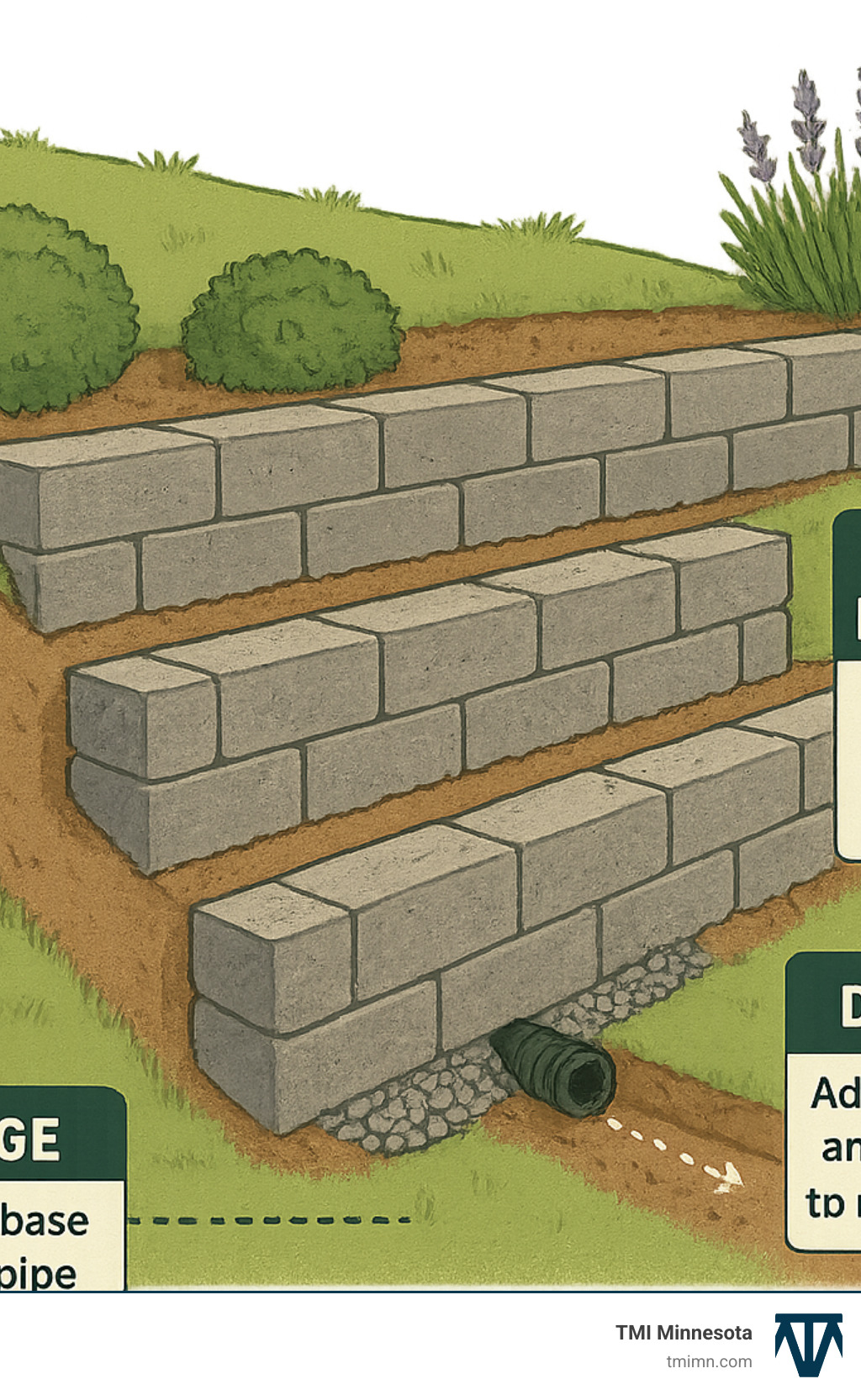
Slopes present unique challenges, but terraced edging turns problems into opportunities. Build small level areas using retaining blocks or stacked stone, creating a series of mini-gardens that prevent erosion while adding visual interest.
Retaining blocks solve multiple issues at once. Modern interlocking blocks handle significant grade changes without mortar, creating attractive borders that also manage slopes effectively.
Drainage considerations become crucial on slopes. Water needs somewhere to go, and solid barriers can redirect flow in unexpected ways. Always ensure your border design allows water to move naturally through or around your materials to prevent erosion problems elsewhere in your landscape.
The beauty of DIY border installation lies in taking it one section at a time. You don’t need to complete everything in a weekend. Start with the most visible area near your front door, perfect your technique, then expand from there. Each section teaches you something new about working with your chosen materials and your specific site conditions.
Maintenance & Seasonal Care
Your beautiful garden border ideas deserve proper care to keep them looking their best year after year. The good news? Most borders require surprisingly little maintenance once properly installed, especially compared to the weekly trimming and weeding they help you avoid.
Seasonal inspections are your best friend for catching small issues before they turn into expensive problems. I like to walk my borders twice a year – once in early spring after the snow melts and again in late fall before winter sets in. You’re looking for loose stones that need resetting, damaged edging sections, weeds breaking through barriers, and mulch levels that may have washed away during heavy rains.
Spring is when you’ll notice if winter heave has shifted any materials. Minnesota’s brutal freeze-thaw cycles can push even well-installed borders out of place. The key to preventing this is installing borders below the frost line (about 42 inches deep in our climate) and ensuring proper drainage so water doesn’t pool and freeze around your materials.
Wood borders need the most attention, requiring fresh sealer every 2-3 years to handle our harsh climate. Use a high-quality exterior wood sealer designed for ground contact – it’s worth the extra cost for the extended life you’ll get. Cedar and pressure-treated lumber last longest, but even these benefit from regular sealing.
Metal edging is wonderfully low-maintenance but occasionally needs touch-ups where scratches expose bare metal. A little primer and matching paint prevent rust from taking hold. Most modern steel edging comes with excellent factory coatings that last for decades with minimal care.
Brick and stone borders may need occasional re-leveling as individual pieces settle or shift. A rubber mallet and some sand usually solve these issues quickly. The beauty of these materials is that they actually improve with age, developing character and patina over time.
Living borders require the most seasonal attention but reward you with changing beauty throughout the year. Pruning timing depends on your plants – spring bloomers like forsythia should be pruned right after flowering, while fall bloomers can be cut back in late winter. Most perennial edging plants benefit from spring cleanup to remove dead foliage and encourage fresh growth.
Annual mulch refresh keeps borders looking crisp and functioning properly. Add 1-2 inches of fresh mulch each spring, being careful not to pile it against plant stems or tree trunks. This simple step suppresses weeds, retains moisture, and gives your borders that “just installed” appearance.
The time you invest in border maintenance pays dividends in reduced overall landscape care. Well-maintained borders continue to suppress weeds, contain mulch, and create clean lines that make your entire yard look professionally maintained.
More info about Landscape Renovation Services
Frequently Asked Questions about Garden Borders
What’s the most cost-effective border?
If you’re working with a tight budget, plastic landscape edging offers the best bang for your buck, with basic kits starting under $2 per linear foot. You can install it yourself in an afternoon, and it handles curves beautifully without special fittings.
But here’s where it gets interesting – the cheapest upfront option isn’t always the most cost-effective long-term. Plastic edging typically needs replacement every 5-10 years, especially in Minnesota’s harsh freeze-thaw cycles. Meanwhile, spending a bit more on metal edging at $3-8 per linear foot can last decades with virtually no maintenance.
For the truly budget-conscious, recycled materials like old bricks, bottles, or reclaimed wood can cost almost nothing if you’re willing to hunt for materials. I’ve seen homeowners create stunning garden border ideas using wine bottles buried neck-down or old bricks salvaged from renovation projects. The key is balancing your immediate budget with long-term value.
Which plants thrive along sunny borders?
Sunny borders are perfect for drought-tolerant perennials that love heat and bright light. My go-to recommendations for Minnesota gardens include lavender, which provides fragrance and attracts beneficial insects, plus native options like purple coneflower and black-eyed Susan that support local wildlife.
Perennial border plants such as lavender, salvia, and coreopsis can provide color and interest for up to 10 years once established. These workhorses handle full sun like champions and actually prefer our well-drained soils. For texture and movement, ornamental grasses like little bluestem and prairie dropseed add year-round interest without constant replanting.
The secret to sunny border success is choosing plants that actually want those hot, bright conditions. Fighting your site’s natural conditions always leads to more work and higher water bills. Native plants are particularly smart choices because they’ve evolved to handle our specific climate challenges.
How often should I replace or re-seal edging materials?
The maintenance schedule for your borders depends entirely on what materials you choose. Concrete, brick, and stone borders are the most durable, often lasting 20 years or more with proper installation – they’re practically set-and-forget once they’re in.
Wood borders need the most attention, requiring sealing every 2-3 years to prevent rot and insect damage. Even with good care, most wood edging needs replacement after 10-15 years. Cedar and redwood last longer than pressure-treated pine, but they also cost more upfront.
Metal edging sits in the sweet spot – it can last decades with minimal maintenance, maybe just an occasional touch-up if the coating gets scratched. Plastic edging typically needs replacement every 5-10 years, while living borders require annual pruning and occasional replanting but can provide decades of beauty with proper care.
The takeaway? Choose materials that match your maintenance style. If you love garden projects, wood and living borders offer seasonal activities. If you prefer low-maintenance solutions, metal or stone borders let you focus on enjoying your yard instead of constantly maintaining it.
Conclusion
Perfect garden border ideas transform ordinary yards into stunning outdoor spaces while making your life easier. The journey from planning to installation might seem overwhelming at first, but the results speak for themselves – cleaner lines, reduced maintenance, and a landscape that truly reflects your style.
The 50% reduction in maintenance time that well-designed borders provide makes them one of the smartest investments you can make in your property. No more tedious hand-trimming around every flower bed or chasing mulch that’s scattered across your walkways after every storm.
The secret is finding that sweet spot between your vision and your reality. Love the look of natural stone but working with a tight budget? Consider concrete pavers that offer similar appeal at half the cost. Want living borders but don’t have time for constant pruning? Evergreen groundcovers like pachysandra give you that lush look with minimal fuss.
Minnesota’s challenging climate adds another layer to consider. Our freeze-thaw cycles can wreak havoc on poorly installed borders, while heavy snow loads test even the sturdiest materials. Choose installation methods and materials that accept our weather rather than fight it – your future self will thank you when your borders look as good in year five as they did on installation day.
The beauty of garden borders lies in their versatility. Whether you’re creating formal geometric patterns with brick edging or embracing natural curves with fieldstone, you’re building something that grows more valuable over time. Your investment pays dividends not just in curb appeal, but in the countless hours you’ll save on yard work.
At TMI Minnesota, we’ve seen how the right border solution can completely change how families use their outdoor spaces. We specialize in changing outdoor spaces with unique designs that lift yard living, bringing together both hardscape expertise and softscape artistry to create borders that work beautifully for your specific situation. More info about environmentally friendly gardens
Ready to turn your landscape dreams into reality? Your perfect garden border is closer than you think. Contact our designers to start your perfect border today and find how the right edging can make your outdoor space both more beautiful and infinitely easier to maintain.