
What Green Living Landscapes Really Means
Green living landscapes are outdoor spaces designed to work in harmony with nature rather than against it. They prioritize water conservation, healthy soil, native plants, reduced chemical use, and wildlife support—all while creating beautiful, functional areas for your family to enjoy.
Key elements of green living landscapes include:
- Water-smart design – Drought-tolerant plants, rain gardens, and efficient irrigation
- Healthy soil practices – Composting, mulching, and avoiding chemical fertilizers
- Native plant selection – Species adapted to your local climate that need less care
- Eco-friendly materials – Recycled, reclaimed, or sustainably sourced hardscaping
- Waste reduction – Grasscycling, on-site composting, and minimizing lawn areas
- Energy efficiency – Strategic tree placement to cool your home naturally
This approach isn’t just about being environmentally responsible. It saves you time and money. Using less water, fertilizer, and pesticides reduces maintenance expenses and can lower your water bills over time. A green roof in Ottawa, Canada was found to reduce energy demand for cooling by more than 75 percent. Just one strategically planted tree could reduce a house’s emissions from summer electricity use by an average of 31 percent over a 100 year period.
The environmental stakes are high. More than 30 percent of total household water use occurs outdoors, and nearly 70 percent of water pollution comes from stormwater runoff—half of that pollution comes from chemicals used in our yards and homes. Traditional lawns and landscapes consume enormous amounts of water while offering little to pollinators, birds, and other wildlife.
As Christopher Deanovic, Operations Leader of Task Masters, I’ve spent years helping Minnesota homeowners transform sterile, resource-draining yards into thriving green living landscapes that improve both property value and quality of life. Our team specializes in creating outdoor spaces that reflect the unique beauty of Minnesota’s natural environment while meeting the practical needs of modern families.
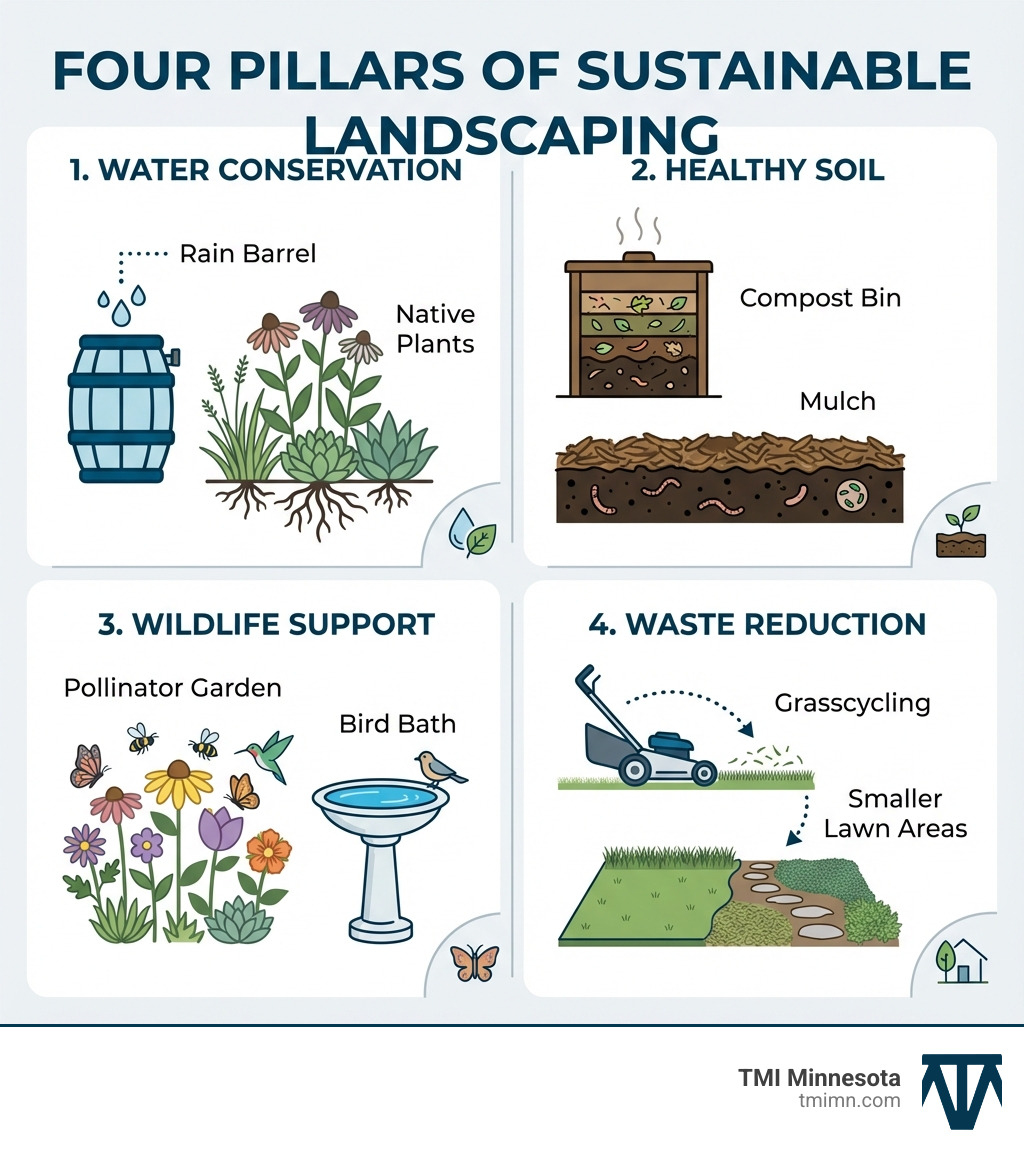
Green living landscapes terms at a glance:
The Environmental and Financial Payoffs of Going Green
Opting for green living landscapes isn’t just a trend; it’s a smart investment in our planet and your property. We believe that your outdoor area can be an ideal space for you to enjoy somewhere green while being safe in the knowledge of contributing to a healthier environment. This core philosophy drives our services, translating into designs that prioritize ecological health and long-term sustainability.
Why Sustainable Landscaping Matters
Sustainable landscaping directly tackles some of the most pressing environmental challenges. For instance, buildings consume a staggering 70 percent of the total U.S. electricity load. This is where strategic landscaping can make a huge difference. Green roofs, for example, can be as much as 90° F cooler than a conventional rooftop, significantly reducing the energy needed for cooling. Imagine the relief on a hot Twin Cities summer day! Planting deciduous trees on the southern and western sides of your home can offer shade from intense summer sunlight, further reducing energy needed for cooling. A single, well-placed tree can reduce a house’s emissions from summer electricity use by an average of 31 percent over a 100-year period. And don’t forget the winter months; windbreaks created by thoughtful tree placement could help houses cut winter fuel consumption by 40 percent.
Water conservation is another critical area. More than 30 percent of total household water use occurs outdoors, and much of this is often wasted on thirsty lawns. The energy required to move and treat this water is substantial; for example, 20 percent of California’s total electricity use is spent just getting water to residents, businesses, and farms. Reducing household water consumption could avoid 4.6 billion tons of greenhouse gas emissions by 2050.
Beyond energy and water, conventional landscaping practices contribute to significant pollution. Nearly 70 percent of water pollution comes from stormwater runoff, and half of that pollution comes from chemicals used in our yards and homes. By embracing environmentally friendly gardens, we can dramatically reduce this runoff, protecting our local waterways and supporting the rich biodiversity of our region. Landscaping can contribute to a healthier environment by filtering pollutants from the air and water, enriching soil, and providing vital habitat for local wildlife, from pollinators to birds.
Benefits for Your Wallet and Well-being
The environmental benefits translate directly into financial savings and improved quality of life for homeowners.
- Reduced water bills: By choosing drought-tolerant plants and implementing efficient irrigation, you’ll see a noticeable drop in your monthly water expenses. This is especially important in regions where water is a limited resource.
- Lower maintenance expenses: Sustainable landscapes, especially those using native plants, often require less mowing, fertilizing, and pest control. Grasscycling—leaving grass clippings in place when mowing—can reduce the need for fertilizers by 15 to 25 percent, saving you money and effort.
- Energy savings: As mentioned, strategic tree planting and green roofs can significantly lower your heating and cooling costs.
- Increased property value: A well-designed, sustainable landscape improves curb appeal and is increasingly attractive to potential buyers who value eco-conscious living. On average, a professionally designed landscape can boost your home’s value by 10-20%.
- Healthier recreation spaces: Reducing chemical use means your yard is safer for children, pets, and local wildlife. It creates a more pleasant and healthy environment for outdoor activities.
- Improved air quality: Plants play a crucial role in purifying the air by removing harmful pollutants and releasing oxygen through photosynthesis, contributing to cleaner and healthier air for everyone.
By choosing green living landscapes, you’re not just creating a beautiful space; you’re building a resilient, cost-effective, and environmentally responsible outdoor haven.

The Core Principles of Green Living Landscapes
At TMI Minnesota, we believe that a truly beautiful landscape is one that thrives in harmony with its surroundings. Our approach to green living landscapes is built upon several core principles that focus on sustainability, efficiency, and ecological balance. These principles guide us in creating outdoor spaces that are not only stunning but also beneficial for our clients and the environment.
Smart Water Management and Conservation
Water is a precious resource, especially in our local climate. Our designs prioritize smart water management to minimize waste and ensure your landscape remains vibrant with less water.
- Drought-tolerant plants: We select plants that naturally thrive with minimal water, reducing the need for supplemental irrigation once established. Our expertise in drought-resistant landscaping ensures your garden stays lush even during dry spells.
- Efficient irrigation: If irrigation is necessary, we install smart systems, such as soaker hoses or drip irrigation, which can save 50 percent or more water compared with sprinklers by delivering water directly to plant roots.
- Rainwater harvesting: Collecting rainwater from your roof in rain barrels or rain chains is an excellent way to provide non-potable water for your garden, reducing reliance on municipal water.
- Rain gardens: These beautiful, functional depressions in your landscape are designed to collect and absorb stormwater runoff from roofs, driveways, and other impervious surfaces. Our rain garden design MN services help you reduce runoff, filter pollutants, and recharge groundwater.
- Permeable pavers: For patios, walkways, and driveways, we often recommend permeable pavers. Unlike solid concrete, these allow rainwater to seep into the ground naturally, reducing stormwater runoff and replenishing the water table.
- Xeriscaping: This landscaping method focuses on using drought-tolerant plants that require minimal irrigation while still creating a beautiful design. Our xeriscape garden solutions are perfect for those who want to conserve water without sacrificing aesthetics.
Building a Foundation with Healthy Soil and Native Plants
The health of your landscape begins beneath the surface, with your soil. A teaspoonful of healthy soil contains about 4 billion organisms! We focus on nurturing this vital ecosystem.
- Composting: We encourage on-site composting of yard waste and food scraps. Compost enriches the soil, improving its structure, nutrient content, and water retention capabilities. Healthy soils cycle nutrients effectively, minimize runoff, retain water, and absorb excess nutrients, sediments, and pollutants.
- Mulching: Applying organic mulch around plants helps retain soil moisture, suppress weeds, moderate soil temperature, and slowly release nutrients as it decomposes.
- Soil testing: Before we begin any project, we recommend a soil test to understand your soil’s nutrient content, pH, composition, and organic matter. This allows us to make informed decisions about amendments and plant selection, avoiding unnecessary chemical applications.
- Avoiding chemical fertilizers and pesticides: By improving soil health and selecting appropriate plants, we drastically reduce the need for synthetic chemicals. This protects beneficial insects, soil organisms, and prevents harmful runoff into our local environment.
- Native plants: These are the superstars of green living landscapes in Minnesota. Native plants are adapted to our local soils and climate, requiring less water, fertilizer, and being more resistant to pests and diseases than exotic species. Our Minnesota native plants selections are carefully chosen to thrive here.
- Supporting pollinators and wildlife: Native plant landscaping is crucial for supporting local wildlife, including vital pollinators like bees and butterflies, as well as birds. These plants provide essential food and habitat, enhancing the ecological value of your yard. We can even help you select deer-resistant plants MN to protect your garden from hungry visitors.
Eco-Friendly Materials and Waste Reduction
Our commitment to sustainability extends to the materials we use and how we manage waste.
- Recycled and reclaimed materials: For hardscaping elements like patios and pathways, we incorporate recycled materials such as rubberized asphalt (made from recycled tires) or reclaimed bricks and stones. Permeable pavers, as mentioned, are also a great eco-friendly option.
- Sustainably harvested wood: If wood is used for decks, fences, or pergolas, we prioritize sustainably harvested or certified wood products to minimize environmental impact.
- Grasscycling: This simple practice involves leaving grass clippings on your lawn after mowing. The clippings quickly decompose, returning valuable nutrients to the soil and reducing the need for synthetic fertilizers by 15 to 25 percent. It also saves you the effort of bagging!
- Reducing lawn size: Traditional turfgrass lawns are water and maintenance intensive. We often recommend changing portions of your lawn into garden beds with native plants or other low-maintenance alternatives.
- Lawn alternatives: TMI Minnesota can help you install a variety of eco-friendly lawn alternatives that offer beauty with less work. Options include:
- Clover lawns: Nitrogen-fixing, drought-tolerant, and attractive to pollinators.
- Groundcovers: Low-growing plants like wild strawberry or creeping thyme that suppress weeds and require little to no mowing.
- Native grasses: Such as Pennsylvania sedge, offering a soft, meadow-like appearance.
- Meadow lawns: Mixes of wildflowers and grasses that create vibrant, biodiverse habitats.
- Mix lawns: A blend of various low-growing plants for a diverse, resilient ground cover.
- On-site composting: We encourage and facilitate the composting of green waste generated during our projects, turning it into valuable soil amendments rather than sending it to a landfill.
The Hidden Costs of Conventional Landscaping
While a lush, uniformly green lawn might seem appealing, conventional landscaping practices often come with significant hidden environmental and financial costs. We often see homeowners unknowingly contributing to these issues, which is why education and sustainable alternatives are so important.
Environmental Impact of Traditional Practices
Traditional landscaping, with its emphasis on pristine turf and exotic plants, can be surprisingly detrimental to our environment.
- High water consumption: Conventional turfgrass lawns account for about one-third of all residential water use. Maintaining a green lawn, especially during dry spells, requires massive amounts of water, putting a strain on our precious resources.
- Fertilizer and pesticide pollution: To keep lawns green and pest-free, homeowners often apply synthetic fertilizers and pesticides. These chemicals can easily wash off with rain or irrigation, becoming stormwater runoff. Nearly 70 percent of water pollution comes from stormwater runoff, and a shocking half of that pollution comes from chemicals used in our yards and homes.
- Stormwater runoff contamination: This chemically laden runoff pollutes our local waterways, harming aquatic life and ecosystem health. For example, maintaining turfgrass requires watering and fertilizer use, leading to water wastage and runoff that pollutes Toronto’s waterways and harms aquatic life. The same principles apply to our rivers and lakes here in the Twin Cities.
- Loss of biodiversity: Manicured lawns offer little habitat or food for pollinators, birds, and other wildlife. This monoculture contributes to the decline of local biodiversity, disrupting natural ecosystems that are vital for a healthy environment.
The Problem with Gas-Powered Equipment
Another significant,, environmental impact comes from the equipment used in conventional landscaping.

- Harmful emissions: Emissions from lawn mowers, snow blowers, chain saws, leaf vacuums, and other outdoor power equipment are a significant source of pollution. Gas-powered mowers and leaf blowers emit harmful pollutants, contributing to air quality issues in urban areas.
- Urban noise pollution: These machines are also a major source of urban noise pollution, affecting both human health and wildlife. Noise pollution impacts biodiversity by disrupting animal communication, foraging, and reproductive behaviors. Evidence shows the impact of noise pollution on biodiversity is significant, affecting everything from insect diversity to bird nesting habits.
- Disruption of wildlife: Leaf blowers, in particular, displace, injure, and kill pollinators and other insects, while their noise disrupts bird feeding, nesting, and mating habits. They strip away organic matter, remove nutrients, and disperse harmful chemicals into the air.
- Transitioning to zero-emission equipment (ZEOPE): Recognizing these issues, cities like Toronto are actively transitioning to zero-emission outdoor power equipment (ZEOPE), including battery-powered or corded leaf blowers and lawn mowers, along with human-powered tools. This shift towards quieter, cleaner alternatives is a crucial aspect of sustainable landscaping techniques that we advocate and implement.
By understanding these hidden costs, we can make more informed choices that benefit both our own backyards and the broader environment.
How to Choose the Right Sustainable Landscaping Provider
When you’re ready to transform your outdoor space into a vibrant, eco-friendly haven, choosing the right partner is key. We pride ourselves on our commitment to environmental stewardship and our expertise in creating beautiful, functional, and sustainable landscapes here in the Twin Cities.
What to Look For in a Green Landscaping Company
Finding a landscaping service that aligns with your values for sustainability requires a careful evaluation. Here’s what we believe sets a truly green company apart:
- Expertise in sustainable practices: Look for a company that deeply understands and actively implements sustainable landscaping methods. This includes knowledge of native plants, water conservation techniques, organic soil amendments, and eco-friendly pest management. Our team has extensive knowledge in eco-friendly landscape design custom for the Minnesota climate.
- Knowledge of local ecology: A reputable provider should be intimately familiar with the local climate, soil conditions, and native plant species of the Twin Cities area. This ensures that the plants chosen will thrive without excessive intervention and support local ecosystems.
- Use of eco-friendly materials: Inquire about their sourcing of materials. Do they prioritize recycled, reclaimed, or sustainably harvested options for hardscaping? Do they use organic mulches and compost? We are committed to incorporating leading-edge and sustainable materials into all our projects.
- Transparent pricing: A good company will provide clear, detailed quotes that explain the costs associated with sustainable materials and labor, demonstrating the long-term value of your investment.
- Range of services: A comprehensive sustainable landscaping service should offer a variety of options, including landscape design, installation, and ongoing maintenance with a green focus. This ensures a holistic approach to your outdoor space.
- Experience in both domestic and commercial projects: Our experience extends to both residential homes and commercial properties, allowing us to apply sustainable practices to projects of all sizes and complexities. This versatility means we can bring our green expertise to any outdoor space, big or small.
- Customer feedback and portfolio: Reviewing a company’s portfolio of past projects and reading customer testimonials can give you a clear idea of their quality of work and commitment to client satisfaction.
Practical Steps for Your Own Green Living Landscapes
Even if you’re not ready for a full landscape overhaul, there are many practical steps you can take to make your own landscape more sustainable. Every little bit helps!
- Start small with a native plant bed: Replace a section of your lawn with a garden bed filled with Minnesota native plants. These plants require less water and maintenance and provide vital habitat for pollinators.
- Install a rain barrel: Collect rainwater from your downspouts to use for watering your plants. It’s free, natural, and reduces stormwater runoff.
- Start a compost pile: Turn your kitchen scraps and yard waste into nutrient-rich compost for your garden. It’s a fantastic way to improve soil health and reduce waste.
- Mow your lawn higher: Set your mower blades to at least 3 inches. Longer grass shades the soil, retains moisture, and helps crowd out weeds, leading to a healthier, more drought-resistant lawn.
- Reduce fertilizer use: Healthy soil with organic matter often needs less synthetic fertilizer. If you do fertilize, opt for natural organic or slow-release products. Leaving grass clippings on the lawn (grasscycling) also naturally fertilizes it.
- Explore lawn alternatives: Consider replacing thirsty turfgrass with groundcovers, native grasses, or clover for a lower-maintenance, more eco-friendly option.
- Adopt integrated pest management (IPM): Focus on prevention, identify pests before acting, tolerate a small amount of damage, and use targeted, eco-friendly solutions only when necessary.
For more detailed guidance and personalized advice, check out our best eco-friendly landscaping tips. Making these small changes can lead to significant environmental benefits and a more enjoyable outdoor space.
Frequently Asked Questions about Green Living Landscapes
What is the main goal of a green living landscape?
The main goal of a green living landscape is to create a beautiful, functional outdoor space that works in harmony with the local environment. It focuses on conserving resources like water and energy, reducing waste and pollution, and supporting biodiversity, all while lowering long-term maintenance costs. It’s about creating an outdoor haven that is both aesthetically pleasing and ecologically responsible, enhancing your lifestyle and contributing positively to the planet.
How much does sustainable landscaping cost compared to traditional methods?
While the initial investment for features like permeable pavers or high-quality native plants can sometimes be higher, sustainable landscaping typically saves money in the long run. Savings come from significantly reduced water bills, little to no need for chemical fertilizers and pesticides, and lower maintenance requirements. For example, using less water, fertilizer, and pesticides reduces maintenance expenses—and can lower your water bills over time. Over its lifespan, a sustainable landscape often proves more cost-effective due to reduced inputs and labor.
Can I have a lawn in a sustainable landscape?
Yes, but the approach is different. A sustainable lawn might be smaller, use drought-tolerant grass varieties, be watered deeply but infrequently, and be maintained without synthetic chemicals. Alternatives like clover, native grasses, or low-growing groundcovers are also excellent options that provide a green look with more ecological benefits. These alternatives require less maintenance, such as mowing, fertilizing, and watering. TMI Minnesota can help you select and install these options, tailoring them to your specific needs and preferences for a beautiful and eco-friendly outdoor space.
Conclusion
Embracing green living landscapes is more than just a trend; it’s a mindful choice to create outdoor spaces that are beautiful, functional, and beneficial for both you and the environment. By focusing on smart water management, healthy soil, native plants, and eco-friendly materials, we can transform conventional yards into vibrant ecosystems that conserve resources, support local wildlife, and improve our well-being.
At TMI Minnesota, we are passionate about guiding you through this journey. We specialize in changing outdoor spaces with unique designs, offering hardscape and softscape installations, and using leading-edge products to lift your yard living. Our expertise ensures that your transition to a green living landscape is seamless, rewarding, and custom to the unique beauty of the Twin Cities region.
Are you ready to enjoy a more beautiful, sustainable, and cost-effective outdoor space?
Start your eco-friendly landscape transformation today and find the lasting benefits of a green living landscape.