
Understanding Your Outdoor Space: The Foundation of Great Design
Landscape and hardscape are the two fundamental components of any outdoor space, but many homeowners don’t fully understand the difference or how they work together.
Quick Answer:
- Hardscape = Non-living elements (patios, walkways, retaining walls, decks, pergolas)
- Landscape/Softscape = Living elements (plants, trees, flowers, grass, shrubs)
- Best Results = Balanced combination of both for function and beauty
Everything in your backyard falls into one of these two categories. The stone patio is hardscape; the flower beds are landscape (also called softscape).
This distinction is crucial. Hardscape provides structure and function, while landscape adds natural beauty, seasonal interest, and environmental benefits.
The magic happens when they work together. A patio without plants can feel cold and unwelcoming, while a garden without defined paths can look chaotic and be difficult to maintain.
I’m Christopher Deanovic, Operations Leader of Task Masters. I’ve spent years helping Minnesota homeowners blend landscape and hardscape elements. I’ve seen how the right balance transforms ordinary yards into extraordinary outdoor living spaces that families love to use.

Easy landscape and hardscape glossary:
Defining the Core Components: Hardscape vs. Softscape
Think of designing your outdoor space like decorating a room: you need both furniture (hardscape) and decor (softscape). Understanding their unique roles is the first step toward your dream yard. Let’s break down what makes each component unique.
What is Hardscape? The Structural Foundation
Hardscape includes all the non-living elements in your yard. These permanent, solid structures form the backbone of your outdoor space—the foundation everything else builds upon.
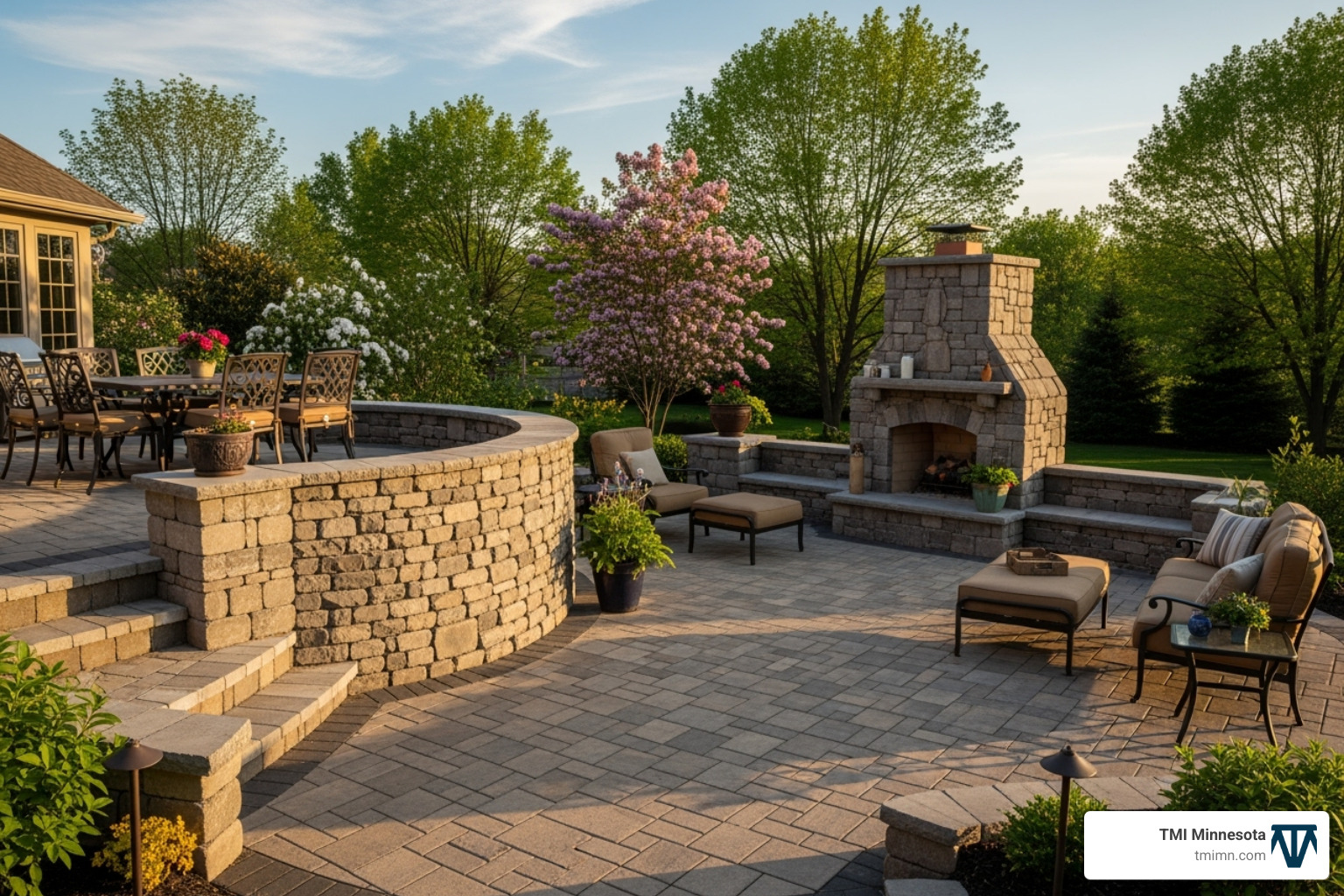
Hardscape elements are reliable. Once installed, they provide structure and function year-round. Your stone patio, for example, serves its purpose regardless of the season.
Patios and decks create outdoor living rooms. Walkways guide visitors and protect your lawn. Retaining walls solve problems like erosion while adding visual interest—our Retaining Wall Design Services ensure they are both beautiful and durable.
Pergolas offer shade and define spaces, while outdoor kitchens create an entertainment hub. Our Outdoor Kitchen Installation service helps extend your living area outdoors.
Water features add soothing sounds, and fences provide privacy. Each element serves a function while contributing to the overall aesthetic.
When it comes to materials, variety is incredible. Concrete is versatile and durable. Natural stone offers timeless elegance. Pavers allow for creative patterns and easy repairs. Brick adds classic charm, and wood brings warmth.
Gravel is the most budget-friendly option, typically costing $1 to $5 per square foot. It’s great for pathways and informal patios but requires maintenance like weed control.
What is Landscape (Softscape)? The Living Elements
If hardscape is the bones of your outdoor space, softscape is the soul. These living elements—plants, trees, flowers, and grass—breathe life into your yard, changing with the seasons and growing more beautiful over time.
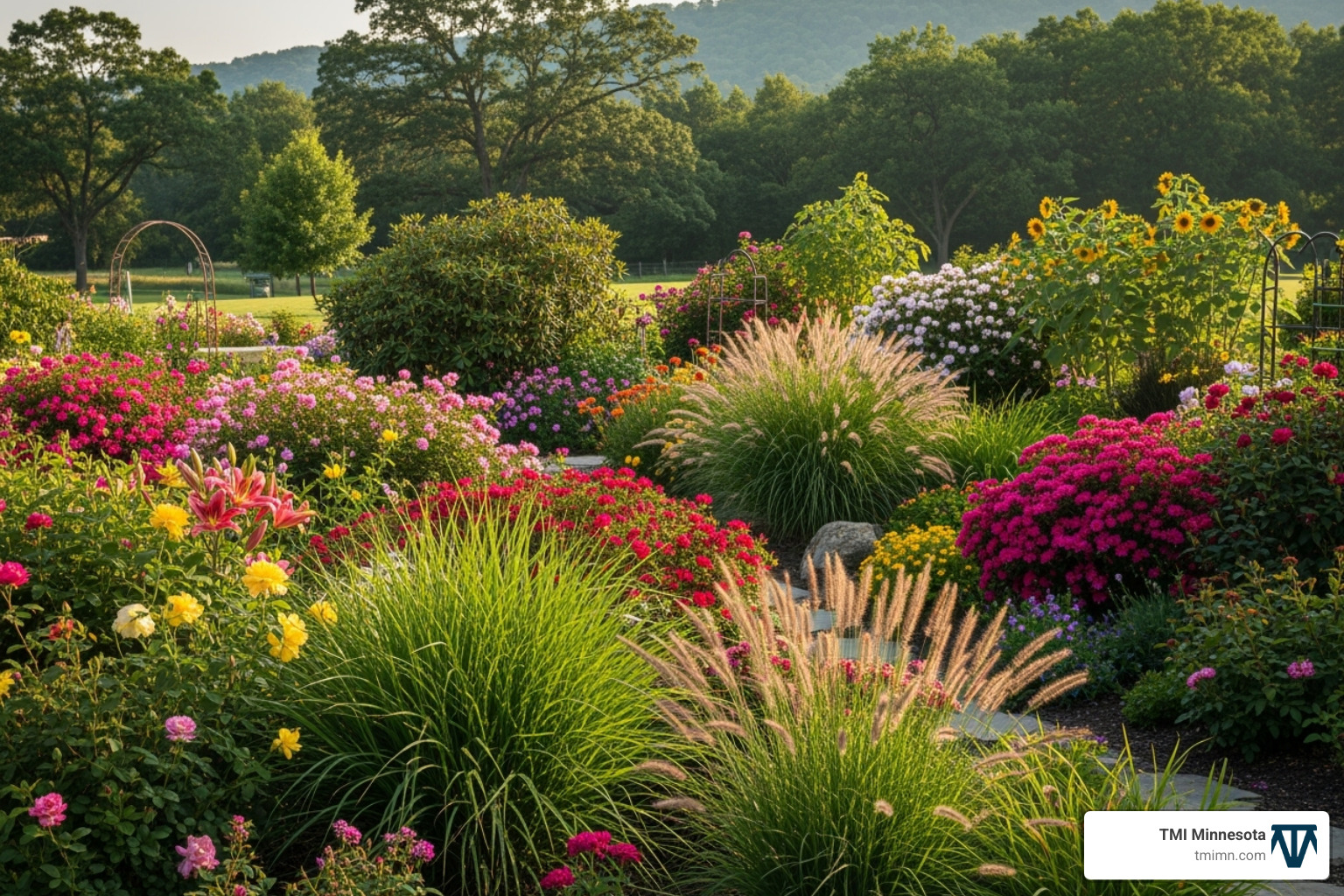
Softscape is dynamic. Trees grow to provide shade, perennial flowers return each spring, and shrubs offer year-round structure with seasonal color.
Your lawn is a green canvas for play and relaxation. Annual flowers add yearly color experiments, and mulch improves plant health by retaining moisture and suppressing weeds.
Softscape engages all senses: the fragrance of flowers, the rustle of grasses, the sight of butterflies. Our Softscape Services help create these living masterpieces.
For Minnesota homeowners concerned about water usage, our Drought-Resistant Landscaping options ensure your garden stays beautiful while being environmentally responsible.
Unlike hardscape, softscape requires ongoing care like watering, pruning, and fertilizing. Many homeowners find this maintenance rewarding, enjoying the process of nurturing their plants.
Key Differences at a Glance
Understanding landscape and hardscape differences helps you make smart design decisions. Here’s how they compare across key factors:
| Feature | Hardscape | Softscape |
|---|---|---|
| Permanence | Static and unchanging | Dynamic and evolving |
| Maintenance | Low maintenance once installed | Requires regular ongoing care |
| Evolution | Fixed appearance over time | Grows and changes with seasons |
| Cost | Higher upfront investment | Lower initial cost, higher ongoing expenses |
| Function | Provides structure and functionality | Adds beauty and environmental benefits |
The key insight? Neither hardscape nor softscape works best alone. The most stunning outdoor spaces combine both, using hardscape for structure and softscape for natural beauty. This balance creates practical and enchanting outdoor areas.
The Functional Benefits of Hardscape and Landscape
Understanding the “why” behind each component is key. Both landscape and hardscape serve distinct purposes that improve your outdoor living experience. They are the foundation for a space you’ll actually want to use. Hardscape is the bones of your outdoor space; landscape is the soul. Each is essential.
The Role and Advantages of Hardscaping
In a well-designed yard, hardscape provides essential structure. A beautiful garden is wonderful, but without structure, it can feel chaotic and be difficult to enjoy.
Structure and functionality are hardscape’s greatest gifts. A stone patio becomes an outdoor dining room, and a walkway guides guests. These elements create “outdoor rooms,” extending your home’s living area.
Hardscape is also a problem-solver. A retaining wall can level a sloping yard and prevent erosion. Proper design can fix drainage issues, protecting your home’s foundation.
The durability and low maintenance aspect is a key benefit. A patio is ready for decades of use with little upkeep, unlike plants that need constant care.
Financially, hardscaping is a smart investment. Quality hardscape features significantly increase home value and curb appeal. Buyers pay more for homes with established outdoor living spaces.
Accessibility is another crucial, often overlooked benefit. Well-designed walkways and steps make your space welcoming for everyone.
Our Hardscape Design Services maximize these benefits. From an outdoor kitchen to a quiet fire pit retreat, our Deck And Patio Designs bring visions to life. For challenging terrain, our Retaining Wall Design Services solve practical problems beautifully.
The Role and Advantages of Softscaping
If hardscape provides structure, softscape provides the magic, bringing your yard alive with color, texture, and sound.
Natural beauty and aesthetics are softscape’s most obvious contribution. The experience of a living, growing space connects us to nature in a way stone or concrete cannot.
Softscape elements are also environmental powerhouses. Trees clean the air and provide natural shade and cooling, which can reduce energy costs in hot Minnesota summers.
Privacy screening is another practical benefit. A row of evergreen shrubs creates an attractive living fence that changes with the seasons while offering year-round screening.
Softscape also softens hard edges. Plants make a stone patio feel less cold and help constructed elements feel more natural.
Choosing the right plants helps in supporting wildlife, turning your yard into a habitat for birds and butterflies. This adds a new dimension to your outdoor space.
Seasonal interest from softscape keeps your yard engaging year-round. From spring bulbs to autumn colors and winter structure, this constant evolution prevents boredom.
Our Softscape Services bring this natural vitality to your property. We specialize in Drought-Resistant Landscaping for our climate and invite you to view our Softscapes to see how living elements can transform your space.
The real magic happens when hardscape and landscape work together, each enhancing the other.
Achieving Harmony: Integrating Landscape and Hardscape Design
The magic of a great outdoor space is when landscape and hardscape elements work in harmony. It’s not about expensive features, but about creating a cohesive space where everything belongs. Just like decorating a room, your outdoor space needs thoughtful touches to tie different elements together.
Why Balance is Crucial for a Cohesive Outdoor Space
Imagine a backyard that’s all concrete—practical, but sterile. Now picture one so overgrown you can’t walk through it. Neither extreme is ideal.
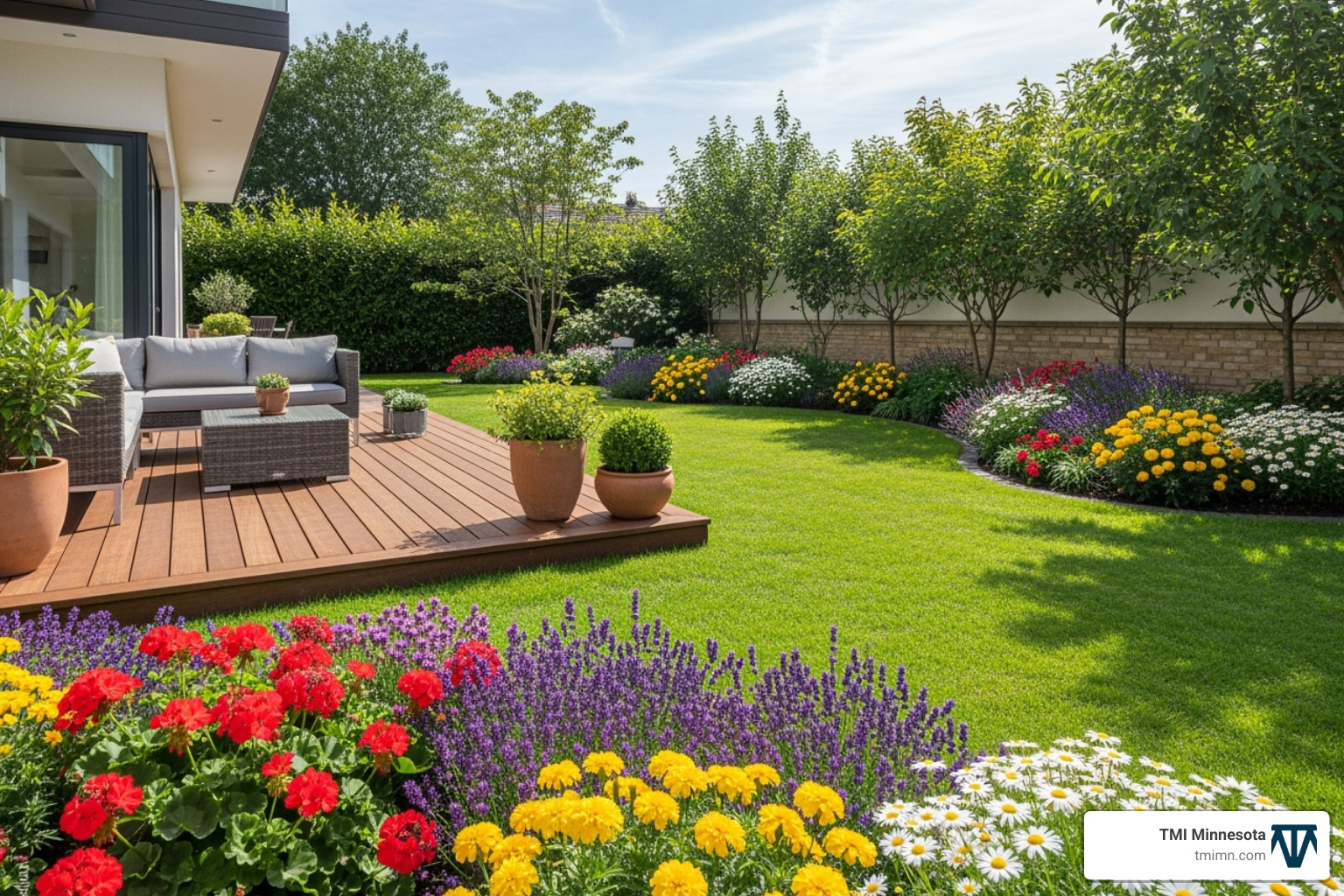
The sweet spot is in the balance. When balanced, hardscape structures feel like they grew naturally alongside your plants.
Visual interest comes from the contrast between hard and soft elements, like smooth stone and soft petals. This contrast makes the space feel dynamic. Harmony emerges when these elements complement each other. A retaining wall can be a backdrop for climbing roses, not just a functional structure.
This balance helps you extend your indoor living outdoors, turning patios into dining rooms and fire pits into family rooms.
Practical Tips for Integrating Landscape and Hardscape
Creating this seamless blend is straightforward with a few techniques.
Soften hard edges. A new retaining wall looks more natural with low-growing perennials at its base or trailing plants spilling over the top.
Create natural flow with hardscape. A curved stone path can guide visitors past a flower bed to a seating area. Line paths with complementary plants.
Frame your best views with hardscape. A pergola can frame a garden view, an arbor can highlight a rose bush, and a low wall can be a perch for viewing a water feature.
Repeat materials and colors for unity. Use the same stone for your patio and garden edging. Echo plant colors in different areas of your yard.
Use plants within hardscape structures. Use planting pockets in walls, allow moss between flagstones, or build planters into your patio to blur the lines between built and natural.
Connect different zones with thoughtful transitions, like from a deck to a patio to a gravel path. Each transition should feel natural.
Our Landscaping Design approach focuses on these integration techniques. See examples in our Hardscape Gallery.
Planning Your Landscape and Hardscape Project
Successful landscape and hardscape projects start with smart planning.
Start with a lifestyle assessment. How will you use the space? For large parties or quiet mornings? For kids’ play or a low-maintenance retreat? Your answers determine the design.
Budget planning requires thinking beyond initial costs. A stone patio costs more upfront but has low long-term maintenance. A garden is cheaper initially but requires ongoing care.
A site analysis is crucial. We examine slope, drainage, sun exposure, and soil conditions. These factors affect plant selection and hardscape foundation requirements.
Climate considerations are key in Minnesota. We choose materials and plants that handle our freeze-thaw cycles. Our drought-resistant landscaping expertise ensures your investment thrives.
Consider your long-term vision. Will a tree planted today provide desired shade in ten years? Good planning considers how your space will evolve.
Professional design creates a cohesive plan. While some softscape is DIY-friendly, most hardscape requires specialized skills. A professional ensures your design is beautiful, structurally sound, and properly installed, designing for context and balance. We can even walk you through How To Install Hardscape Pavers for your project.
Frequently Asked Questions about Landscape and Hardscape
Here are answers to the most common questions we hear from homeowners about landscape and hardscape projects.
How do hardscaping and landscaping affect property value?
This is a common question. The great news is that professional hardscaping and landscaping can significantly boost property value, often by 10-20%.
Hardscaping adds “functional square footage.” A patio, deck, or outdoor kitchen creates additional living space that appeals to buyers. These features are low-maintenance and provide year-round value.
Softscaping creates a crucial first impression. Mature trees, lush gardens, and vibrant flower beds make a home feel welcoming and established. Strategically placed trees can also reduce energy costs by providing shade.
A thoughtful combination of both is best. A balanced outdoor space that blends function with beauty feels like a natural extension of the home, which excites buyers and can command premium prices.
What is the least expensive hardscape material?
For budget-conscious projects, gravel consistently ranks as the most affordable hardscape option, typically costing $1 to $5 per square foot installed.
Gravel is versatile and can look fantastic when used thoughtfully for patios, paths, and driveways. The key is proper installation with good edging and base preparation.
When choosing materials, think beyond the initial cost. Gravel needs replenishment and weed control. Concrete can crack in Minnesota’s climate. Spending more upfront on quality materials or professional installation can save money and headaches long-term.
Can I DIY a landscape and hardscape project?
The answer depends on the project’s scope.
Softscaping projects are often perfect for DIY enthusiasts. Planting flower beds, installing mulch, or planting small trees and shrubs can be rewarding weekend projects that allow you to work at your own pace.
Hardscaping is where things get more complicated. While a simple gravel pathway or small paver patio might be manageable for someone with good DIY skills, most hardscape projects require specialized knowledge. Building a retaining wall, for example, involves drainage, soil pressure, and structural integrity. Mistakes can be expensive.
Large patios, outdoor kitchens, and retaining walls should be left to professionals. These projects require knowledge of building codes, base preparation, and grading for drainage. Improper foundation work often leads to failure within a few years.
A hybrid approach can work well. Let professionals handle the technical hardscape installation, and you can tackle the planting yourself. This ensures structural elements are built to last while allowing for hands-on involvement.
Conclusion: Creating Your Perfect Outdoor Oasis
Your outdoor space has incredible potential. The key to changing it lies in understanding how landscape and hardscape work together as partners.
Hardscape is the reliable foundation. It provides functional spaces like patios and walkways, offering year-round structure and solving problems like drainage.
Meanwhile, landscape is the artistic element, bringing color and life. Plants soften the hard edges, trees provide cooling shade, and flowers add seasonal joy.
When these two elements work in harmony, your yard becomes an outdoor oasis—a place you want to spend time, where your space looks inviting and feels like a true extension of your home.
This isn’t just about beauty. A thoughtfully designed combination of landscape and hardscape adds real value to your home. Buyers love outdoor spaces that are both gorgeous and functional.
At TMI Minnesota, we’ve spent years perfecting this balance. We know which materials and plants work best in our climate to create spaces that improve with time.
Our team doesn’t just install features; we create experiences. We listen to your vision—whether for large gatherings or a quiet retreat—and use leading-edge products and proven techniques to bring it to life.
Every project starts with your vision. A challenging slope can become a stunning terraced garden. If you want a low-maintenance outdoor kitchen, we can show you luxurious, easy-care materials.
Your perfect outdoor oasis is closer than you think, found in the balance between structure and nature, function and beauty. It’s where landscape and hardscape work together in perfect harmony.
Ready to design your dream outdoor space? Let’s start a conversation about what’s possible for your property. Our Residential Landscape Services are designed to bring your vision to life, creating an outdoor space that truly reflects who you are and how you want to live.