
Why Landscape Architecture for Homes Transforms Your Property
Landscape architecture for homes is the professional art of designing outdoor spaces that are both beautiful and functional. It involves blending hardscape elements like patios and walkways with softscape elements like plants and gardens. A well-designed landscape, guided by principles of unity and balance, can increase your property value by 10-20%, create more usable living space, and improve your home’s curb appeal. As one homeowner noted, “It is such a pleasure to come home and see his beautiful property now.”
I’m Christopher Deanovic, Operations Leader at TMI Minnesota, where I’ve spent years helping Minnesota families create stunning outdoor environments through thoughtful landscape architecture for homes. My hands-on approach combines innovative design with practical functionality, ensuring every project improves both your lifestyle and property value.
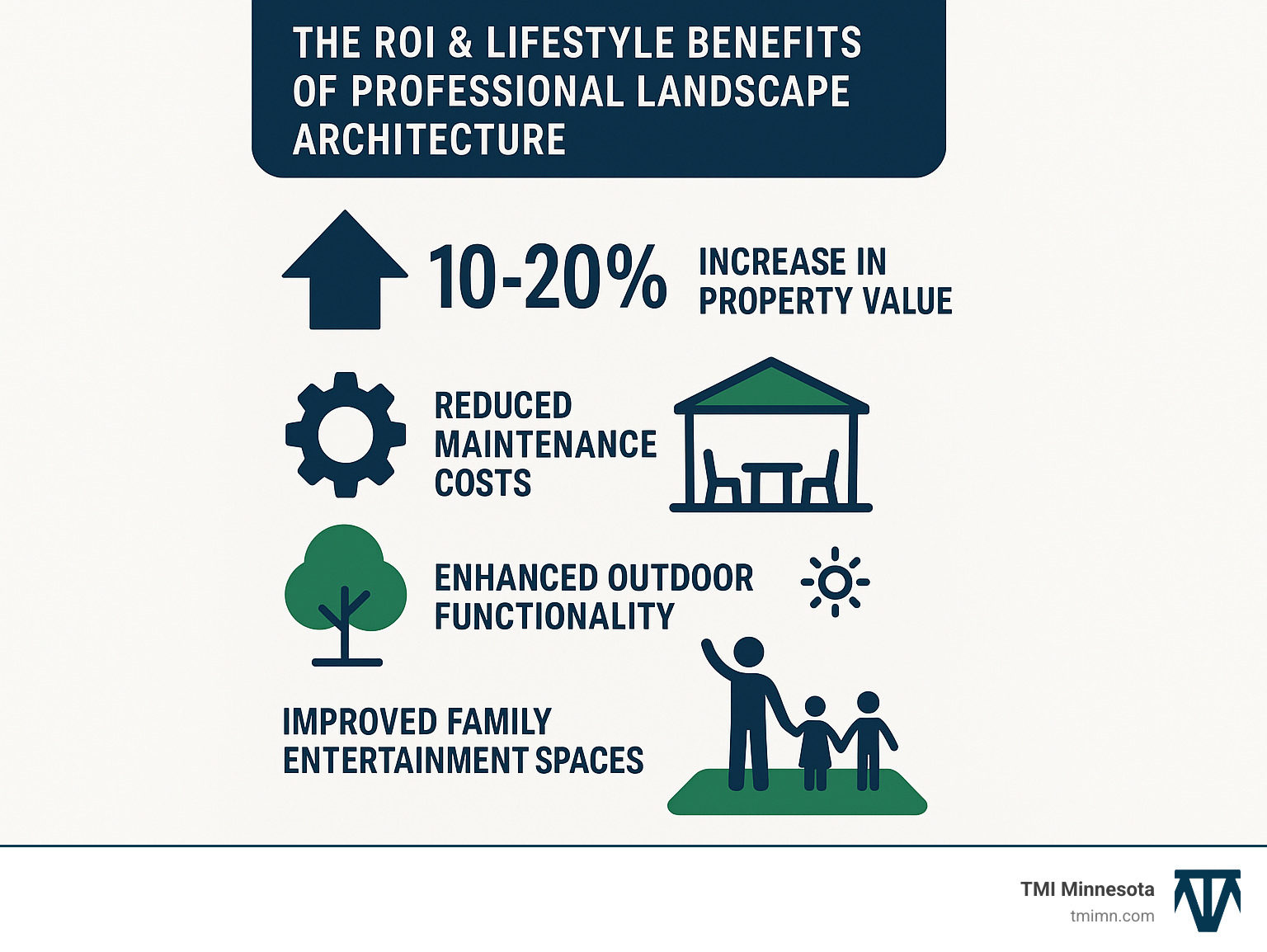
Landscape architecture for homes terms to know:
The Fundamentals of Landscape Architecture for Homes
When we talk about landscape architecture for homes, we’re delving into a world where art meets science to craft outdoor spaces that are both visually appealing and highly functional. At TMI Minnesota, we use foundational design principles to create cohesive and impactful outdoor environments.
Key principles include Proportion (ensuring elements fit the scale of your home), Transition (creating a smooth flow between areas), Unity (using repetition of shapes and materials for a connected feel), Rhythm (creating visual movement with patterns), Balance (achieving stability with symmetrical or asymmetrical layouts), and Focalization (creating a “wow” moment with a special feature).
These principles are brought to life using core design elements:
- Color: Sets the mood, from vibrant to serene.
- Form: The 3D shape of plants and objects, adding structure.
- Texture: Adds depth through varied surfaces, like smooth bark and feathery leaves.
- Line: Directs the eye and defines spaces with paths and bed edges.
- Scale: Ensures every component fits perfectly within the overall design.
These principles and elements are the secret sauce behind every successful landscape project we undertake. You can learn more on our page dedicated to More info about landscaping design.
Understanding Hardscape and Softscape
In landscape architecture for homes, a great design seamlessly blends two key categories:
Hardscape elements are the non-living, structural components that form the backbone of your yard. They define usable spaces and include:
- Patios, Decks, and Walkways: Create living areas and guide movement.
- Retaining Walls: Essential for managing slopes and adding visual interest. We specialize in Retaining Wall Design Services.
- Fences, Pergolas, and Outdoor Kitchens: Provide structure, privacy, and function.
Our team excels at Hardscape Installations that are built to last.
Softscape elements are the living, horticultural components that bring color and life to your space. These include:
- Plants, Trees, and Shrubs: Chosen for their beauty, climate suitability, and seasonal interest.
- Gardens: From vibrant flower beds to productive vegetable patches.
- Lawns: Provide open space for recreation and relaxation.
At TMI Minnesota, we expertly blend hardscape and softscape to create a beautiful, functional extension of your home.
Popular Landscape Styles for Inspiration
Choosing a landscape style sets the tone for your outdoor space. Here are a few popular options we explore with our clients in the Twin Cities:
- Modern: Features clean lines, geometric shapes, and a minimalist palette of materials like concrete and steel.
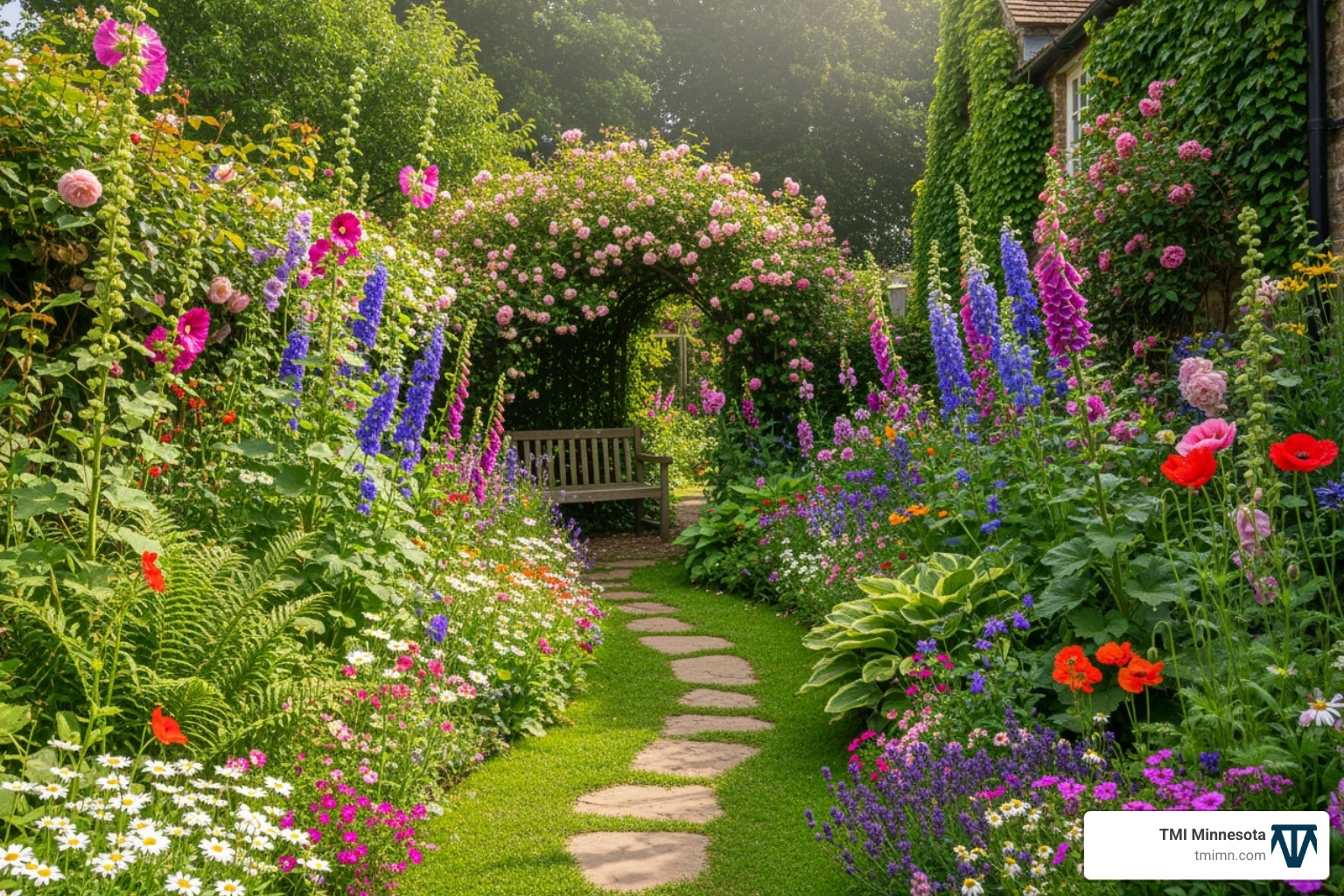
- Cottage: Characterized by a lush, informal mix of flowering perennials and charming pathways for a cozy, timeless feel.
- Mediterranean: Uses warm-toned pavers, stucco, and drought-tolerant plants like lavender to create a relaxed, sun-drenched atmosphere. We offer specialized Drought Resistant Landscaping solutions to adapt this style for Minnesota.
- Zen Garden: Emphasizes simplicity and tranquility with natural elements like raked gravel, stones, and minimal plantings to create a meditative retreat.
Planning Your Residential Landscape Project
A successful landscape architecture for homes project begins with thoughtful planning. Understanding your property’s unique characteristics is the key to creating a space that is both beautiful and sustainable.
First, we conduct a thorough site analysis. This involves observing sun and shade patterns to determine ideal locations for plants and seating areas. We also assess wind patterns, soil type, and drainage to address potential issues and ensure the long-term health of your landscape. Existing features, like mature trees or slopes, are incorporated into the design as unique assets.
Next, we establish a realistic budget. A common guideline is to invest about 10% of your home’s value into landscaping. While professional design plans can range from $2,000 to $8,000 or more, and full installations from $15,000 to $150,000+, this investment can increase your property value by up to 20%.
Finally, we define your goals. How do you want to use the space? Consider your family needs, entertainment style, and relaxation preferences. Whether you envision a play area for kids, a large patio for hosting parties, or a quiet retreat, clear goals ensure the final design perfectly suits your lifestyle. Explore our backyard oasis designs for inspiration.
DIY Planning for Your Home’s Landscape
If you’re inclined to start the planning process yourself, begin with a rough sketch of your property, including the house, trees, and other existing features. Measure everything accurately and transfer it to graph paper to create a scaled base map. Use this map to note sun/shade patterns and other site conditions. From there, you can use bubble diagrams on tracing paper to experiment with different layouts for patios, gardens, and walkways, helping you visualize the flow and function of your future yard. For more ideas, especially for smaller spaces, see our tips on landscape design for small yards.
Choosing the Right Plants
Selecting the right plants is crucial for a thriving, low-maintenance landscape. We follow the “right plant, right place” principle, considering several key factors:
- USDA Hardiness Zone: In the Twin Cities (Zone 4), plants must be able to withstand cold winters.
- Climate & Site Conditions: We account for local sun, wind, and soil conditions.
- Maintenance Level: We can help you choose plants that match your desired level of upkeep.
- Seasonal Interest: A mix of plants ensures your garden looks great year-round, with changing colors, textures, and forms.
- Native Species: We often recommend Native Plant Landscaping because these plants are adapted to our environment, require less care, and support local wildlife.
- Personal Preference: Whether you want a vibrant flower garden or an Edible Garden Landscape, we tailor the plant palette to your tastes.
Bringing Your Vision to Life: Popular Features & Elements
Once the planning is complete, it’s time to bring your vision to life with features that transform your yard into a functional and beautiful outdoor living space. We specialize in creating distinct “rooms” for relaxing, dining, and entertaining. Explore our Outdoor Living Upgrades to see how we can improve your home.
Functional Hardscape Features
Hardscape provides the structure and utility for your outdoor areas. Popular options include:
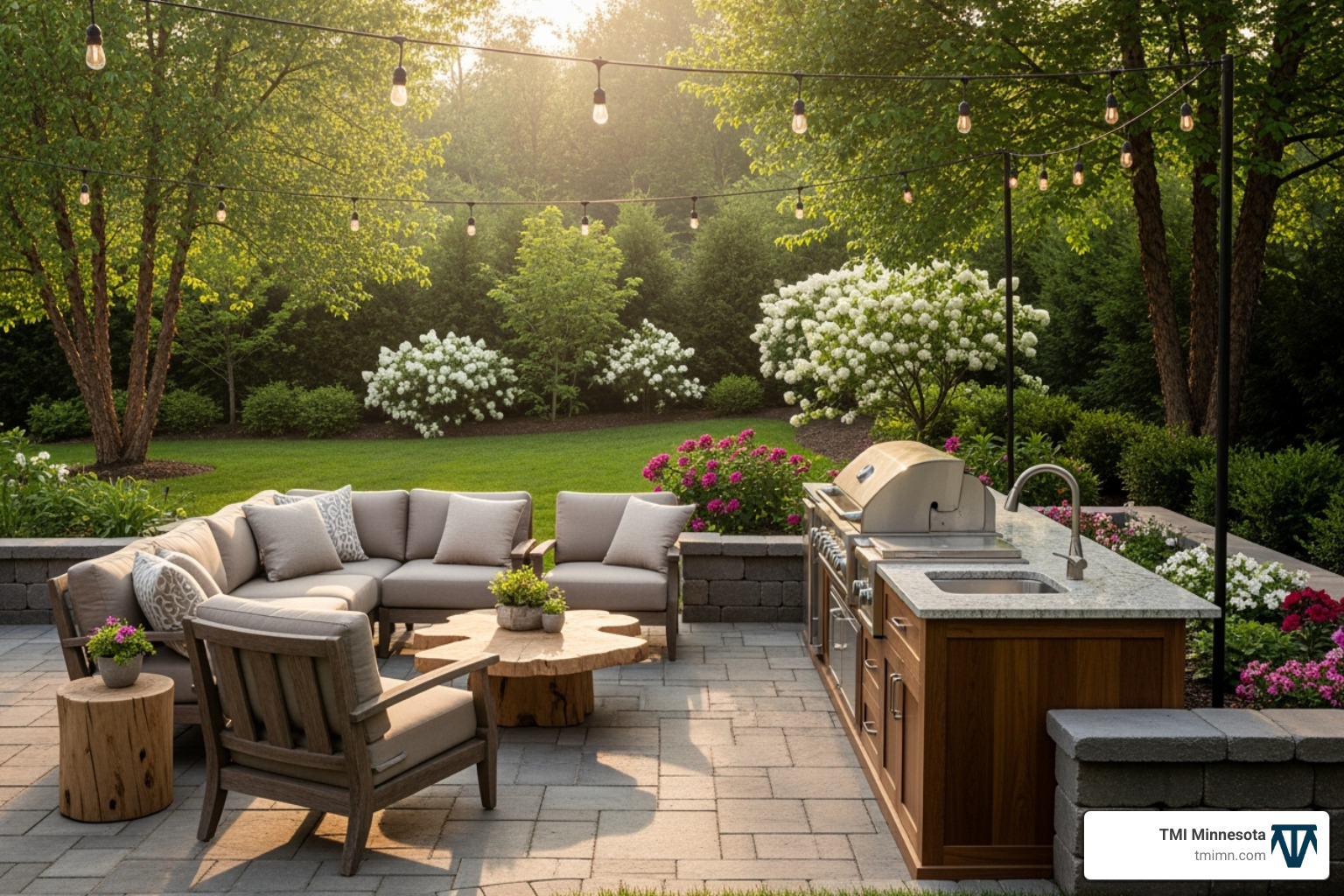
- Outdoor Kitchens: Extend your living space with a custom Outdoor Kitchen Installation for seamless al fresco dining.
- Fire Pits and Fireplaces: Create a natural gathering spot and extend the use of your yard into cooler evenings.
- Patios and Decks: As the foundation of your outdoor room, a well-built patio or deck is essential. We are a Custom Deck Builder specializing in integrated designs.
- Walkways and Paths: Connect spaces and improve curb appeal with thoughtfully designed pathways. Our Patio Design Services often include integrated walkways.
- Pergolas and Arbors: These structures add vertical interest, provide shade, and define outdoor rooms.
These features are key to creating functional and inviting Outdoor Entertainment Spaces.
Aesthetic and Ambiance Elements
These elements add beauty, sensory detail, and personality to your landscape.
- Backyard Water Features: The sound of a fountain or waterfall adds a tranquil, soothing ambiance. See our Backyard Water Features for ideas.
- Landscape Lighting: Extend the enjoyment of your yard after dark, improve safety, and highlight key features. Explore our Landscape Lighting Ideas.
- Garden Art: Sculptures and other decorative pieces can serve as unique focal points that reflect your personal style.
- Privacy Screening: We create seclusion using layered plantings, fences, or decorative screens. Our Backyard Privacy Screens are designed for both beauty and function.
For more inspiration, See award-winning landscape projects for inspiration.
Working with Professionals vs. DIY
When considering landscape architecture for homes, deciding between a DIY approach and hiring a professional is a key first step. While smaller projects can be rewarding to do yourself, professional guidance often prevents costly mistakes and ensures a cohesive, long-lasting result. A well-executed landscape is a significant investment, capable of increasing your property value by up to 20% and offering a return of 125-200%—often higher than kitchen or bathroom remodels.
The Professional Team: Architect vs. Designer vs. Contractor
Understanding the roles of different professionals can help you choose the right expert for your project.
- Landscape Architect: A state-licensed professional with a formal degree, typically focused on large-scale or complex projects involving significant site engineering, grading, and environmental considerations. Learn more about engaging a landscape architect.
- Landscape Designer: Specializes in the aesthetic and functional design of residential spaces. They create detailed plans for plantings, hardscapes, lighting, and other features, translating your vision into a workable design.
- Landscape Contractor: The builder who brings the design to life. They handle all aspects of installation, from building patios and walls to planting trees and installing irrigation systems.
Understanding the Costs
Budgeting for your project involves two main components: design and installation.
- Design Fees: Professional design plans typically range from $2,000 to $8,000 or more, depending on the project’s complexity. This fee covers the expertise required to create a detailed, buildable plan.
- Installation Costs: The cost of labor and materials can range from $15,000 to over $150,000, depending on the scope and materials chosen. At TMI Minnesota, we work with you to create a design that aligns with your budget and goals.
Why Landscape Architecture for Homes Transforms Your Property
Landscape architecture for homes is the professional design and planning of outdoor spaces that combines both beauty and function to create the perfect environment for your family’s lifestyle. Here’s what it includes:
Key Components of Residential Landscape Architecture:
- Hardscape elements – patios, walkways, retaining walls, and outdoor structures
- Softscape elements – plants, trees, gardens, and lawns strategically placed for beauty and function
- Functional features – outdoor kitchens, fire pits, water features, and entertainment areas
- Design principles – unity, balance, and proportion that tie everything together
Benefits You Can Expect:
- Increase property value by 10-20% with professional design
- Create more usable outdoor living space for family gatherings
- Improve curb appeal and first impressions
- Reduce long-term maintenance with proper plant selection
Whether you’re dealing with a small backyard that needs better flow or a large property that feels disconnected, the right landscape design can transform how you use and enjoy your outdoor space. As one homeowner noted after their landscape change: “It is such a pleasure to come home and see his beautiful property now.”
I’m Christopher Deanovic, Operations Leader at TMI Minnesota, where I’ve spent years helping Minnesota families create stunning outdoor environments through thoughtful landscape architecture for homes. My hands-on approach combines innovative design with practical functionality, ensuring every project improves both your lifestyle and property value.
Landscape architecture for homes terms to know:
The Fundamentals of Landscape Architecture for Homes
When we talk about landscape architecture for homes, we’re delving into a world where art meets science to craft outdoor spaces that are both visually appealing and highly functional. At TMI Minnesota, we believe that understanding these fundamentals is the first step to open uping your yard’s full potential. We use six basic principles of landscape design to create cohesive and impactful outdoor environments:
- Proportion: This refers to the size relationship of elements to each other and to the overall space. We ensure that all features, from plants to patios, are scaled appropriately for your property.
- Transition: This principle creates a sense of gradual change, guiding the eye smoothly from one area to another.
- Unity: We achieve unity by thoughtfully repeating forms and elements, such as using similar plants or limiting the variety of materials to create a cohesive design.
- Rhythm: This involves the repetition of an element to create a sense of movement and guide the viewer’s gaze through the landscape.
- Balance: Balance brings stability to a design. It can be symmetrical, with identical elements on either side, or asymmetrical, where different elements hold equal visual weight.
- Focalization: This principle draws attention to a specific point of interest, like a statue or a water feature, preventing visual clutter.
Beyond these principles, we use five basic elements to bring our visions to life: Color to create mood, Form for structure, Texture for variety, Line to direct the eye, and Scale to ensure everything fits together. You can learn more about how we apply these concepts on our page dedicated to More info about landscaping design.
Understanding Hardscape and Softscape
In landscape architecture for homes, we distinguish between two fundamental categories: hardscape and softscape. A great design seamlessly integrates both.
Hardscape elements are the non-living, structural components of your landscape, like the “bones” of your outdoor design. Examples include:
- Patios and Decks: Essential for creating outdoor living and dining areas.
- Walkways and Paths: Guide movement and improve curb appeal.
- Retaining Walls: Crucial for managing slopes and creating level terraces. We specialize in Retaining Wall Design Services.
- Fences, Outdoor Kitchens, and Fire Features: Provide privacy, function, and gathering spots.
Softscape elements are the living, horticultural components that bring life, color, and texture to your space. These include:
- Plants and Trees: Selected for their beauty, climate suitability, and aesthetic contribution.
- Gardens: Vibrant flower beds, productive vegetable patches, or serene rose gardens.
- Lawns: Provide soft, walkable surfaces for play and relaxation.
At TMI Minnesota, we pride ourselves on our Hardscape Installations, ensuring a perfect balance of these two crucial components.
Popular Landscape Styles for Inspiration
Choosing a landscape style sets the tone for your outdoor space. Here are a few popular styles we often explore with our clients:
- Modern Landscape: Features clean lines, geometric shapes, and a minimalist focus on form and structure.
- Cottage Garden: Lush, informal, and abundant with a mix of flowering perennials, climbing roses, and charming pathways.
- Mediterranean Landscape: Inspired by sun-drenched regions, this style uses warm-toned pavers and drought-tolerant plants. We offer specialized Drought Resistant Landscaping solutions to adapt this style for Minnesota.
- Xeriscaping: A design philosophy focused on water conservation through efficient irrigation and drought-tolerant or native plant selection.
- Zen Garden: Emphasizes simplicity and tranquility to create a meditative space using gravel, rocks, and minimal planting.
Planning Your Residential Landscape Project
Creating your dream outdoor space through landscape architecture for homes is a rewarding investment. Success comes from thoughtful preparation and a clear vision, which prevents costly mistakes and ensures you get a design you’ll love for years.
Site Analysis
Before designing, we conduct a thorough site analysis. We study sun and shade patterns to place features correctly, assess wind patterns to create sheltered areas, and test soil type to ensure plants will thrive. We also analyze drainage to prevent water issues and take inventory of existing features and views to incorporate them into the new design.
Budgeting
Understanding the costs is key. Many homeowners invest about 10% of their home’s value in landscaping. Professional design plans typically run $2,000 to $8,000+, while installation costs can range from $15,000 to $150,000 or more, depending on the scope. This is a smart financial decision, as high-quality landscaping can increase property value by 10-20% and often returns 125-200% of its cost.
Setting Goals
Successful projects start with clear goals. We’ll help you consider your family’s needs, whether it’s a safe play area for children, a large space for entertaining, or a quiet spot for relaxation. Defining your entertainment needs and relaxation goals ensures the final design fits your lifestyle. If you dream of creating a backyard oasis, we can craft something that truly transforms your outdoor experience.
DIY Planning for Your Home’s Landscape
If you want to plan your own landscape, start by creating a rough sketch of your property, including the house, trees, and other features. Measure everything accurately and transfer it to graph paper to create a scaled base map. Use bubble diagrams on tracing paper to experiment with different layouts for patios, gardens, and walkways. This process helps you visualize the flow and function of your future yard. For more ideas, especially for small yards, explore our resources.
Choosing the Right Plants
Plant selection follows one golden rule: “right plant, right place.” This ensures your landscape thrives with manageable maintenance.
- USDA Hardiness Zone: For the Twin Cities, we select plants rated for Zone 4a or 4b to survive our winters.
- Climate Considerations: We factor in summer heat, humidity, and wind exposure.
- Maintenance Level: We recommend plants that match your desired level of upkeep.
- Seasonal Interest: A mix of plants provides year-round beauty with changing colors and textures.
- Native Species: Native plant landscaping is a great choice as these plants are adapted to our climate and support local wildlife.
- Personal Preferences: We can incorporate your favorite flowers or even edible garden landscape ideas to make the space uniquely yours.
Bringing Your Vision to Life: Popular Features & Elements
Once the plan is set, it’s time to add the features that transform your yard into a functional and beautiful outdoor living space. We specialize in creating distinct “rooms” for relaxing, dining, and entertaining. Our Outdoor Living Upgrades are all about creating spaces where you can make lasting memories.
Functional Hardscape Features
Hardscape provides the structure and utility for your outdoor areas. Popular options include:
- Outdoor Kitchen Installation: Extend your living space with a custom Outdoor Kitchen Installation for seamless al fresco dining.
- Fire Pits and Fireplaces: Create a natural gathering spot and extend the use of your yard into cooler evenings.
- Patios and Decks: As the foundation of your outdoor room, a well-built patio or deck is essential. We are a Custom Deck Builder specializing in integrated designs.
- Walkways and Paths: Connect spaces and improve curb appeal with thoughtfully designed pathways. Our Patio Design Services often include integrated walkways.
- Pergolas and Arbors: These structures add vertical interest, provide shade, and define outdoor rooms.
These features are key to creating functional and inviting Outdoor Entertainment Spaces.
Aesthetic and Ambiance Elements
These elements add beauty, sensory detail, and personality to your landscape.
- Backyard Water Features: The sound of a fountain or waterfall adds a tranquil, soothing ambiance. See our Backyard Water Features for ideas.
- Landscape Lighting: Extend the enjoyment of your yard after dark, improve safety, and highlight key features. Explore our Landscape Lighting Ideas.
- Garden Art: Sculptures and other decorative pieces can serve as unique focal points that reflect your personal style.
- Privacy Screening: We create seclusion using layered plantings, fences, or decorative screens. Our Backyard Privacy Screens are designed for both beauty and function.
For more inspiration, See award-winning landscape projects for inspiration.
Working with Professionals vs. DIY
When considering landscape architecture for homes, many homeowners face the decision: should we tackle this ourselves, or hire a professional? While a DIY approach can be rewarding for smaller projects, professional guidance can prevent costly mistakes. A high-quality landscape can add up to 20% to your property value and offers a return on investment of 125-200%, far surpassing many interior renovations. This makes professional landscape design a financially astute decision.
The Professional Team: Architect vs. Designer vs. Contractor
Understanding the roles of different landscape professionals is key to choosing the right partner for your project. While their work often overlaps, their qualifications and typical project scopes differ.
| Role | Qualifications & Focus – | |
|---|---|---|
| Landscape Architect | Holds a degree and state license. Focuses on large-scale, complex projects involving site engineering, grading, and environmental planning. | Ideal for large properties or projects with complex drainage or structural needs. |
| Landscape Designer | Specializes in the aesthetic and functional design of residential spaces. Creates detailed plans for plantings, hardscapes, and lighting. | Best for homeowners seeking a creative vision and comprehensive plan for their yard, from concept to completion. |
| Landscape Contractor | The builder who physically installs the landscape design. Expertise lies in construction, planting, and systems installation. | Responsible for all hands-on work, including building patios, walls, and installing plants and irrigation systems. |