
Why Hiring a Landscaping Architect Makes All the Difference
A landscaping architect is a licensed professional who combines science and design to create healthy, safe, and beautiful outdoor spaces. Unlike basic landscapers, these professionals hold degrees in landscape architecture, must pass a national exam, and are licensed like doctors and engineers.
Quick Answer: What Does a Landscaping Architect Do?
– Site Analysis: Study soil, drainage, climate, and existing features
– Design Plans: Create detailed drawings using CADD and GIS software
– Construction Oversight: Ensure projects meet specifications and codes
– Stormwater Management: Design systems for water conservation and runoff
– Plant Selection: Choose appropriate species for your climate zone
– Project Management: Coordinate with contractors and other professionals
The median salary for landscape architects is $79,660 annually, reflecting their specialized expertise. They work on everything from Central Park-style public spaces to intimate residential gardens. Their training covers soil science, ecology, urban planning, and construction methods – far beyond simple plant placement.
Whether you’re planning a backyard renovation or a complete property change, understanding what these professionals bring to your project helps you make better hiring decisions.
As Christopher Deanovic, Operations Leader of Task Masters in Minnesota, I’ve worked alongside landscape architects on countless projects, witnessing how their scientific approach transforms ordinary outdoor spaces into functional, beautiful environments.
Landscaping architect glossary:
– Hardscape design services
– Landscape lighting ideas
– Tree planting services
What a Landscaping Architect Brings to Your Project
The story of landscape architecture begins with Frederick Law Olmsted, who first used the title “landscape architect” when he designed Central Park’s famous Greenswald Plan in 1858. Today’s landscaping architects carry on this legacy with modern scientific tools and environmental knowledge.
What makes these professionals special isn’t just their eye for beauty – it’s their ability to solve complex environmental puzzles while creating stunning outdoor spaces. When you see those letters PLA (Professional Landscape Architect) after someone’s name, you know they’ve earned the right through rigorous education and testing.
This is officially a STEM profession – Science, Technology, Engineering, and Mathematics. Your landscaping architect brings serious technical expertise to your project. They work with urban planners, civil engineers, and architects to ensure everything fits together perfectly and meets all regulations.
With a median annual salary of $79,660, these professionals earn more than basic landscapers because they bring specialized knowledge that saves you money long-term. Their work contributes to important scientific research on green infrastructure benefits, especially helping communities adapt to climate change.
Core Services of a Landscaping Architect
When you hire a landscaping architect, you’re getting a full toolkit of services that go way beyond picking plants.
Site analysis and planning is where every great project starts. Your professional will test your soil, study water movement, and figure out what plants are thriving or struggling. They use Geographic Information Systems (GIS) to map everything from drainage patterns to sun exposure.
Grading and drainage solutions might not sound exciting, but they’re critical. Nobody wants water pooling against their foundation. Licensed professionals design slopes and drainage systems that guide water exactly where it needs to go, often incorporating rain gardens that help the environment.
Plant selection and design is where science meets art. While regular landscapers might choose plants because they look nice, a landscaping architect considers climate zones, soil chemistry, mature size, and wildlife benefits. They’re thinking about your landscape’s future, not just next month.
Construction documentation involves creating detailed blueprints using Computer-Aided Design and Drafting (CADD) software. These precise construction drawings tell contractors exactly what to build, preventing costly mistakes.
Construction oversight means your professional can seal construction documents and watch over installation. They ensure contractors follow plans correctly and meet all local building codes, protecting your investment.
Maintenance planning creates long-term care schedules that keep your landscape looking amazing for years. They’ll tell you when to prune, what to replace, and how to adapt as plants grow.
Licensure Path & Credentials
Understanding what it takes to become a licensed landscaping architect helps you appreciate the expertise you’re hiring.
Education comes first – all 50 states require degrees from programs accredited by the Landscape Architectural Accreditation Board (LAAB). Most professionals have bachelor’s degrees, though many pursue master’s degrees.
Professional experience follows graduation, with about four years of supervised work under a licensed landscape architect. Think of it as an apprenticeship where graduates learn to apply classroom knowledge to real challenges.
The national examination is a comprehensive test called the Landscape Architect Registration Examination (LARE). It covers design principles, construction methods, and professional ethics.
Continuing education never stops. Licensed professionals must complete ongoing training to maintain credentials, staying current with new technologies and regulations.
| Service Area | Licensed Landscaping Architect | Unlicensed Landscaper |
|---|---|---|
| Site Analysis | Comprehensive soil, drainage, climate assessment | Basic visual inspection |
| Design Documentation | Sealed construction drawings, specifications | Simple sketches or plans |
| Code Compliance | Ensures all work meets local regulations | May not understand permit requirements |
| Professional Liability | Carries insurance, legally accountable | Limited recourse if problems arise |
| Long-term Planning | Designs for 20+ year plant maturity | Focus on immediate appearance |
| Stormwater Management | Engineered solutions for runoff control | Basic drainage considerations |
The difference between working with a licensed landscaping architect and an unlicensed landscaper is like the difference between having a doctor and a first-aid volunteer treat a serious injury.
Signature Project Types & Community Value
Landscaping architects create magic in spaces both big and small. Whether designing a cozy backyard retreat or a sprawling city park, these professionals turn ordinary land into something extraordinary that serves people for generations.
Well-designed landscapes can boost property values by 5-15%, but that’s just the beginning. These outdoor spaces clean our air, cool down hot city streets, and give wildlife a place to call home.
The American Society of Landscape Architects hands out awards each year to celebrate the best projects. In 2024, just the Maryland Chapter recognized twenty-seven outstanding firms and individuals.
Take Shoreview, Minnesota, for example. In the early 1990s, the city council bought 40 acres for a community gathering space. Today, that investment continues paying dividends as families create memories in a thoughtfully designed environment.
At TMI Minnesota, we love working alongside landscaping architects on projects that combine our hardscape design services with their overall vision. We’ve seen how their scientific approach prevents expensive mistakes and ensures every element works together beautifully.
Parks, Trails & Town Greens
Public spaces are where landscaping architects really flex their community-building muscles. These aren’t just pretty places to walk – they’re environmental workhorses that make our cities healthier and more livable.
Modern parks do heavy lifting behind the scenes. The plants aren’t just there to look nice; they’re carefully chosen pollution fighters that clean the air we breathe. They also act like natural air conditioners, cooling things down through evapotranspiration.
Accessibility matters deeply in public design. Every licensed professional understands ADA requirements inside and out. They design pathways, seating, and play areas that welcome everyone, regardless of physical abilities.
The ASLA awards showcase incredible innovation year after year. Projects like Dallas’s Klyde Warren Park, which won the 2017 Professional General Design Award of Excellence, prove that skilled landscaping architects can transform neglected urban areas into community magnets.
Nature-based play areas are becoming increasingly popular. Instead of plastic playground equipment, these designs use natural materials and landforms. Kids climb real rocks, balance on logs, and connect with nature while developing motor skills.
Residential Oases: Softscape vs. Hardscape
Home is where the heart is, and landscaping architects know how to extend that heart into your backyard. These projects create outdoor living rooms and private retreats that feel like natural extensions of your home.
Privacy plantings require more strategy than you might think. It’s not just about blocking the neighbor’s view – it’s about creating natural screens that don’t feel like prison walls. The right landscaping architect selects plants based on mature size and growth patterns to create privacy that evolves beautifully over time.
Outdoor kitchens and entertainment areas have exploded in popularity. These spaces need proper utilities, smart drainage, and materials that handle weather. The design must work with sun patterns, wind direction, and natural sight lines.
Fire features extend your outdoor season and create natural gathering spots. But safety comes first. Licensed professionals understand fire codes, proper clearances, and fuel storage requirements.
We work on many projects at TMI Minnesota that start with landscaping architect designs. Our softscape designer services build on their plant expertise, while our landscape renovation services help keep designed landscapes looking their best as they mature.
The secret to great residential design is understanding how families really live outdoors. Experienced landscaping architects ask detailed questions about your lifestyle and maintenance preferences. They design spaces that fit your life, not some magazine fantasy.
How to Hire the Right Landscaping Architect

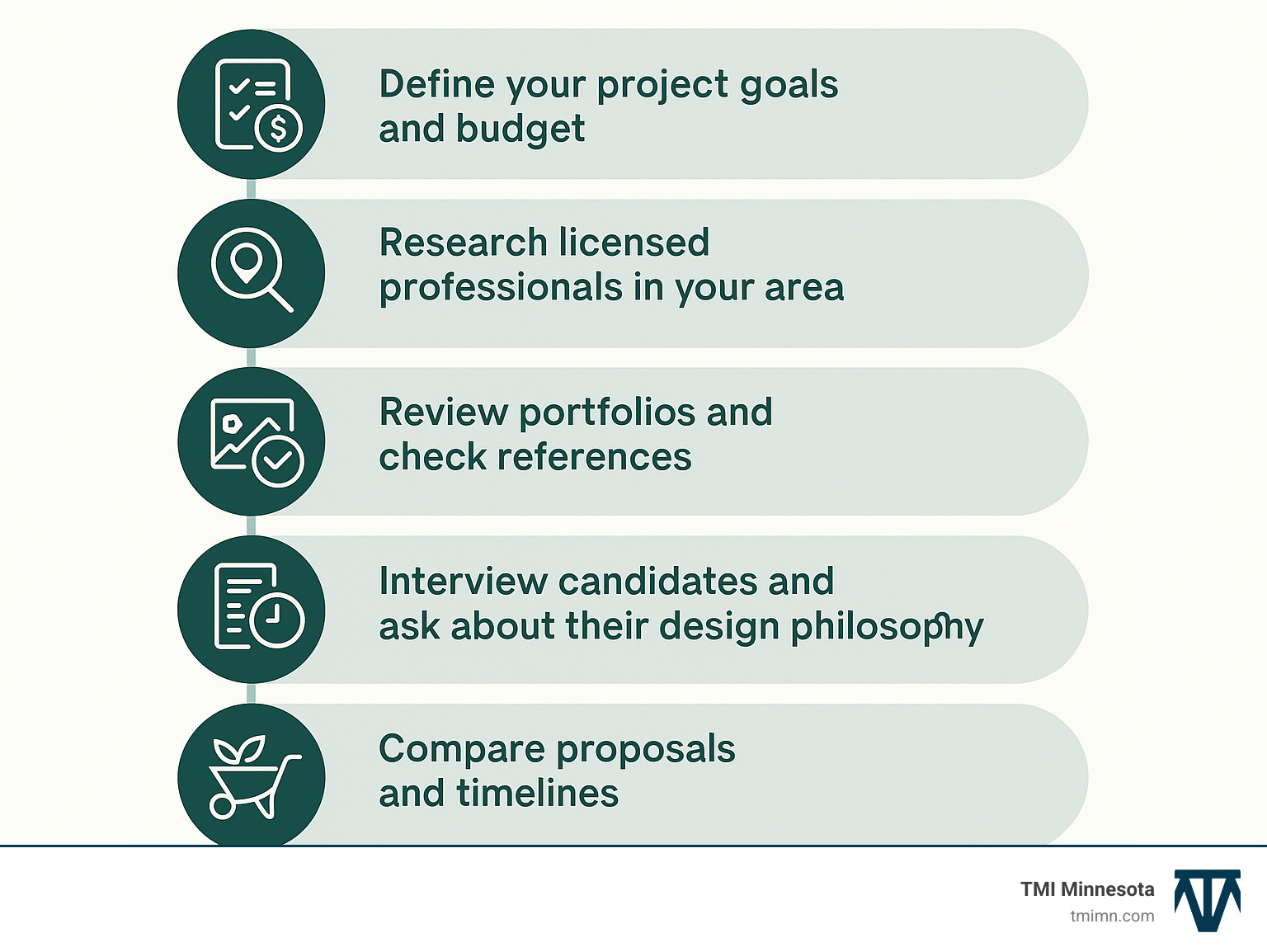
Finding the perfect landscaping architect for your project doesn’t have to feel overwhelming. Think of it like hiring any other professional – you want someone who understands your vision, fits your budget, and has the skills to make it happen.
Budget setting comes first: most landscaping architects charge 10-15% of your total project cost for design services. So if you’re planning a $50,000 landscape makeover, expect to invest $5,000-7,500 in professional design. It’s a significant investment, but it’s insurance against costly mistakes.
RFP preparation is just getting your thoughts organized before making calls. Write down your budget range, timeline, specific challenges, and style preferences. Being upfront about your budget helps everyone – experienced professionals can work magic within realistic constraints.
Portfolio review is where the fun begins. Look through their past projects and ask: Do they handle projects like mine? Do I like their style? Can they solve tricky problems creatively?
Contracts and billing arrangements vary widely. Some professionals work hourly, others prefer fixed fees. Make sure you understand what’s included in the base fee and what counts as extras.
Insurance verification protects everyone involved. Licensed landscaping architects should carry both professional liability and general liability coverage. Don’t be shy about asking to see current certificates.
The profession continues evolving with new technology. AI’s Impact on Landscape Architecture shows how artificial intelligence is changing design processes.
Key Questions to Ask Your Landscaping Architect
The right questions reveal whether a landscaping architect is the right fit for your project. Start with their design philosophy by asking how they balance beautiful design with environmental responsibility. Strong candidates will talk about working with your site’s natural conditions.
Ask about their sustainability approach and what they do to create low-maintenance, environmentally friendly landscapes. You want to hear about native plants, water conservation, healthy soil practices, and natural pest management.
Project timeline questions help you plan your life around the project. Ask about their typical process from first meeting to final installation.
For larger projects, ask about community engagement and how they handle input from multiple stakeholders. This reveals their project management skills.
Don’t forget to ask for problem-solving examples. Every project has challenges, and you want someone who can think creatively when problems arise.
Red-Flag Warning Signs
Some warning signs should send you looking elsewhere immediately. No license tops the list – anyone calling themselves a landscaping architect without proper credentials is breaking the law and putting you at risk.
Vague scope descriptions suggest either inexperience or disorganization. Professionals should clearly explain their services, timeline, and what you’ll receive.
Unrealistic budget promises are another red flag. If someone promises magazine-worthy landscapes for bargain prices, they’re either inexperienced or planning to cut corners.
Lack of references from recent clients suggests possible problems with previous projects. Established professionals are proud to share success stories.
Pressure tactics to sign immediately or discouraging you from interviewing other candidates often indicates insecurity about their abilities.
Finally, no insurance puts you at serious financial risk. Without proper insurance coverage, you could be liable for damages if something goes wrong.
Cutting-Edge Trends & Tools in Landscape Architecture
The world of landscaping architect services is changing faster than ever before. Climate change, new technology, and environmental awareness are pushing professionals to think differently about outdoor spaces.
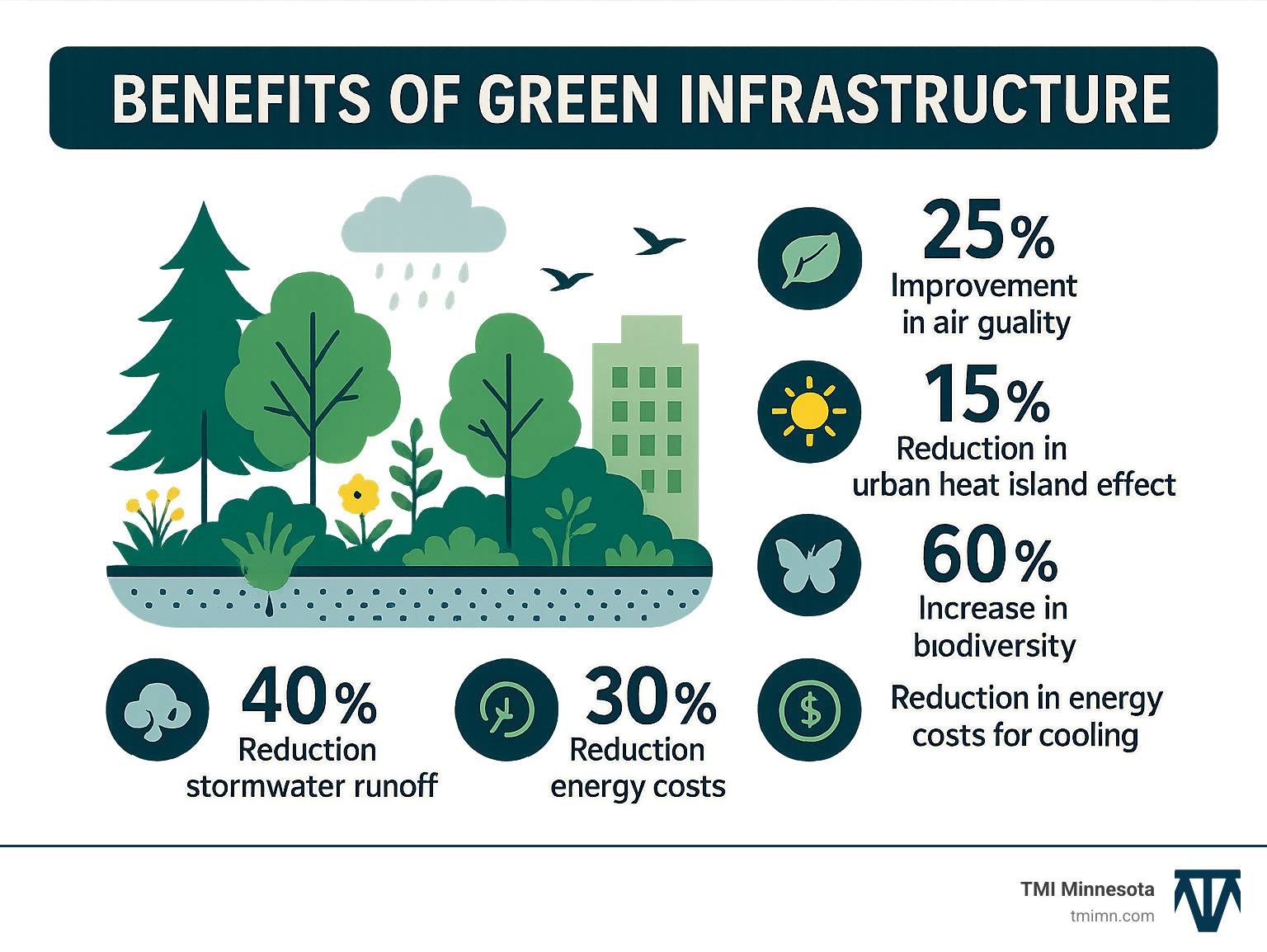
Green infrastructure has become the new standard for managing water. Instead of rushing rainwater into storm drains, today’s landscaping architects create beautiful rain gardens and bioswales that naturally filter runoff. These systems prevent flooding while creating stunning landscape features.
Nature-based solutions tackle multiple problems at once. A single well-designed project might include trees that store carbon, native plants that feed pollinators, and constructed wetlands that clean stormwater.
Digital twins sound futuristic, but they’re helping landscaping architects right now. These virtual models let professionals test different design ideas and see how they’ll perform in real weather conditions.
Climate-resilient design prepares your landscape for tomorrow’s weather, not just today’s. Smart professionals choose plants that can handle more heat, changing rainfall patterns, and severe storms.
Recycled materials are becoming mainstream in high-end design. Today’s landscaping architects create stunning features using recycled concrete, reclaimed wood, and repurposed materials.
Smart irrigation systems represent a game-changer for water conservation. These systems use weather forecasts, soil sensors, and plant-specific data to water precisely when needed. Homeowners see 30-50% reductions in water bills while maintaining healthier plants.
At TMI Minnesota, we’ve acceptd these innovations in our sustainable landscaping techniques. Working alongside forward-thinking landscaping architects, we implement cutting-edge designs using the latest materials and methods.
Technology Spotlight: From Drones to VR Walk-Throughs
The technology tools available to landscaping architects today would have seemed impossible just ten years ago. These innovations create better outcomes for everyone involved.
Building Information Modeling (BIM) integration ensures landscape designs work perfectly with your home’s architecture and existing utilities. No more surprise conflicts during construction.
Geographic Information Systems (GIS) give professionals incredible insight into your property. They can map drainage patterns, identify heat pockets, analyze soil conditions, and spot environmental factors that affect plant success.
Drone technology has revolutionized site analysis and project monitoring. Aerial views reveal drainage issues, access challenges, and opportunities that ground-level inspections might miss.
Virtual Reality (VR) presentations let you walk through your future landscape before construction begins. Instead of struggling to understand flat drawings, you can experience exactly how spaces will feel and function.

Realtime 2D/3D visualization software streamlines the entire design process. Professional tools now include libraries with over 8,000 plant images and 1,100 detailed 3D models. The most exciting feature shows how your landscape will look from 3 months to 20 years in the future.
Augmented Reality (AR) applications bring proposed designs into your actual space. Point your phone at your current yard and see exactly how new plants, patios, or features will look in reality.
These technological advances don’t replace the expertise of a skilled landscaping architect – they improve it. The combination of professional knowledge and cutting-edge tools creates landscapes that are more beautiful, functional, and sustainable than ever before.
Frequently Asked Questions about Landscaping Architects
What is the difference between a landscaper and a landscaping architect?
Think of it this way: asking a landscaper to design your complex outdoor space is like asking a carpenter to design your house. Both are skilled professionals, but they have very different training and expertise.
A landscaping architect is essentially an outdoor engineer with an artistic eye. They’ve earned degrees from accredited programs, completed years of supervised experience, and passed rigorous national exams. Their education covers soil science, water management, plant biology, and construction methods – not just how things look, but how they work.
These professionals can legally seal construction documents, ensure your project meets local codes, and take responsibility for their designs. When something goes wrong, they’re legally accountable and carry insurance to protect you.
Traditional landscapers excel at installation and maintenance. Many are incredibly skilled at planting, building patios, and keeping gardens healthy. But they typically don’t have the scientific training to solve complex drainage problems or design stormwater systems that prevent flooding.
The pay difference tells the story too. Landscaping architects earn a median of $79,660 annually because they bring specialized expertise that prevents expensive mistakes. You’re not just paying for design – you’re paying for engineering knowledge that protects your investment.
How early should I engage a landscaping architect in my project?
The earlier, the better – seriously. I’ve seen too many homeowners make costly decisions before consulting a professional, then spend twice as much fixing problems that could have been avoided.
For new construction, bring in a landscaping architect before your house foundation is poured. They can influence where your driveway goes, how your utilities are routed, and even which direction your house faces. These decisions affect your landscape possibilities for decades.
Renovation projects need professional input before you start ripping things out. That overgrown shrub you hate might actually be preventing erosion. The “ugly” slope you want to flatten might be protecting your basement from flooding. An experienced eye can spot these issues before they become expensive surprises.
Good design takes time, and rushing leads to regrets. Allow at least 2-4 weeks for initial design development, plus another 2-4 weeks for detailed construction plans. Complex projects with drainage issues or steep slopes need even more planning time.
At TMI Minnesota, we’ve worked on too many projects where homeowners wished they’d consulted a landscaping architect earlier. The ones who plan ahead always end up happier with their results and spend less money overall.
Do I need a landscaping architect for small yards or DIY makeovers?
Small doesn’t mean simple. Some of the trickiest problems we encounter are in tiny yards where every square foot matters and mistakes are expensive to fix.
Site challenges don’t care about your yard size. Poor drainage can flood a small basement just as easily as a large one. Steep slopes erode whether they’re 10 feet or 100 feet long. Clay soil kills plants in small gardens just like big ones.
Your budget actually benefits from professional input on small projects. A few hours of consultation can prevent plant choices that outgrow their space in three years. It can identify drainage solutions that cost hundreds instead of thousands. Professional guidance helps you spend money on changes that actually improve your outdoor living.
Plant selection becomes even more critical in small spaces. Every plant choice matters when you only have room for a dozen. Choose wrong, and you’re stuck with maintenance headaches or expensive replacements. Choose right, and your small space becomes a perfect outdoor retreat.
Even simple projects can bump into permit requirements or homeowner association rules. Professionals know these regulations and can design around them from the start.
For basic maintenance like weeding or mulching, you probably don’t need professional design help. But if you’re moving dirt, installing drainage, or adding permanent features, a consultation protects your investment and saves headaches later.
Conclusion
Creating beautiful, functional outdoor spaces has never been more important than it is today. A skilled landscaping architect brings the expertise to design landscapes that work hard for you – delivering beauty, environmental benefits, and long-term value all at once.
When you invest in professional design services, you’re not just paying for pretty pictures. You’re getting future-proof landscapes that adapt to changing climate conditions, require less maintenance over time, and actually increase in value as plants mature. The initial design investment typically pays for itself through reduced water bills, fewer plant replacements, and increased property values.
The benefits go far beyond your property lines too. Well-designed landscapes improve air quality for your whole neighborhood, manage stormwater naturally, and create habitat that supports local wildlife.
One of the biggest advantages of working with a licensed landscaping architect is having a single point of contact who understands every aspect of your project. They coordinate site analysis, design development, construction documentation, and installation oversight.
At TMI Minnesota, we’ve spent years building strong relationships with talented landscaping architects throughout the Twin Cities region. Our experience implementing their innovative designs has taught us how proper planning prevents problems and creates outdoor spaces that truly transform how families live and entertain.
We understand the local climate challenges, soil conditions, and seasonal considerations that make Minnesota landscapes unique. When we work from professionally designed plans, we can focus on what we do best – bringing those designs to life using leading-edge products and proven installation techniques.
Whether you’re dreaming of an intimate garden retreat or planning a complete property change, starting with professional design creates the foundation for success. The expertise of a licensed landscaping architect ensures your vision becomes reality while avoiding costly mistakes that plague DIY projects.
Ready to find what’s possible for your outdoor space? Contact a landscape architect today and take the first step toward creating the yard you’ve always wanted. Your future self will thank you for making this smart investment in professional design services.