
Why Pet Friendly Landscape Design Matters for Your Family
Pet friendly landscape design creates outdoor spaces where both your furry family members and humans can safely enjoy the yard together. With over 65% of U.S. households owning pets, designing landscapes that accommodate four-legged friends has become essential for modern homeowners.
Quick Pet-Friendly Yard Essentials:
– Safety First: Remove toxic plants, secure fencing, provide shade and water
– Zoning: Create designated areas for eating, sleeping, playing, and potty breaks
– Materials: Choose paw-safe surfaces like pea gravel, decomposed granite, or pet-tolerant grass
– Plants: Select non-toxic options like lavender, sunflowers, and ornamental grasses
– Features: Add comfort elements like shade structures, water stations, and play areas
As one expert noted: “Our gardens are never solely for us, and we like it that way—we share them with wildlife, friends, family and, most importantly, our pets.” The key is creating a space that protects your pets from landscaping hazards while protecting your landscape from pet damage.
Whether you’re dealing with yellow urine spots on your lawn, worried about toxic plants, or simply want to create a fun outdoor environment for your dog, the right design approach makes all the difference. A well-planned pet-friendly yard reduces maintenance headaches while giving your pets safe spaces to exercise, explore, and relax.
I’m Christopher Deanovic, Operations Leader at Task Masters, where I’ve helped countless Minnesota families transform their outdoor spaces into beautiful, functional environments through thoughtful pet friendly landscape design. My hands-on approach combines innovative design with practical solutions that work for both pets and their owners.

Quick pet friendly landscape design definitions:
– backyard privacy solutions
– landscape design for small yards
– creative outdoor play spaces
Safety First: Pet-Proof Yard Basics
Your furry family member’s safety should be the cornerstone of any pet friendly landscape design. Think of this as creating a protective bubble around your pet—similar to childproofing your home, but with four-legged explorers in mind.
Start by taking a slow walk around your entire property with fresh eyes. Look for potential escape routes, hidden dangers, and anything that might catch your pet’s attention in ways you hadn’t considered. As we tell our clients at TMI Minnesota, the best approach is to “think like your dog” when scanning for hazards.
Your pets will inevitably find that one loose board in the fence or find the exact spot where they can squeeze under a gate. The key is getting ahead of their curiosity with thoughtful planning and secure boundaries.
Secure Boundaries & Barriers
A solid fence forms the backbone of pet safety, but it’s not just about throwing up any barrier. Most dog owners need a 6-foot privacy fence for reliable containment, especially with larger or athletic breeds that view a 4-foot fence as merely a warm-up exercise.
The real challenge isn’t just keeping your pet in—it’s preventing the various creative escape methods they’ll inevitably attempt. Digging ranks as the most common fence defeat strategy. Combat this by installing a concrete footer or burying chicken wire 6-12 inches below your fence line. Placing 2-4 inch cobblestones along the fence perimeter also discourages digging while looking intentional and attractive.
Visibility matters too. Consider adding “fence windows” or decorative portholes at your pet’s eye level. This simple feature lets curious dogs safely observe neighborhood activity, which often reduces the destructive behavior that comes from boredom and frustration.
For front yards or areas where you want some visual connection to the street, choose fencing with 4-6 inch gaps between boards. Your pet stays contained while being able to see what’s happening beyond their territory, which actually helps reduce anxiety and territorial barking.
We recommend steering clear of invisible electric fences. They create a false sense of security since they don’t prevent other animals from entering your yard, and determined dogs will often power through the shock when sufficiently motivated. For comprehensive boundary solutions that work for both humans and pets, explore our backyard privacy solutions.
Toxic Threats to Avoid
Plant toxicity represents one of the most serious—and often overlooked—dangers in pet landscape design. While most dogs aren’t particularly interested in munching on landscaping, it’s far safer to eliminate known toxic species entirely rather than hope your pet won’t be curious.
Sago palms top the danger list. Every part of this popular ornamental plant contains compounds that can cause liver failure in dogs. Azaleas and rhododendrons may look beautiful in spring, but they can trigger vomiting, diarrhea, and dangerous heart rhythm problems. Hydrangeas contain cyanide compounds, while lilies pose an especially serious threat to cats, potentially causing kidney damage.
Beyond plants, landscape materials themselves can be hazardous. Cocoa mulch smells appealing to dogs because it contains theobromine—the same compound that makes chocolate toxic to pets. Slug and snail baits often contain metaldehyde, which is highly poisonous, and chemical fertilizers can burn paw pads and cause illness if ingested.
Before adding any new plants to your landscape, check the ASPCA plant list for safety information. When in doubt, choose a different plant or place questionable species in areas your pets can’t reach.
Smart storage practices make a huge difference in preventing accidents. Keep all garden chemicals, fertilizers, and pest control products in locked cabinets. Allow liquid treatments to dry completely before letting pets back into treated areas, and consider switching to organic alternatives whenever possible to minimize chemical exposure risks.
Your goal is creating a space where your pets can explore freely without you constantly worrying about what they might get into. With proper planning and hazard removal, your pet friendly landscape design becomes a safe haven for the whole family.
Pet Friendly Landscape Design Essentials
Creating a successful pet friendly landscape design starts with understanding how your furry family members naturally behave outdoors. Dogs especially have predictable patterns—they love to patrol, explore, play, and claim their favorite spots. The secret is working with these instincts instead of fighting them.
Think of your yard like a well-organized house. Just as you have a kitchen for eating and a bedroom for sleeping, your outdoor space needs distinct zones for different pet activities. This approach helps manage your pet’s behavior while protecting your beautiful landscape from unnecessary wear and tear.
Zoning the Yard: Eat, Sleep, Play, Potty
The most effective pet friendly landscape design divides your yard into four essential zones that match your pet’s daily routine.
Your play zone should claim the largest chunk of space since this is where the magic happens. Dogs need room to run, chase toys, and burn off energy. Choose durable surfaces here that can handle paws scrambling for traction during an intense game of fetch. Consider adding simple agility features like a tunnel or ramp—even a basic sandbox can become an exciting digging station that saves your flower beds.
The rest zone is your pet’s outdoor living room. Dogs love spots where they can survey their kingdom while staying comfortable. Position these areas with natural shade and wind protection. Many pets instinctively choose liftd spots or corners where they can watch the whole yard—accept this by creating cozy lounging areas in these naturally preferred locations.
Your potty zone deserves thoughtful placement in a discrete but accessible area. Use materials like decomposed granite or pea gravel that drain well and clean easily. This zone doesn’t need to be large, but it should be consistent and convenient for both you and your pet.
Here’s something many homeowners don’t expect: your dog will create patrol paths whether you plan for them or not. Dogs naturally walk along fence lines and property edges, wearing down grass and creating muddy tracks. Instead of constantly reseeding these areas, accept the patrol route by installing attractive pathways using flagstone, pavers, or gravel.
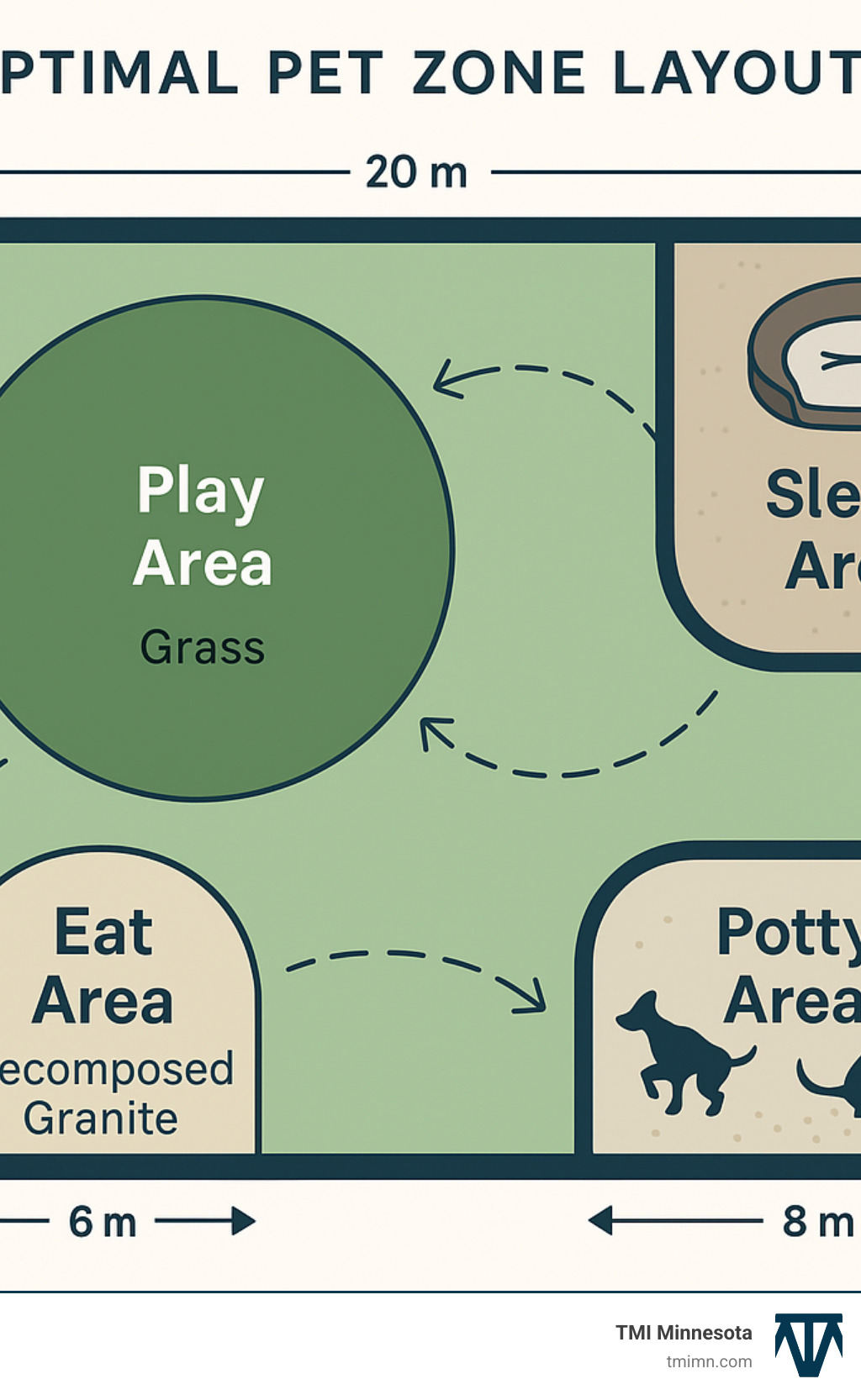
The beauty of zone training is that most dogs adapt quickly when you’re consistent. Start with the potty area—take your dog there on leash and reward them for using the right spot. Within a few weeks, they’ll head there automatically.
Hardscape & Softscape Harmony
The magic of great pet friendly landscape design happens when hard and soft materials work together seamlessly. Your hardscape elements provide the bones—durable surfaces that handle heavy use and clean up easily. Your softscape elements add the beauty and comfort that make the space inviting for both pets and people.
Pea gravel ranks as our top hardscape choice because it feels comfortable under paws while offering excellent drainage. It’s also surprisingly easy to clean with a simple hose rinse. Decomposed granite comes in beautiful natural colors and creates smooth, stable surfaces that work well for pathways and play areas.
For larger surfaces, consider rounded river rock or smooth flagstone pavers. These materials stay cooler than dark stones and won’t bruise sensitive paw pads like sharp angular gravel can.
Avoid lava rock entirely—some dogs try to eat it, which can cause serious digestive problems. Also skip dark-colored stones that turn into hot plates during summer afternoons.
The key to successful material selection is thinking about temperature and texture from your pet’s perspective. Light-colored materials reflect heat instead of absorbing it. Smooth surfaces feel better on paws than rough or sharp textures.
When we design hardscape and softscape combinations, we focus on creating smooth transitions between different areas. A decomposed granite pathway might flow into a mulched play zone, then transition to a grassy lounging area. These gentle changes prevent tripping and create a cohesive look that feels natural.
Our softscape services include many plant options that bounce back quickly from pet activity while maintaining their beauty throughout the seasons. The goal is creating outdoor spaces where your pets can be themselves without you constantly worrying about damage or safety.
Choosing Plants & Groundcovers Pets Can Enjoy
The heart of any successful pet friendly landscape design lies in selecting plants that create a beautiful garden while keeping your furry family members safe. After years of helping Minnesota families create stunning pet-safe landscapes, I’ve learned that the best approach combines safety with practicality—choosing plants that can handle the occasional game of chase or curious nibble.
The secret is focusing on non-toxic species that naturally complement your pets’ behavior rather than fighting against it. Think of your plants as teammates in creating an outdoor space where everyone can thrive together.
Safe, Non-Toxic Stars
When I design pet-friendly gardens, I always start with what I call the “tried and true” plants—species that have proven themselves safe and durable in countless Twin Cities yards. These plants not only protect your pets but actually improve their outdoor experience.
Lavender tops my list of pet-safe superstars. This fragrant perennial naturally repels fleas while creating a calming atmosphere that many pets seem to enjoy. I often plant it along pathways where dogs naturally walk, so they brush against it and pick up the beneficial oils.
Coneflowers (Echinacea) are another Minnesota favorite that works beautifully in pet landscapes. These native perennials handle our harsh winters perfectly, attract beneficial pollinators, and recover quickly if an excited dog happens to run through them. Their sturdy stems and deep roots make them nearly indestructible.
For families who want dramatic height and visual interest, sunflowers provide safe entertainment value. Many dogs enjoy watching birds visit the seed heads, and the thick stalks can handle some investigation from curious pets. Marigolds offer bright color while naturally deterring garden pests—a win-win for both pets and plants.
When it comes to shrubs, spiraea and lilac have earned their place in Minnesota gardens through decades of reliable performance. Spiraea grows quickly and produces masses of spring flowers, while lilacs provide that classic Minnesota fragrance we all love. Both species are completely safe for pets and tough enough to handle nearby play sessions.
Ornamental grasses like fountain grass and native sedges add movement and texture while requiring minimal maintenance. These plants naturally bend rather than break when pets run past them, making them perfect for border areas between play zones and flower beds.
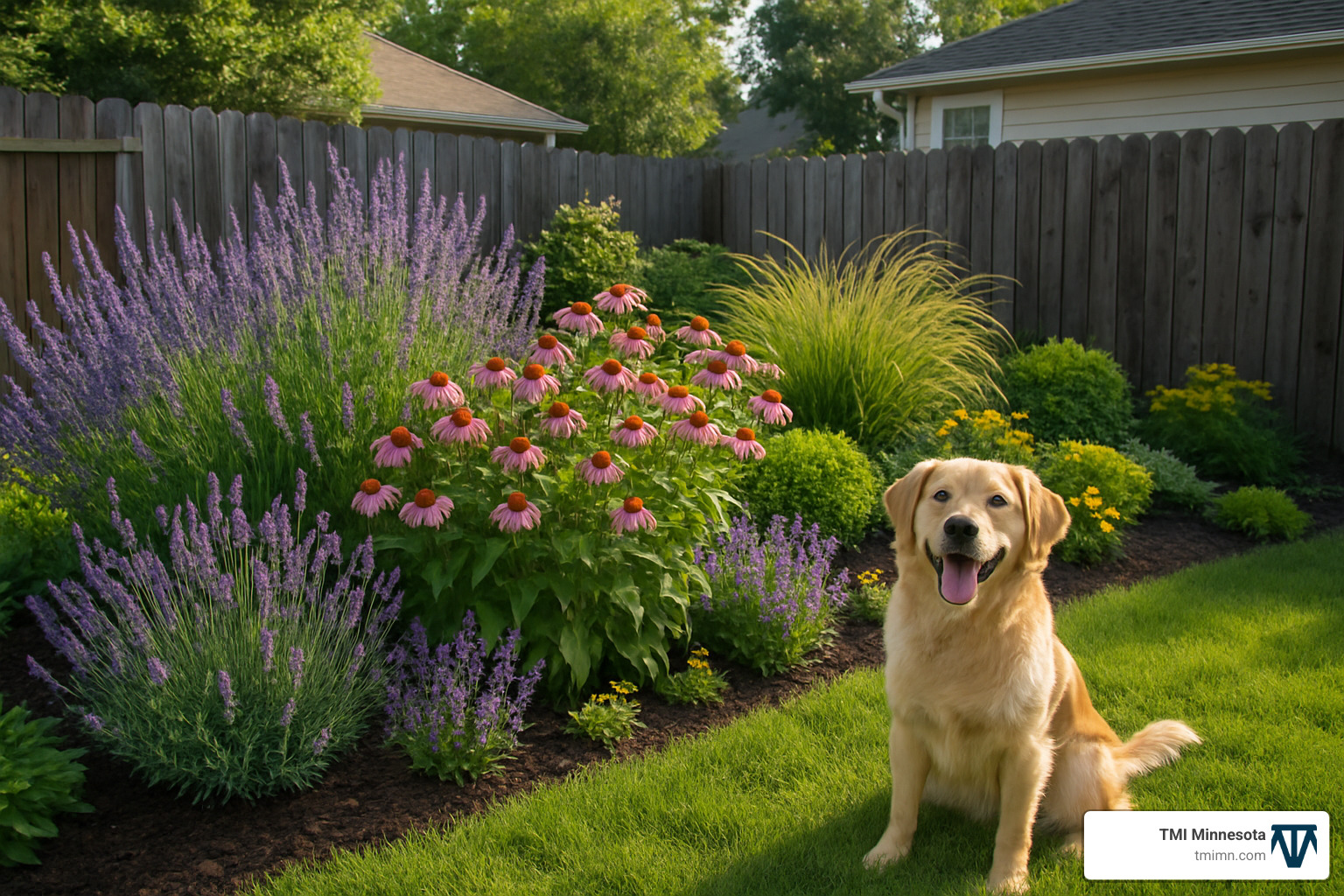
The key to successful planting is creating dense groupings of pet-safe plants in your decorative areas while leaving plenty of open space for active play. This approach gives you the beautiful garden you want while respecting your pets’ need for room to move.
Grass Alternatives & Low-Water Options
Let’s be honest—traditional grass lawns and active pets don’t always get along perfectly. Between yellow spots from urine, worn paths from daily patrols, and the challenge of keeping grass healthy through Minnesota’s extreme weather, many pet owners find themselves looking for better solutions.
Microclover has become one of my go-to recommendations for families wanting a natural lawn alternative. This low-growing groundcover stays green longer than traditional grass, actually improves soil health by fixing nitrogen, and handles pet traffic beautifully. Best of all, it requires significantly less water than conventional turf.
For areas that receive heavy foot traffic, creeping thyme offers an aromatic solution that releases pleasant fragrance when stepped on. Many dogs seem to enjoy the texture under their paws, and it creates a living carpet that’s both beautiful and functional.
Dymondia works exceptionally well in Minnesota’s climate, providing a silver-leafed groundcover that’s both drought-tolerant and traffic-resistant. It spreads slowly but steadily, creating a unique texture that adds visual interest while handling daily pet activities.
For families ready to accept modern solutions, high-quality artificial turf specifically designed for pets offers remarkable benefits. Today’s pet-specific synthetic grass includes antimicrobial backing that prevents odors and provides excellent drainage for easy maintenance. While the initial investment is higher, artificial turf can reduce water usage by up to 70% compared to natural grass—making it both pet-friendly and environmentally responsible.
| Surface Type | Durability | Maintenance | Pet Safety | Cost |
|---|---|---|---|---|
| Natural Grass | Medium | High | Good | Low |
| Microclover Mix | High | Low | Excellent | Medium |
| Artificial Turf | Very High | Very Low | Excellent | High |
| Decomposed Granite | High | Low | Good | Medium |
| Creeping Thyme | Medium | Low | Excellent | Medium |
The beauty of these alternatives lies in their ability to handle what pets naturally do—run, dig, play, and explore—without constant repair and maintenance. For families interested in sustainable approaches that work for both pets and the environment, our environmentally friendly gardens combine these practical solutions with native plants and water-wise design.
Pet Friendly Landscape Design Materials Checklist
Selecting the right materials for your pet friendly landscape design requires understanding how different products affect both pet safety and long-term durability. After seeing what works (and what doesn’t) in hundreds of Minnesota yards, I’ve developed this practical guide for making smart material choices.
Mulch selection makes a bigger difference than most people realize. Cedar chips naturally repel fleas and ticks while providing excellent drainage around plants. Shredded hardwood offers a classic look and breaks down slowly to improve soil health. Pine needles work beautifully in naturalized areas and stay in place better than many alternatives during our spring windstorms.
However, avoid cocoa mulch entirely—it contains the same compounds that make chocolate toxic to dogs and can be just as dangerous. Similarly, any chemically treated mulch poses unnecessary risks in areas where pets spend significant time.
For stone and gravel applications, rounded pea gravel in 3/8″ to 3/4″ sizes provides excellent drainage while being comfortable on paw pads. Decomposed granite creates smooth, stable surfaces that work well for pathways and potty areas. Smooth river rock adds visual interest without the sharp edges that can injure pets during enthusiastic play sessions.
Stay away from sharp angular gravel that can cut or bruise paw pads, and never use lava rock in pet areas—some dogs attempt to eat it, causing serious digestive problems.
Temperature considerations are crucial for Minnesota’s extreme weather conditions. Light-colored materials stay cooler in summer sun, preventing burned paw pads during hot afternoons. Dark stone and concrete can become dangerously hot, so always test surfaces with your hand before expecting pets to walk on them comfortably.
The goal is creating outdoor spaces that work beautifully for your entire family—both two-legged and four-legged members. When you choose materials thoughtfully, you’ll spend less time on maintenance and more time enjoying your yard with your pets.
Lawn, Turf & Surface Solutions for Paws
Let’s be honest—dog urine and beautiful lawns don’t always get along. Those yellow spots scattered across your yard aren’t just unsightly; they’re a sign that your grass is getting burned by the high nitrogen content in pet urine. But don’t worry, there are plenty of solutions that work for both your pets and your landscape goals.
The key is understanding that you’re not fighting against nature—you’re working with it. Some surfaces naturally handle pet use better than others, and choosing the right option for your specific situation makes all the difference in your pet friendly landscape design.
Natural Grass That’s Tough Enough
If you love the feel of real grass under your feet (and paws), certain varieties can absolutely thrive in pet-heavy environments. The secret is choosing grasses that recover quickly and have deep root systems that help them bounce back from damage.
Kentucky bluegrass is a Minnesota favorite for good reason. This grass variety has excellent self-repairing abilities, meaning it can literally grow back into damaged areas on its own. When your dog creates a worn path along the fence line, Kentucky bluegrass will gradually fill it back in with proper care.
Tall fescue brings serious durability to the table with its deep root system. This grass can handle heavy traffic and recovers from urine damage faster than most other varieties. It’s particularly good for families with larger dogs or multiple pets.
For quick establishment in damaged areas, perennial ryegrass is your friend. It germinates fast and provides good wear tolerance, making it perfect for overseeding problem spots in early spring or fall.
Here’s the real game-changer: Train your pets to use a designated bathroom area surfaced with decomposed granite or pea gravel instead of grass. This simple strategy protects your main lawn while giving you an easy-to-maintain space that handles daily use without any damage.
When urine damage does happen, water the area immediately to dilute the nitrogen concentration. Think of it like diluting a strong fertilizer—you’re preventing the “burn” that creates those telltale yellow circles.
Artificial Turf & Porous Surfaces
Modern artificial turf designed specifically for pets has come a long way from the plastic-looking surfaces of the past. Today’s pet-specific turf addresses the main concerns pet owners have about synthetic surfaces: drainage, odor control, and comfort.
The magic happens in the details. Antimicrobial backing prevents bacteria buildup that can cause odors, while improved drainage systems allow urine to pass through the surface quickly instead of pooling on top. Many pet-specific turfs include zeolite infill—a natural volcanic mineral that absorbs odors without chemicals.
Proper installation makes or breaks artificial turf performance. The base preparation is crucial: we install over sand base layers rather than concrete to allow natural microbial drainage into the native soil below. This creates a system that works with nature instead of against it.
Weekly maintenance is surprisingly simple: A 50/50 vinegar-water solution or enzyme cleaners keep the surface fresh and odor-free. Compare that to the weekly watering, mowing, and fertilizing that natural grass requires, and the maintenance advantage becomes clear.
Quality artificial turf installations typically last 10-15 years with proper care, and many pet owners find it reduces their water usage by up to 70% compared to natural grass. For families dealing with severe urine damage or heavy pet traffic, this can be a landscape-saving solution.
The key is realistic expectations. Artificial turf won’t feel exactly like natural grass, but it provides a consistently clean, safe, and low-maintenance surface that many pets actually prefer for play and exercise.
Designing Comfort & Fun Features
Now comes the fun part of pet friendly landscape design – creating features that make your yard a true haven for your furry family members. Think of this as building a backyard resort where your pets can relax, play, and explore safely.
The key is understanding what your pets actually need versus what we think they want. Dogs crave shade on hot days, fresh water, and interesting things to explore. Cats love sunny spots, liftd perches, and plants they can safely nibble. Let’s design features that deliver on these natural desires.
Shade & Hydration Stations
Minnesota summers can be brutal, and pets feel the heat even more than we do. Creating multiple shade stations throughout your yard ensures your pets always have a cool retreat nearby.
Mature trees are the gold standard for natural cooling. A single large oak or maple can drop ground temperatures by 10-15 degrees compared to full sun areas. If you’re starting with a treeless yard, consider fast-growing options like hybrid willows or red maples that provide meaningful shade within 3-5 years.
For immediate relief, shade sails offer a modern, flexible solution. These triangular fabric canopies can be positioned to block the harshest afternoon sun and adjusted seasonally as the sun angle changes. They’re particularly effective over play areas where pets spend the most active time.
Pergolas create more permanent outdoor rooms that benefit both pets and humans. Position them over seating areas where you and your pets can relax together. The filtered shade keeps everyone comfortable without blocking all natural light.
Don’t overlook the simple doghouse, but position it strategically. Place it in naturally shaded areas with good air circulation underneath. Raised designs allow cooling airflow and prevent moisture problems.
Water access becomes critical during hot weather. Pet fountains encourage drinking by providing fresh, moving water that many pets prefer over still bowls. The pet fountain options range from simple recirculating designs to elaborate multi-tier systems.
For water-loving dogs, consider embedding a hard plastic kiddie pool partially into the ground for stability. This creates a permanent cooling station that won’t tip over during enthusiastic use. Position it in partial shade to prevent the water from becoming uncomfortably warm.
Pro tip: Test all surfaces with your bare hand before expecting pets to walk on them. If it’s too hot for your skin, it’s definitely too hot for paw pads.
Play & Enrichment Extras
Mental stimulation prevents destructive behavior better than any training technique. Bored pets become creative – usually in ways we don’t appreciate. Smart pet friendly landscape design provides appropriate outlets for natural behaviors.
Agility features don’t require expensive equipment. Simple tunnels made from large drainage pipes or collapsible fabric versions give dogs something exciting to explore. Ramps help older pets or small breeds steer elevation changes safely while providing climbing opportunities for adventurous younger pets.
Create a designated digging station by excavating an 8-12 inch deep area and filling it with loose sand or soil. Line the edges with stones or concrete to contain the mess. Hide treats or toys in the sand to encourage use. This gives digging-prone dogs an appropriate outlet while protecting your prized garden beds.
Patrol paths acknowledge that dogs naturally walk perimeter routes. Instead of fighting this behavior, formalize these pathways with comfortable materials like decomposed granite or flagstone. Your dog gets to patrol their territory, and you get attractive hardscape features.
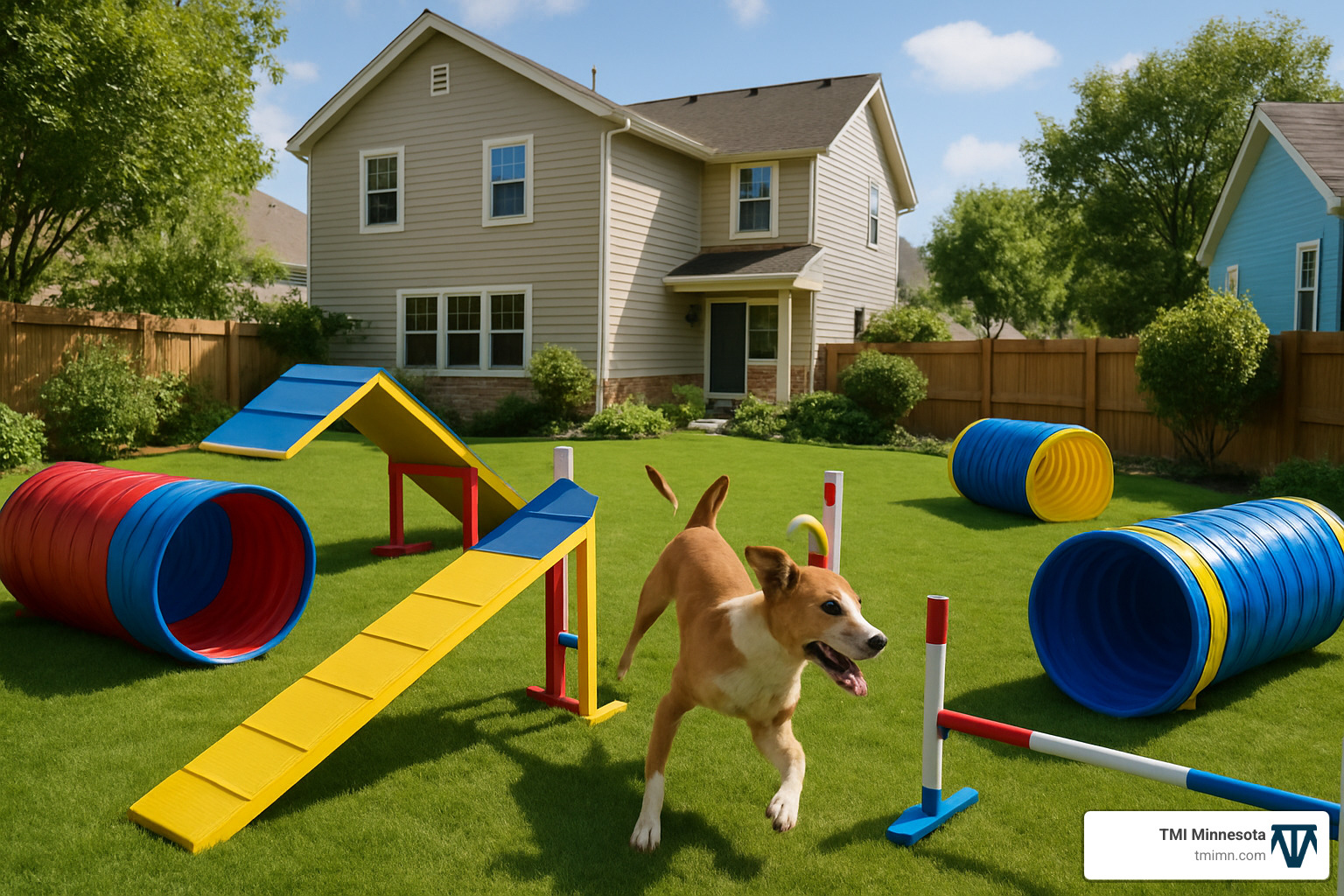
Storage solutions keep the fun organized. Install weatherproof containers near play areas for toys, leashes, and cleanup supplies. Consider adding an outdoor washing station with a handheld sprayer for muddy paws – your floors will thank you.
Sensory gardens provide mental enrichment through safe plants with interesting textures and scents. Rosemary, sage, and mint offer aromatic experiences that many pets enjoy investigating. Plant these in raised beds or containers where pets can safely explore without damaging more delicate landscape areas.
The goal is creating a space where your pets can express natural behaviors safely while protecting your landscape investment. When pets have appropriate outlets for their energy and curiosity, everyone wins.
Maintenance & Budget Tips for Pet Owners
Let’s be honest—nobody wants to spend their weekends constantly cleaning up after pets or breaking the bank on landscape maintenance. The good news is that smart pet friendly landscape design actually reduces your workload over time, not increases it.
The secret is building maintenance routines into your daily life rather than letting problems pile up. Think of it like brushing your teeth—a few minutes each day prevents major issues down the road.
Quick-Clean Strategies
Start with the daily basics: Pick up solid waste immediately (your neighbors will thank you), and give urine spots a quick rinse with the hose. This 30-second rinse prevents those unsightly yellow burn spots that plague so many dog owners. Check water bowls while you’re out there—hydrated pets are healthier pets.
Weekly maintenance takes about as long as making Sunday morning pancakes. Hose down artificial turf areas with a simple 50/50 vinegar and water solution to eliminate odors naturally. Rake high-traffic mulch areas to keep them looking fresh, and do a quick walk around your fence line to catch any escape attempts before they become escape successes.
Monthly tasks are your chance to think bigger picture. Deep clean any water features and replace filters to keep them sparkling. Trim plants that are creeping into patrol paths—fighting your dog’s natural walking patterns is a losing battle, so work with them instead. Refresh decomposed granite or gravel in potty areas to maintain good drainage and appearance.
For odor control, enzyme cleaners designed specifically for pet waste work much better than general cleaners. These products actually break down the compounds that cause lingering smells rather than just masking them. Adding zeolite to problem soil areas provides natural odor absorption that keeps working between cleanings.
The beauty of proper pet friendly landscape design is that it gets easier over time, not harder. Well-chosen materials and smart layout decisions mean less work for you and more enjoyment for everyone.
Mastering Pet Friendly Landscape Design on a Budget
Creating a fantastic pet-friendly yard doesn’t require winning the lottery. Some of our most successful projects have been budget-conscious installations that focused on smart material choices and phased development.
Start with the essentials and build from there. A designated potty area using pea gravel costs $50-100 for a 6×6 foot space, but it can save hundreds in lawn repair costs over time. A basic sandbox for digging-prone pups runs under $200, and you can build your own for even less using treated lumber and sand.
Recycled materials often work better than new ones for pet applications. Reclaimed pavers create beautiful pathways at a fraction of new costs, and they often have more character too. A simple hard plastic kiddie pool provides instant cooling relief for around $20—just embed it slightly into the ground for a more permanent look.
Phase your project over time instead of trying to do everything at once. Start with safety essentials like secure fencing and removing toxic plants. Add comfort features like shade structures and play equipment as your budget allows. This approach lets you see how your pets actually use the space before investing in permanent features.
Think long-term savings when making material choices. Artificial turf eliminates ongoing costs for watering, fertilizing, and reseeding damaged areas. Native plants require minimal water and maintenance once established, and they’re naturally adapted to Minnesota’s challenging climate. Proper drainage might cost more upfront, but it prevents expensive water damage repairs later.
DIY projects work great for many pet features. Simple agility equipment, sandbox construction, and basic pathway installation are perfect weekend projects that save on labor costs while giving you exactly what your pets need.
The key is choosing materials and features that reduce maintenance rather than increase it. A well-planned pet friendly landscape design pays for itself through reduced upkeep and fewer replacement costs over time.
Frequently Asked Questions about Pet-Safe Yards
After helping hundreds of Minnesota families create beautiful pet friendly landscape design solutions, I’ve noticed the same questions come up again and again. Let me share the answers that have helped countless pet owners solve their biggest yard challenges.
How do I stop yellow urine spots on my lawn?
Those frustrating yellow spots happen because dog urine contains nitrogen levels that essentially “burn” your grass like dumping too much fertilizer in one spot. The good news? This problem is completely solvable with the right approach.
The quickest fix is dilution. Keep a watering can or hose handy and flood the area immediately after your dog urinates. This simple step dilutes the nitrogen before it can damage the grass roots. I know it sounds tedious, but after a few weeks of this routine, you’ll see a dramatic difference.
For a long-term solution, consider creating a designated bathroom zone using decomposed granite or pea gravel. Train your dog to use this area by taking them there on leash and rewarding them consistently. Most dogs adapt to this routine within 2-3 weeks, and you’ll never deal with lawn spots again.
If you’re replanting damaged areas, choose tougher grass varieties like tall fescue or Kentucky bluegrass. These recover faster from nitrogen damage and handle foot traffic better than standard lawn mixes. For severely damaged yards, artificial turf in high-use areas eliminates the problem entirely while maintaining a green appearance year-round.
Which common yard plants are most dangerous for dogs?
Plant toxicity is one of my biggest safety concerns when designing pet-friendly yards. Some common landscape plants can cause serious health problems or even death if your dog decides to take a taste.
Sago palms top my “never plant” list. Every part of this popular ornamental plant can cause liver failure in dogs. I’ve seen too many emergency vet visits from curious pups who nibbled on these seemingly harmless plants.
Azaleas and rhododendrons are equally dangerous, causing heart problems and seizures even in small amounts. These spring bloomers are gorgeous, but they’re not worth the risk in pet-accessible areas.
Other plants to avoid include oleander (extremely toxic), hydrangeas (contain cyanide compounds), and most lily varieties which are especially dangerous for cats. Even cocoa mulch poses a serious threat since it contains the same compounds that make chocolate toxic to dogs.
Before adding any new plants to your landscape, always check the ASPCA plant list for safety information. When in doubt, choose a different plant or place questionable species where your pets can’t reach them.
What’s the best ground cover for a digging-prone pup?
Instead of fighting your dog’s natural digging instincts, I recommend working with them by creating designated digging zones. This approach protects your main landscape while giving your pup a satisfying outlet for their behavior.
A sand-filled digging pit works wonderfully for most dogs. Dig down 8-12 inches, line the area with landscape fabric or concrete edging, then fill with clean sand. Bury treats and favorite toys in the sand to encourage your dog to use this area instead of your flower beds.
For dogs who prefer softer materials, cedar chip mulch zones provide excellent digging satisfaction while naturally repelling fleas. The key is making the designated area more appealing than anywhere else in the yard.
If you want to eliminate digging entirely, artificial turf creates an impossible-to-dig surface while still feeling comfortable under paws. For areas where digging commonly occurs along fence lines, smooth river rock borders using 2-4 inch stones effectively discourage the behavior without looking like a deterrent.
The secret to success is consistent redirection with positive reinforcement. When you catch your dog digging in the wrong spot, immediately take them to the designated area and reward them for digging there instead. Most dogs learn this routine within a few weeks, especially when the approved digging zone contains hidden treasures.
Conclusion
Creating a successful pet friendly landscape design is like orchestrating a symphony where every element works in harmony. Your yard becomes a place where muddy paws and manicured gardens coexist, where safety meets beauty, and where both two-legged and four-legged family members can truly relax.
The magic happens when you stop fighting against your pet’s natural behaviors and start designing with them in mind. That zoning approach we discussed—creating distinct areas for eating, sleeping, playing, and potty breaks—transforms chaotic pet behavior into organized, manageable routines. Your safe plant selections like lavender and coneflowers provide beauty without worry. Those durable materials like decomposed granite and pet-specific artificial turf handle whatever your furry friends can dish out.
What makes the biggest difference is understanding that a great pet-friendly yard isn’t about compromise—it’s about smart choices. When you choose the right plants, materials, and layout from the start, maintenance becomes simpler, not harder. Your pets are happier because they have appropriate spaces for their needs. You’re happier because you’re not constantly repairing damage or worrying about safety.
At TMI Minnesota, we’ve seen countless families find that pet friendly landscape design actually creates more beautiful yards, not less attractive ones. Our experience throughout the Twin Cities has taught us that the most stunning outdoor spaces are often those designed around the whole family—pets included. We use leading-edge products and innovative approaches to create landscapes that work as hard as they look good.
The investment you make in proper pet friendly landscape design pays you back every single day. Less time cleaning up damage means more time enjoying your yard. Fewer worries about toxic plants means more peace of mind. Better drainage and appropriate surfaces mean easier maintenance year-round.
Ready to create that perfect balance in your own backyard? Our ForeverTurf solutions offer the durability and easy maintenance that pet families need, while delivering the beautiful appearance every homeowner wants.
Your pets deserve a yard designed just for them. Your family deserves outdoor spaces that bring joy instead of stress. And you deserve to love every corner of your landscape—muddy paws and all.