
Why Softscape Design Transforms Your Outdoor Living Experience
Softscape design focuses on the living, horticultural elements that breathe life into your landscape—from vibrant flower beds and mature trees to lush lawns and decorative grasses. These organic components work together to create beautiful, functional outdoor spaces that evolve with the seasons.
Essential softscape elements include:
- Trees and shrubs – Provide structure, shade, and year-round interest
- Perennials and annuals – Add color, texture, and seasonal variety
- Groundcover and ornamental grasses – Create cohesive transitions and reduce maintenance
- Soil and mulch – Support healthy plant growth and water retention
- Lawns and turf – Offer usable green space for activities and relaxation
Unlike hardscape elements like patios and walkways, softscape components grow and change, creating an “ever-changing beauty.” The benefits extend far beyond aesthetics. Strategic softscape design provides natural cooling, reduces noise, improves air quality, and creates wildlife habitats. Research shows that 99% of real estate agents believe adding healthy trees increases property value, and well-designed landscapes can boost home values by 10-20%.
I’m Christopher Deanovic, Operations Leader at Task Masters, and I’ve spent years helping Minnesota homeowners transform their yards with thoughtful softscape design. My approach combines innovative plant selection with practical maintenance to create landscapes that thrive in our unique climate.

Find more about softscape design:
The Core of Softscape Design: Elements and Benefits
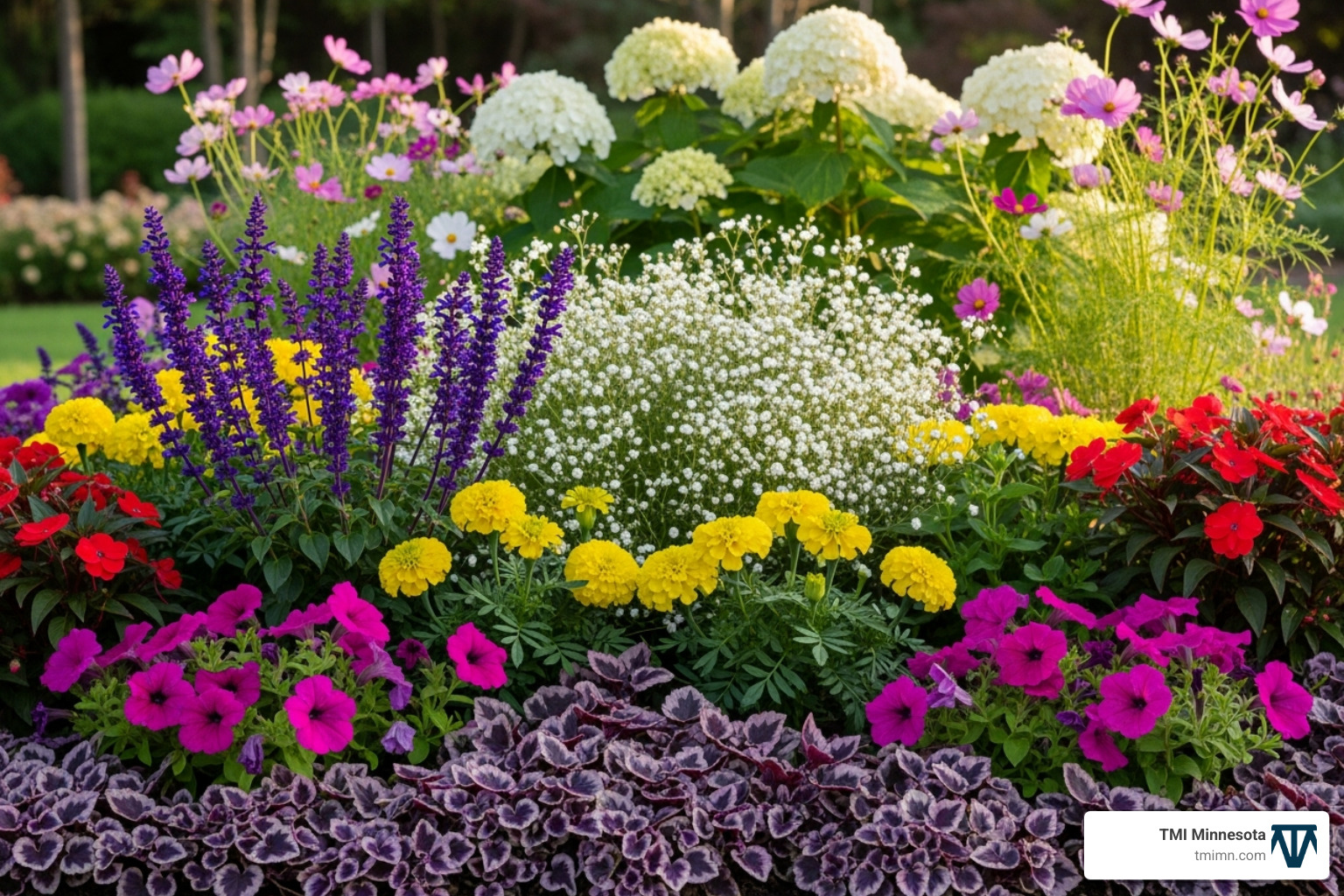
In softscape design, nature meets intention to create outdoor spaces that grow and change with every season. Understanding the core components is key to a successful landscape.
What are the Elements of Softscape?
Your landscape is a living painting composed of several key elements:
- Trees: The framework of your landscape, providing shade, structure, and seasonal color.
- Shrubs: The middle layer, offering privacy, softening your home’s edges, and adding interest with blooms and foliage.
- Perennials: Reliable plants like hostas and peonies that return each year, forming the backbone of garden beds.
- Annuals: These provide a burst of seasonal color, allowing you to experiment with new looks in containers and along walkways.
- Groundcover: Problem-solving plants that create living carpets, prevent erosion, and suppress weeds in difficult areas.
- Ornamental Grasses: Add dynamic movement and texture that changes with the light and seasons.
- Soil: The foundation for all plant life. Healthy soil is essential for a thriving garden.
- Mulch: The finishing touch that conserves moisture, moderates soil temperature, and gives beds a polished look.
- Lawn: The green stage that provides usable space and a calm backdrop for other plants to shine.
More info about our Softscape Services
The Benefits Beyond Beauty
The advantages of thoughtful softscape design extend far beyond curb appeal.
A professionally designed landscape offers a significant return on investment, with the potential to increase property value by 10-20%. The environmental benefits are also impressive. Plants work to improve air quality, reduce carbon dioxide, and create wildlife habitats that attract birds and butterflies.
Practically, strategic plantings can provide natural cooling to reduce summer energy costs and noise reduction from busy streets. These living elements work together to create spaces that improve your daily life and contribute to a healthier planet.
Sustainable Landscaping Techniques
Balancing Softscape and Hardscape for a Cohesive Look
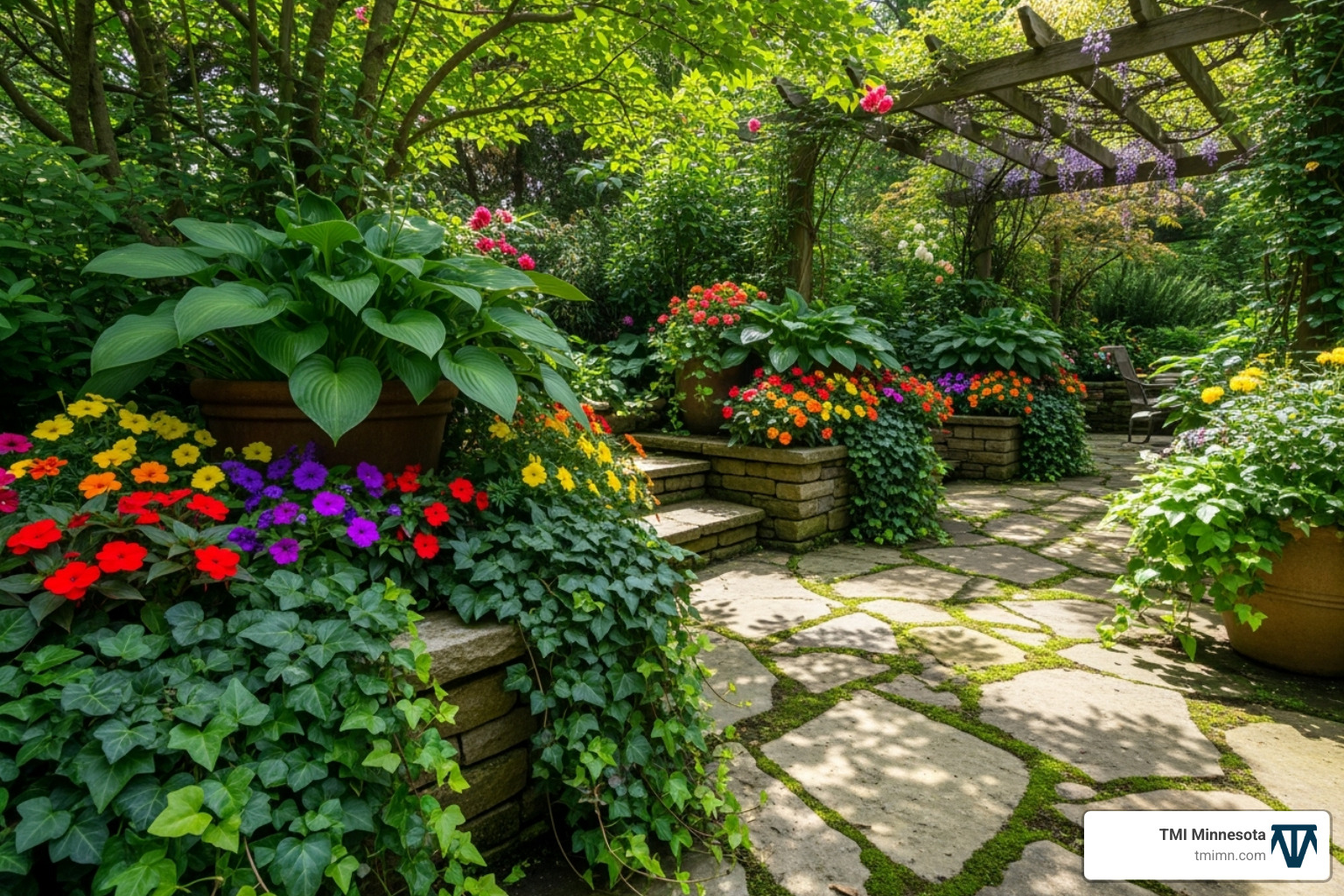
The secret to a stunning outdoor space is achieving harmony between hardscape (patios, walls) and softscape (plants, soil). Hardscape provides the structure, while softscape design brings the personality and warmth that makes a yard feel inviting. The goal is a perfect balance where a stone walkway feels naturally connected to its bordering flowers.
The Art of Integration
Creating this harmony involves several key techniques:
- Soften hard edges: Let plants spill gracefully over the sides of patios and retaining walls. Use trees to blur the sharp corners of your home, making it feel more integrated with the landscape.
- Create smooth transitions: Use ornamental grasses or low perennials to form a gentle buffer between your lawn and a concrete walkway, guiding the eye from one space to another.
- Use curves: A curved flower bed along a straight patio adds an organic flow and softness that feels more natural and inviting.
- Frame focal points: Use plants to draw attention to features like a fire pit or outdoor kitchen. A backdrop of evergreen shrubs can make these elements stand out.
- Layer plants: Arrange plants by height and texture around hardscape features to create visual depth. Place taller shrubs in the back, medium plants in the middle, and low groundcovers in the front.
For best results, plan your hardscape elements first. These permanent features create the framework that guides your plant placement.
Hardscape and Softscape integration.
Comparing Softscape and Hardscape
| Feature | Softscape | Hardscape |
|---|---|---|
| Definition | Living, horticultural elements | Man-made, non-living structures |
| Examples | Trees, flowers, grass, soil | Patios, retaining walls, walkways, fences |
| Characteristics | Changes with seasons, grows over time | Permanent, provides structure |
| Function | Adds color, texture, life, shade | Creates usable space, defines areas, controls erosion |
| Maintenance | Watering, pruning, mowing, fertilizing | Cleaning, sealing, occasional repairs |
Planning Your Perfect Softscape: From Selection to Maintenance
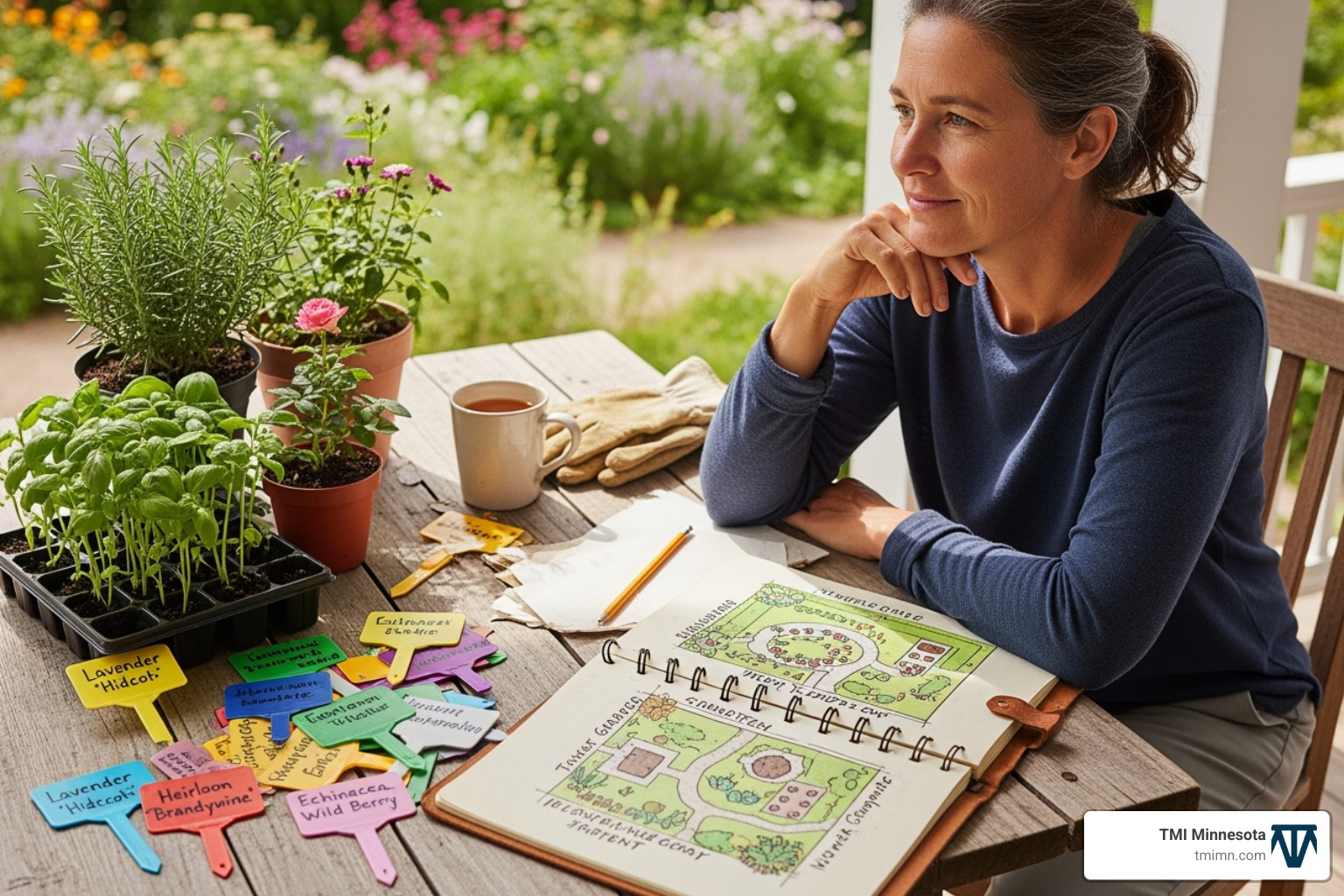
A beautiful, low-maintenance garden is achievable with proper softscape design planning. The secret is choosing plants that will thrive in your specific yard, not just the ones that look prettiest at the garden center.
Key Principles for a Successful Softscape Design
Thoughtful planning is crucial, especially in Minnesota. We focus on the “right plant, right place” philosophy.
- Climate Considerations: In Minnesota’s USDA Zone 4, plants must be tough enough to handle our cold winters and warm summers.
- Native Species: These plants are adapted to our climate, require less water and maintenance, and support local wildlife. Research on native plants confirms they create healthier backyard ecosystems.
- Soil Type: We test soil composition and pH to select plants that will be happy in your yard’s specific conditions.
- Sun Exposure: We map how sunlight moves across your yard to ensure sun-loving plants get sun and shade-loving plants get shade.
- Water Requirements: Incorporating drought-resistant plants creates a more sustainable garden that is better for the environment and your water bill. Drought-Resistant Landscaping offers great options.
- Mature Size: We plan for a plant’s size in five to ten years to prevent future overcrowding and ensure the design matures beautifully.
Understanding Softscape Maintenance
Smart plant choices make maintenance manageable. A well-planned softscape often needs less intervention than you’d expect.
- Watering: Deep, infrequent watering encourages strong roots. Landscape Irrigation Solutions can automate this for efficiency.
- Pruning: Proper timing and technique keep plants healthy and well-shaped. We can teach you the simple rules for your specific plants.
- Fertilizing: Healthy soil often provides most nutrients. We use soil tests to determine if any supplements are needed, preferring organic options.
- Weed & Pest Control: Mulching and dense plantings naturally suppress weeds. Healthy, well-placed plants are the best defense against pests and diseases.
- Seasonal Care: Minnesota has a unique rhythm. Fall is ideal for planting, spring is for cleanup, summer is for monitoring, and winter is for planning.
Inspiring Ideas for Your Softscape Design

Softscape design opens up a world of creative possibilities. The living elements of your landscape can transform your yard into a personal paradise, from intimate gathering spaces to unique, themed gardens.
Foundation and Border Plantings
Foundation plantings frame your house and make a great first impression. They can soften your home’s architectural lines, accentuate entryways with seasonal color, and create natural borders along property lines and walkways that are more inviting than a stark fence.
Creating Privacy and Purpose
Your softscape can be both beautiful and functional.
- Natural Privacy Screens: A row of evergreen trees or dense shrubs creates a living wall that grows more beautiful and effective over time. Privacy Landscaping Ideas
- Windbreaks: Essential in Minnesota, strategically placed trees and shrubs can create comfortable microclimates and even reduce home heating costs.
- Attracting Wildlife: Planting native species like coneflowers and serviceberry invites birds and butterflies, bringing your yard to life.
- Edible Gardens: Incorporate herb spirals, vegetable beds, or fruit trees to create a space that is both beautiful and delicious. Edible Garden Landscape Ideas
Themed and Specialty Gardens
Themed gardens let you express your personality and create a unique atmosphere.
- Meadow Gardens: Use native wildflowers and grasses to capture the beauty of a Minnesota prairie. These low-maintenance gardens change dramatically with the seasons.
- Xeriscape Gardens: These water-wise gardens use drought-tolerant plants to create stunning landscapes that thrive with minimal water. Xeriscape Landscaping Ideas
- Cottage Gardens: An informal, abundant mix of perennials, annuals, and climbing roses creates a charming, fairytale-like space.
- Modern Minimalist Plantings: This style uses clean lines, mass plantings of a single variety, and bold architectural plants for a sophisticated look.
Frequently Asked Questions about Softscape Design
Understanding the basics of softscape design helps you make better decisions for your outdoor space. Here are some common questions we hear from homeowners.
What is the difference between softscape and hardscape?
Softscape includes all the living, horticultural elements in your yard: trees, shrubs, flowers, grass, and soil. These components grow and change with the seasons.
Hardscape includes the non-living, man-made structures like patios, walkways, retaining walls, and fences. These elements provide the permanent backbone of your landscape.
A successful design harmoniously blends both, using softscape to bring life and beauty to the structure provided by the hardscape.
How does softscaping increase property value?
Thoughtful softscape design is a smart investment that boosts property value in several ways. First, it dramatically improves curb appeal, making a powerful first impression on potential buyers. A beautiful landscape with mature trees and vibrant gardens is a highly sought-after feature. Real estate professionals agree that a well-designed landscape can increase a home’s value by 10-20%.
What are the most important factors when choosing plants?
Choosing the right plant for the right place is the key to a thriving, low-maintenance landscape. The most critical factors to consider are:
- Local Climate: Select plants rated for Minnesota’s USDA Hardiness Zone 4 to ensure they can survive our winters.
- Sunlight: Match plants to the specific sun or shade conditions in your yard.
- Soil and Water: Choose plants suited to your soil type and natural rainfall. Prioritizing native and drought-tolerant species reduces maintenance.
- Mature Size: Always plan for a plant’s future size and growth habit to avoid overcrowding and ensure the design looks good for years to come.
Bring Your Vibrant Outdoor Vision to Life
Your yard has incredible potential. With thoughtful softscape design, it can become a personal oasis that grows more beautiful each season—a living work of art that is an extension of your home.
A well-designed softscape is also a smart investment, boosting your property value, supporting local wildlife, and providing natural cooling that can lower energy costs. At TMI Minnesota, we create dynamic spaces where softscape and hardscape work together seamlessly.
Our Minnesota expertise matters. We know which plants thrive in our unique climate and how to design sustainable, functional outdoor rooms that survive our challenging winters. We don’t just follow trends; we create landscapes that work for your lifestyle.
Whether you dream of a colorful cottage garden, a sleek modern design, or a practical edible landscape, we can bring your vision to life. Let’s create an outdoor space that makes you proud to call it home.