
Why Commercial Softscapes Transform Business Properties
Softscapes are the living elements of your commercial landscape – trees, shrubs, flowers, and grass that bring life to business environments. Unlike hardscapes (concrete, stone, and metal structures), softscapes create dynamic spaces that evolve with seasons and provide measurable benefits.
Quick Commercial Softscape Benefits:
– Property Value: Increase property value by 10-20% with professional design
– Energy Savings: Reduce heating and cooling costs through strategic tree placement
– Noise Reduction: Buffer unwanted street noise with dense plantings
– Sustainability: Address urban heat islands and improve air quality
– Tenant Appeal: Create inviting spaces that attract and retain quality tenants
Properly designed softscapes prevent weed growth, improve soil structure, and reduce water runoff – critical factors for commercial property maintenance budgets. They transform stark business environments into welcoming spaces where employees want to work and customers want to visit.
I’m Christopher Deanovic, Operations Leader at TMI Minnesota, where I’ve helped transform commercial properties throughout the region by integrating thoughtful softscape design with functional hardscape elements.
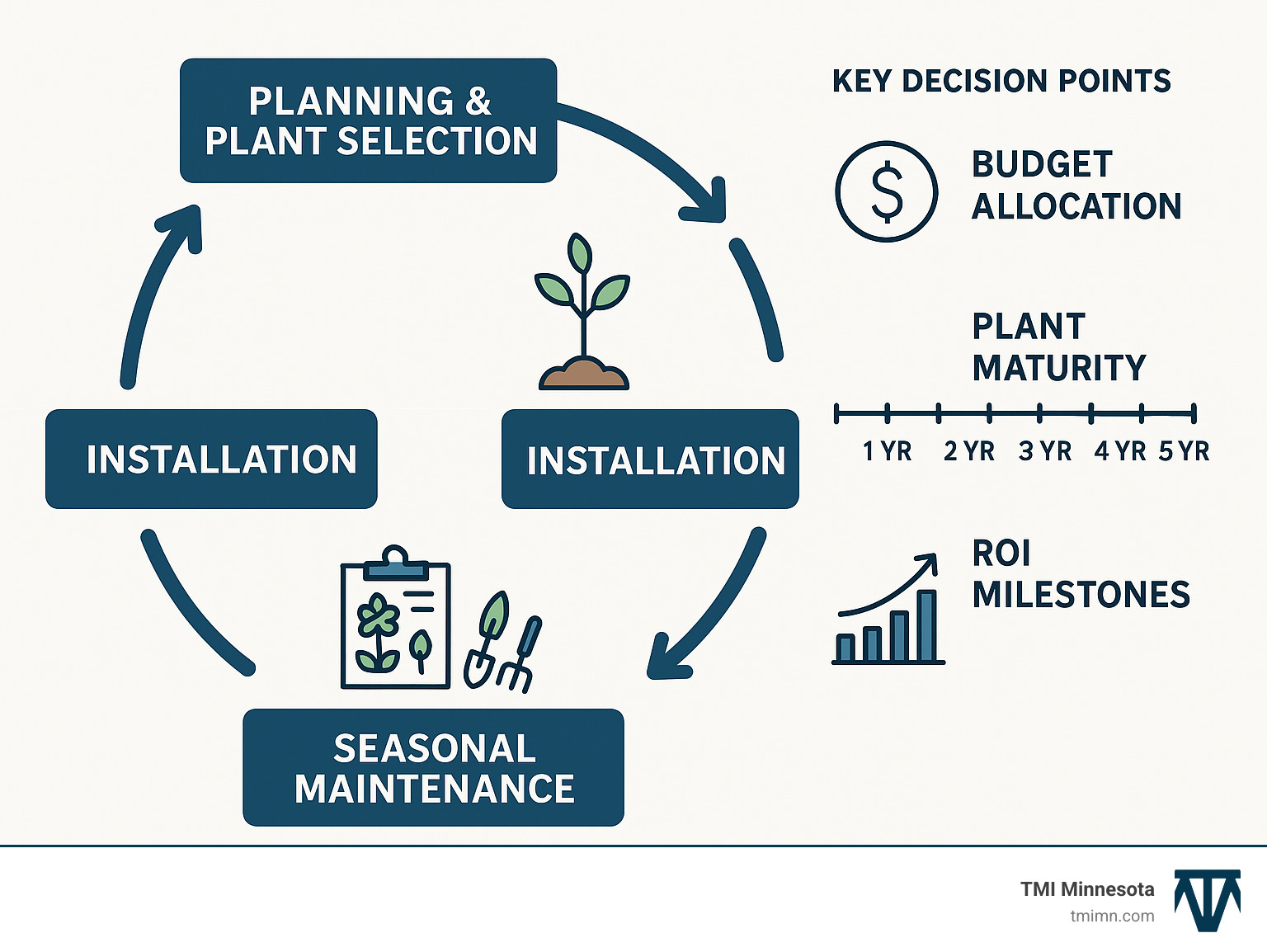
Easy softscapes glossary:
– softscape designer
– softscape services
– softscaping and hardscaping
Understanding Softscape vs. Hardscape in Commercial Design
Softscapes and hardscapes work together like instruments in a symphony. When we design commercial landscapes, we’re composing with living plant materials alongside permanent structural elements to create spaces that serve your business needs.
Softscapes are all the living parts – trees providing shade for employee breaks, colorful flowers welcoming customers, and grass creating inviting green spaces. These plant materials grow, change with seasons, and breathe life into your property.
Hardscapes handle the structural elements: walkways, patios, retaining walls, and outdoor lighting – the permanent backbone that defines where people walk, sit, and gather year-round.
The magic happens when we achieve the right balance. Too much hardscape feels like a concrete jungle. Too much vegetation without proper structure loses the professional ambiance commercial spaces need.
| Softscape Elements | Hardscape Elements |
|---|---|
| Trees, shrubs, flowers | Concrete walkways, patios |
| Grass, groundcovers | Stone walls, pavers |
| Soil, mulch, organic matter | Water features, fountains |
| Seasonal color displays | Outdoor lighting fixtures |
| Living privacy screens | Permanent seating, structures |
| Benefits: Noise reduction, air purification, seasonal interest | Benefits: Durability, defined spaces, year-round structure |
| Maintenance: Regular pruning, watering, seasonal care | Maintenance: Occasional cleaning, repairs |
This balance directly impacts your bottom line. Properties with thoughtful integration see higher occupancy rates, lower maintenance costs, and better tenant satisfaction. More info about Softscaping and Hardscaping
What Is a Softscape in Landscaping?
Softscapes in commercial settings include every living element that transforms your property from a basic building into an inviting destination. These components change, grow, and evolve – creating dynamic outdoor experiences throughout the year.
Your commercial softscape includes shade trees that make parking lots bearable in summer, foundation shrubs that frame building entrances, and seasonal flowers that can coordinate with brand colors. We also work with ornamental grasses requiring minimal water and groundcovers that prevent soil erosion while solving maintenance challenges.
What makes softscapes powerful is their seasonal evolution. Spring brings fresh growth and early blooms. Summer provides full shade and lush landscapes. Fall delivers spectacular color changes. Even winter offers charm with evergreen structure and interesting bark textures.
Why Balance Matters in Commercial Softscapes
Getting the balance right creates commercial spaces that work for real people with real needs – beautiful, functional, accessible, and cost-effective.
Strategically placed trees and shrubs around hardscape areas create natural air conditioning. Shade trees can drop surface temperatures by up to 20 degrees, keeping outdoor spaces usable during hot months instead of becoming concrete heat islands.
People feel more relaxed in environments blending natural elements with built structures. This translates into customers who stay longer, employees who use outdoor break areas, and tenants who renew leases.
Thoughtful softscape planning improves ADA accessibility through contrasting plant colors and textures that create natural wayfinding cues while maintaining clear wheelchair access.
Softscape elements work as natural landmarks – distinctive flowering trees at entrances become memorable reference points, and colorful flower beds help visitors steer your property.
Planning Commercial Softscapes for Function & Sustainability
Creating softscapes for commercial properties means selecting plants that handle Minnesota’s tough weather while looking great year-round and fitting your maintenance budget.
In the Twin Cities, we work in USDA hardiness zones 4a to 4b, meaning plants must survive winter temperatures dropping to -30°F.
Soil health is where everything starts. Poor soil is like building on quicksand. We test for pH levels, drainage patterns, and nutrient content before recommending plants.
Once soil is right, focus on drought-tolerant plants that practically maintain themselves. These water-wise choices reduce irrigation costs and look good during dry spells. Native plants are smart investments because they thrive in our Minnesota climate.
Modern commercial softscapes work as green infrastructure – managing stormwater runoff, cooling hot parking lots, and cleaning air around buildings. These benefits can earn LEED certification points and reduce municipal stormwater fees.
Scientific research on urban heat islands shows well-placed plants can drop temperatures by 2-8°F around commercial buildings, saving real money on air conditioning.
Selecting Plants: Climate, Soil & Maintenance Needs
Choosing plants for commercial properties is like assembling a reliable team – you want consistent performers who don’t cause drama. Our continental climate throws everything at plants: steamy summers, dry winters, and dramatic daily weather changes.
We evaluate each plant through three lenses: climate compatibility, maintenance requirements, and growth projections. Beautiful flowering trees needing weekly attention work in residential gardens but kill commercial budgets.
Climate zone mapping helps match plants to our specific conditions. The Twin Cities experiences significant temperature swings and variable precipitation, requiring plants that handle whatever Mother Nature delivers.
Maintenance planning determines landscape success. We group plants by care needs: low-maintenance natives thriving on neglect, medium-maintenance flowering plants needing seasonal attention, and high-maintenance specialty plants reserved for key focal areas.
Understanding mature plant sizes prevents expensive mistakes. That cute evergreen might block your building sign in five years. We plan for 5-10 year growth projections ensuring your landscape grows with your property, not against it.
More info about Tree Planting Services
Annuals vs. Perennials in Softscape Planning
The annual versus perennial debate comes down to balancing upfront costs with long-term value.
Perennials are reliable workhorses returning year after year, getting stronger with time. Daylilies provide months of summer color with minimal fuss. Hostas create lush backdrops in shade. Native wildflowers attract beneficial pollinators while requiring almost no maintenance once established.
Annual flowers are seasonal stars, blooming for one growing season while providing color flexibility each year. They’re perfect for entrance areas needing maximum visual impact.
We recommend a 70/30 split – seventy percent perennials for reliable structure and thirty percent annuals for seasonal flexibility. This provides cost control from perennials and design versatility from annuals.
Region-Specific Softscape Choices
Minnesota’s commercial softscapes should celebrate our region’s character while providing practical benefits.
Prairie grasses like Little Bluestem capture our state’s heritage while solving maintenance challenges. These natives provide year-round interest, survive on natural rainfall, and create authentic Minnesota character.
Hardy conifers provide winter interest backbone. White Pine offers soft texture and rapid growth. Blue Spruce provides formal structure and stunning color. Arborvitae varieties create excellent privacy screens.
Flowering crab trees deliver spring blooms, summer fruit attracting wildlife, and brilliant fall color. Modern disease-resistant varieties provide four seasons of interest without maintenance headaches.
Ornamental sedges solve challenging commercial sites, handling wet and dry conditions while adding movement and texture without requiring mowing.
Designing Softscapes to Improve Hardscape Features
When you walk past beautiful commercial buildings, what makes you stop? It’s rarely concrete alone. The magic happens when softscapes transform cold hardscape elements into welcoming spaces that feel alive.
A stark concrete plaza might be functional, but add strategically placed trees and colorful plantings, and suddenly you have a space where people want to linger.
Visual softening transforms necessary but harsh elements – patios, retaining walls, and building facades – using plants to create smooth, natural transitions. A towering concrete retaining wall becomes an attractive garden backdrop when we layer plantings of different heights.
Water features get complete personality makeovers with right plant companions. A simple fountain surrounded by ornamental grasses and moisture-loving perennials looks like it belongs rather than being dropped there.
But softscapes aren’t just about looks – they engage all senses in ways hardscapes can’t. The gentle sensory experience of grasses swaying in breeze, fresh scent of flowering shrubs, or soft texture of interesting foliage creates memorable experiences making your property stand out.
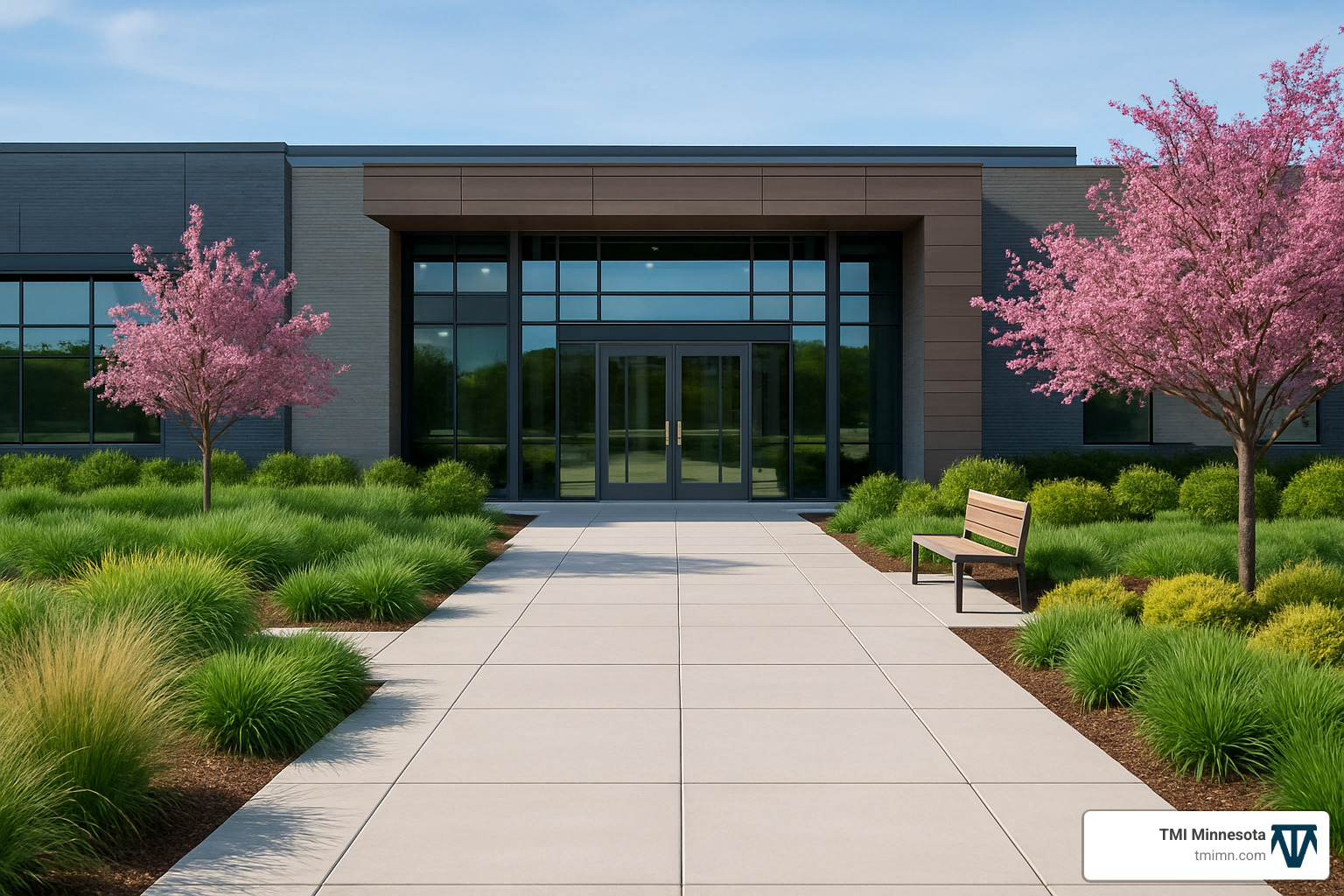
When we design softscapes to improve hardscape features, we’re making them more functional. Shade trees over patios extend usable seasons. Plantings around seating create comfortable microclimates. Smart plant placement directs foot traffic exactly where you want it.
More info about Softscape Designer
Using Softscapes to Soften Edges and Create Flow
Commercial properties often have harsh transitions – sidewalks ending at building walls, or different paving materials meeting without connection. These spots feel jarring. That’s where softscapes shine.
Border beds solve awkward transitions, creating planted areas along building foundations and property edges serving multiple purposes. They prevent erosion, eliminate impossible-to-mow grass strips, and create attractive frames for hardscape elements.
The key is thoughtful layering: taller shrubs toward buildings, medium-height perennials in middle for seasonal color, and low groundcovers at front edges. This creates depth and visual interest while maintaining clean sightlines for safety.
Container gardens offer incredible flexibility, especially with underground utilities or future construction plans. Large, quality planters can be moved seasonally, replanted for different looks, or replaced without disrupting permanent landscape.
Vertical greenery works particularly well in urban commercial settings where ground space is premium. Green walls, trellises with climbing plants, and strategically placed tall ornamental grasses break up monotonous building facades.
Integrating Softscapes Around Corporate Amenities
Modern businesses invest more in outdoor employee amenities for good reason – these spaces boost morale, provide stress relief, and improve productivity. Without thoughtful softscapes, outdoor seating and dining areas often go unused.
Seating nodes require careful plant selection. We avoid anything attracting stinging insects, dropping sticky sap, or producing heavy allergens. Instead, we choose plants improving the experience – fragrant herbs near dining areas or evergreen screens providing wind protection.
Shade trees are game-changers for outdoor amenities. The right deciduous tree provides cooling summer shade while allowing warming winter sun. We calculate sun angles and mature canopy sizes ensuring optimal shade during peak use periods.
Edible gardens are increasingly popular as employee amenities and sustainability demonstrations. Raised beds with herbs, vegetables, and dwarf fruit trees create engaging employee interaction spaces while providing fresh ingredients for on-site dining.
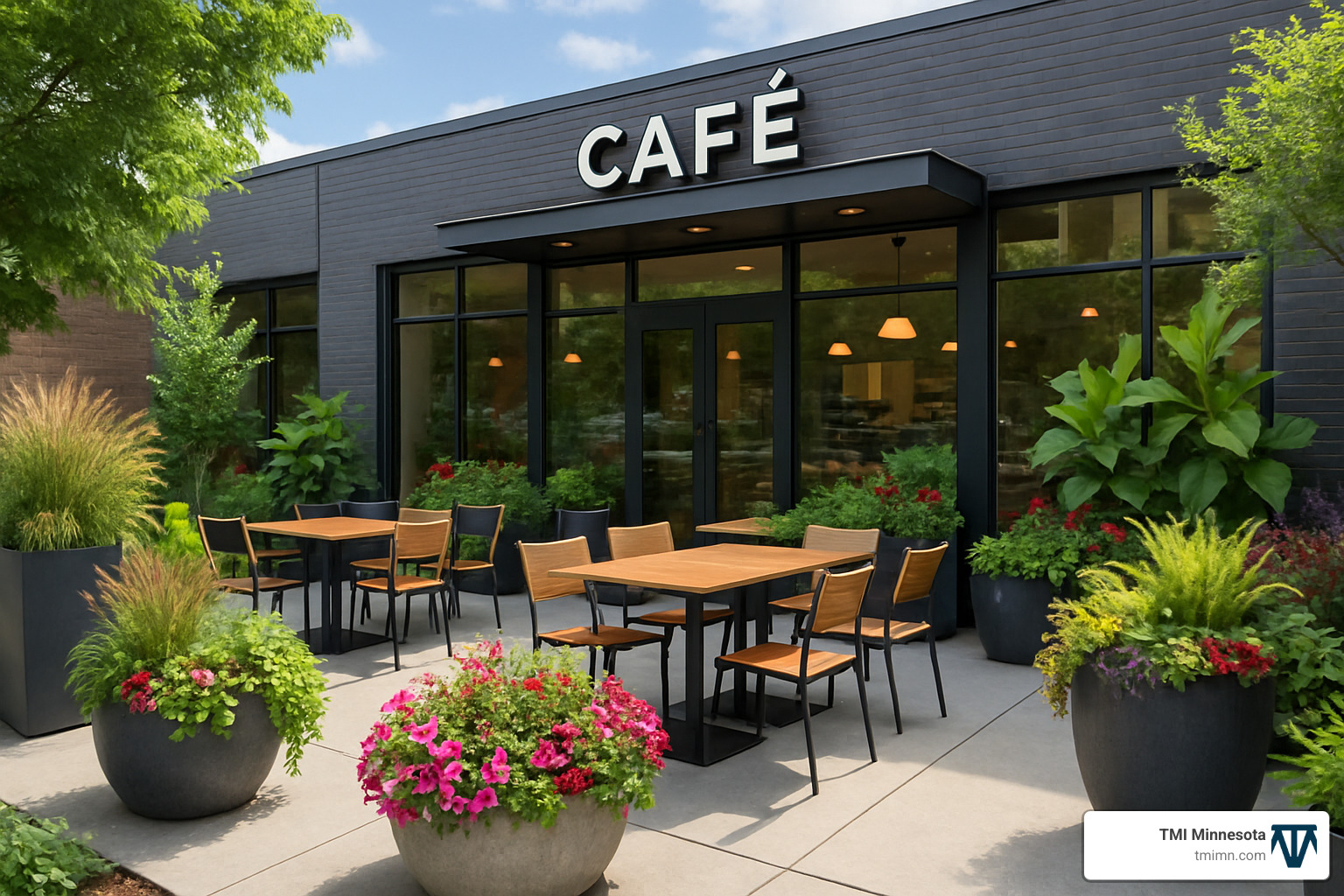
Successful amenity integration considers how people actually use spaces. Morning coffee breaks need different considerations than lunch gatherings or after-work socializing. We design softscapes improving natural usage patterns while keeping maintenance realistic.
Maintaining & Monetizing Commercial Softscapes
Softscapes aren’t “set it and forget it” like concrete walkways. But the ongoing care they require is exactly what makes them valuable – like tending a garden that pays you back with interest.
Smart Irrigation: The biggest game-changer is getting watering right from day one. We design irrigation systems delivering water exactly where plants need it, when needed. Smart controllers adjusting for rainfall and temperature can slash water bills by 30-50%.
Timing: Cost-effective maintenance works with nature’s schedule. We perform major pruning during dormant seasons, schedule seasonal cleanups between peak business periods, and coordinate disruptive work for early mornings or weekends.
Budget Planning: We provide detailed annual maintenance forecasts breaking down exactly what your softscapes need and when. Regular care, seasonal cleanups, plant replacements, irrigation maintenance – all planned and budgeted for informed decisions.
ROI numbers speak for themselves. Properties with professional landscapes see 10-20% increases in property value. For a $2 million commercial property, that’s $200,000-$400,000 in added value. Plus, strategic tree placement cuts energy costs by 15-35% annually.
More info about Softscape Services
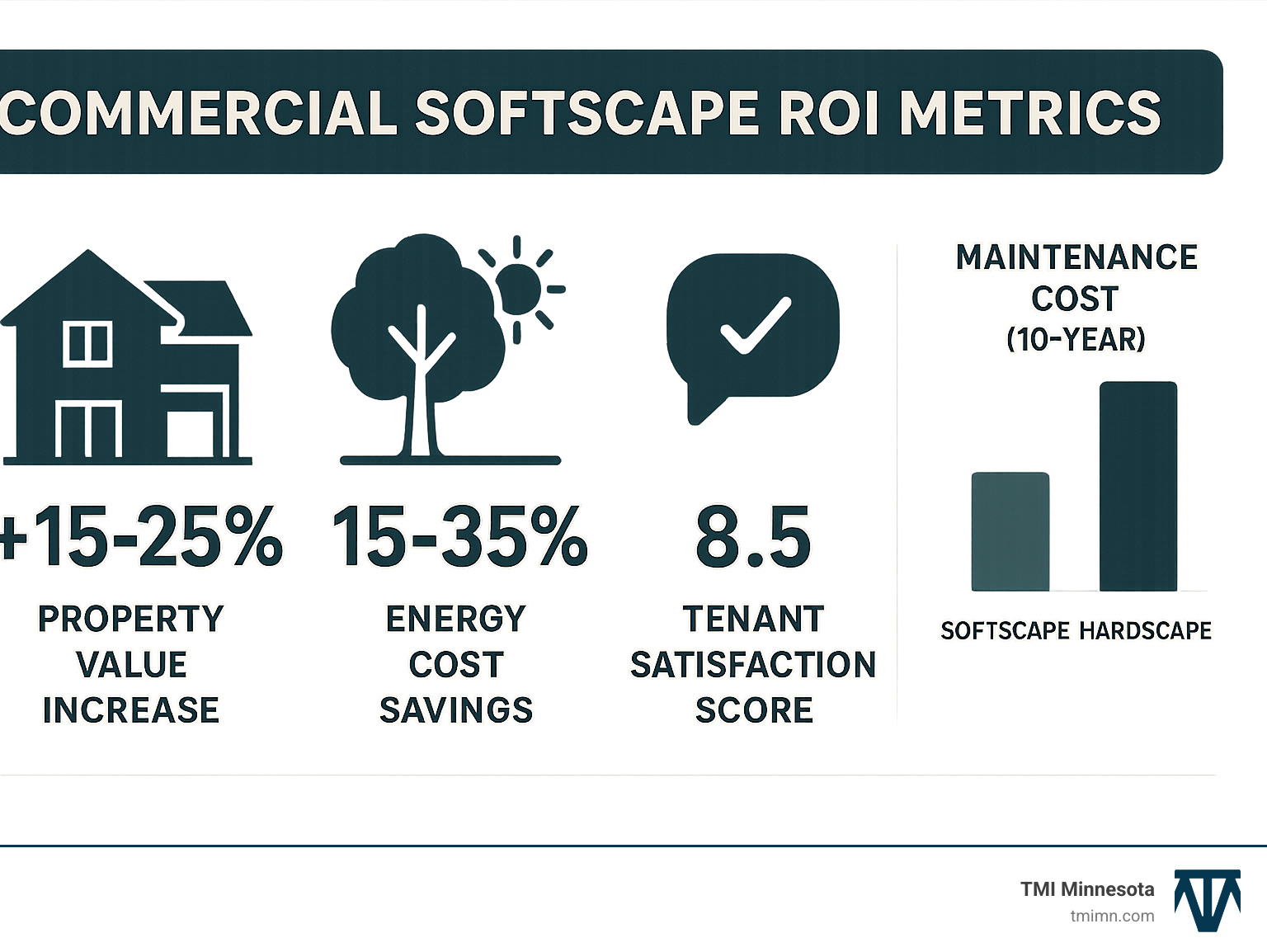
Maintenance Requirements vs. Hardscape Upkeep
While softscapes need more frequent attention than hardscapes, they’re often more predictable and budget-friendly long-term.
Softscape Care Calendar: Living landscapes follow natural rhythms. Weekly tasks like mowing and watering keep things sharp. Monthly activities include pruning, fertilizing, and pest checks. Seasonal work – planting, mulching, cleanup – happens on predictable schedules.
Hardscape Reality: That beautiful concrete patio needs sealing and joint repairs every 3-5 years. Every 15-20 years? Complete replacement. Those costs hit all at once and they’re substantial.
Smart Approach: Modern softscape design focuses on efficiency. We select native plants thriving without babying, install smart irrigation systems, and design layouts minimizing labor-intensive maintenance.
How Softscapes Boost Property Value & Tenant Satisfaction
I’ve watched properties transform from “hard to lease” to “waiting list only” with right landscape improvements. The financial impact is real and measurable.
First Impressions: Your landscape works 24/7 as a marketing tool. Properties with attractive, well-maintained softscapes lease faster, command higher rents, and keep tenants longer. Typical payback period? Three to five years, then pure profit.
Wellness Factor: Today’s tenants invest in employee wellbeing. Access to natural elements, greenery views, and outdoor break spaces have become major selling points. Properties offering these amenities charge premium rents and maintain waiting lists.
Energy Savings: Strategic tree placement reduces cooling costs by 15-35%, while windbreaks cut heating expenses. These savings compound year after year, directly improving net operating income.
Common Mistakes to Avoid in Softscape Projects
Overplanting: New landscapes look sparse, tempting owners to pack in plants for immediate impact. This creates maintenance nightmares within three years when everything crowds together. Plants need room to grow.
Wrong Plant Selection: Choosing plants because they look good in catalogs without considering site conditions is like buying shoes without checking size. Plants need appropriate soil, water, and light conditions.
Ignoring Mature Sizes: Plants grow. Trees planted too close to buildings create foundation problems. Shrubs outgrowing spaces require expensive removal or constant pruning.
Drainage Problems: Poor drainage kills more commercial landscape plants than drought, disease, and pests combined. Understanding water movement and designing appropriate solutions prevents costly plant losses.
Frequently Asked Questions about Commercial Softscapes
How do softscapes differ from hardscapes?
Softscapes are the living soul of your landscape – trees providing shade over parking lots, colorful flower beds welcoming visitors, and grass creating inviting green spaces. These elements grow, change with seasons, and breathe life into your property.
Hardscapes are the bones of your landscape – concrete walkways guiding visitors, stone retaining walls managing slopes, and patio areas for employee breaks. These permanent structures stay the same year-round and provide the framework holding everything together.
The magic happens when both work together. Beautiful softscapes need the structure hardscapes provide, while hardscapes need the softening effect of plants to feel welcoming rather than sterile.
What factors guide plant selection for offices & retail sites?
Choosing plants for commercial properties is like hiring employees – you want reliable performers doing their job well without constant supervision.
Climate compatibility comes first. Here in Minnesota, we work with plants handling harsh winters and hot summers. Working with our climate rather than against it saves money and headaches.
Maintenance requirements directly impact annual budgets. Native plants and drought-tolerant species might cost more upfront but save thousands in water bills and care costs over their lifetime.
Safety considerations are crucial. Plants with thorns near walkways, toxic berries where children play, or species attracting wasps near seating areas create liability issues. We choose plants improving your property without creating risks.
Mature size planning prevents expensive mistakes. That cute tree might grow to block your building sign in five years. We always plan for full-size appearance, not just initial planting.
Seasonal interest keeps properties looking professional year-round. The best commercial landscapes combine plants providing spring flowers, summer shade, fall color, and winter structure.
Can softscapes reduce operating costs for my property?
Absolutely. Well-planned softscapes work like smart investments paying dividends year after year.
Energy savings provide dramatic impact. Strategic shade trees cooling buildings in summer and evergreen windbreaks reducing winter heating costs typically show 15-35% reductions in HVAC expenses.
Stormwater management through plants can reduce or eliminate municipal stormwater fees. Plants naturally absorb rainwater that would otherwise require expensive drainage systems.
Property value increases of 10-20% translate to higher rental rates, faster lease-ups, and better sale prices. Tenants consistently choose well-landscaped properties over stark alternatives.
Tenant retention improves significantly when employees have attractive outdoor spaces. Happy tenants renew leases more often, saving substantial costs of finding new occupants and renovating vacant spaces.
Conclusion & Next Steps
Your commercial property deserves softscapes that work as hard as you do. The living elements we’ve explored aren’t just pretty additions – they’re strategic investments that boost property values, reduce operating costs, and create environments where businesses thrive.
Future-proofing your property means thinking beyond today’s needs. Climate patterns are shifting, and tenants increasingly expect sustainable, wellness-focused environments. Properties with thoughtful, environmentally responsible landscapes will command premium rents while attracting quality tenants.
The best softscape projects happen when property owners partner with experienced professionals who understand both plants and business. You need someone who knows which trees thrive in Minnesota winters, how to design budget-friendly irrigation systems, and what maintenance schedules work for busy commercial properties.
At TMI Minnesota, we’ve spent years perfecting this balance. We know the Twin Cities climate inside and out, and we understand that your landscape needs to look professional year-round while staying within realistic maintenance budgets. Our approach combines horticultural expertise with business sense, using leading-edge products and sustainable practices that deliver lasting value.
Your next step is simpler than you might think. We start with a comprehensive site assessment to understand your property’s unique conditions, opportunities, and challenges. From that assessment, we develop a customized softscape plan that aligns perfectly with your budget, maintenance capabilities, and business objectives.
More info about Environmentally Friendly Gardens
Ready to see what professional softscape design can do for your commercial property? Contact us today to schedule your consultation and find how the right combination of plants, design expertise, and maintenance planning can lift your property’s success.