
Why Sustainable Outdoor Living Matters Now More Than Ever
Sustainable outdoor living is about creating beautiful, functional outdoor spaces that protect the environment, save you money, and require less maintenance over time. It combines thoughtful design with eco-friendly materials, native plants, water conservation, and energy-efficient technology to build outdoor areas that benefit both your family and the planet.
Quick Answer: Core Principles of Sustainable Outdoor Living
- Use eco-friendly materials – Choose recycled composite decking, permeable pavers, reclaimed wood, and locally sourced stone
- Plant native species – Select plants adapted to Minnesota’s climate that need less water and zero pesticides
- Conserve water – Install rain gardens, rain barrels, drip irrigation, and mulch to reduce water waste
- Choose energy-efficient lighting – Use LED and solar-powered lights to cut electricity use by up to 75%
- Design for biodiversity – Create habitats for pollinators, birds, and beneficial insects
- Invest in quality – Select durable materials and structures that last decades, not years
The shift toward sustainable outdoor spaces isn’t just an environmental trend—it’s a practical response to rising utility costs, extreme weather, and the desire for healthier living environments. American households produce nearly 48 tons of CO2 annually, and traditional landscaping practices contribute significantly through water waste, chemical runoff, and energy-intensive maintenance. Meanwhile, families who accept sustainable outdoor design report cutting their utility bills by 25-40% while creating spaces they genuinely enjoy using year-round.
The benefits extend beyond your wallet. Native plants support local ecosystems and pollinators while requiring far less water, fertilizer, and maintenance than exotic species. Trees can reduce your home’s cooling costs by lowering attic temperatures by as much as 40 degrees. Permeable paving manages stormwater runoff and replenishes groundwater instead of contributing to erosion. LED and solar lighting reduces demand on power plants and lessens greenhouse gas emissions. Even your choice of outdoor furniture matters—recycled composite decking is made from 95% recycled materials, diverting millions of pounds of plastic from landfills each year.
But sustainable outdoor living isn’t about sacrifice or settling for less. It’s about making smarter choices that improve your lifestyle while protecting the resources future generations will need. Whether you’re planning a complete backyard change or taking small steps toward a greener space, the strategies in this guide will help you create an outdoor environment that’s beautiful, functional, and built to last.
I’m Christopher Deanovic, Operations Leader at TMI Minnesota, where I’ve spent years helping Minnesota homeowners design and build outdoor spaces that balance aesthetic appeal with environmental responsibility. Through hands-on experience with sustainable outdoor living projects across the region, I’ve seen how the right materials, native plantings, and thoughtful design create landscapes that thrive with minimal intervention while delivering maximum enjoyment.
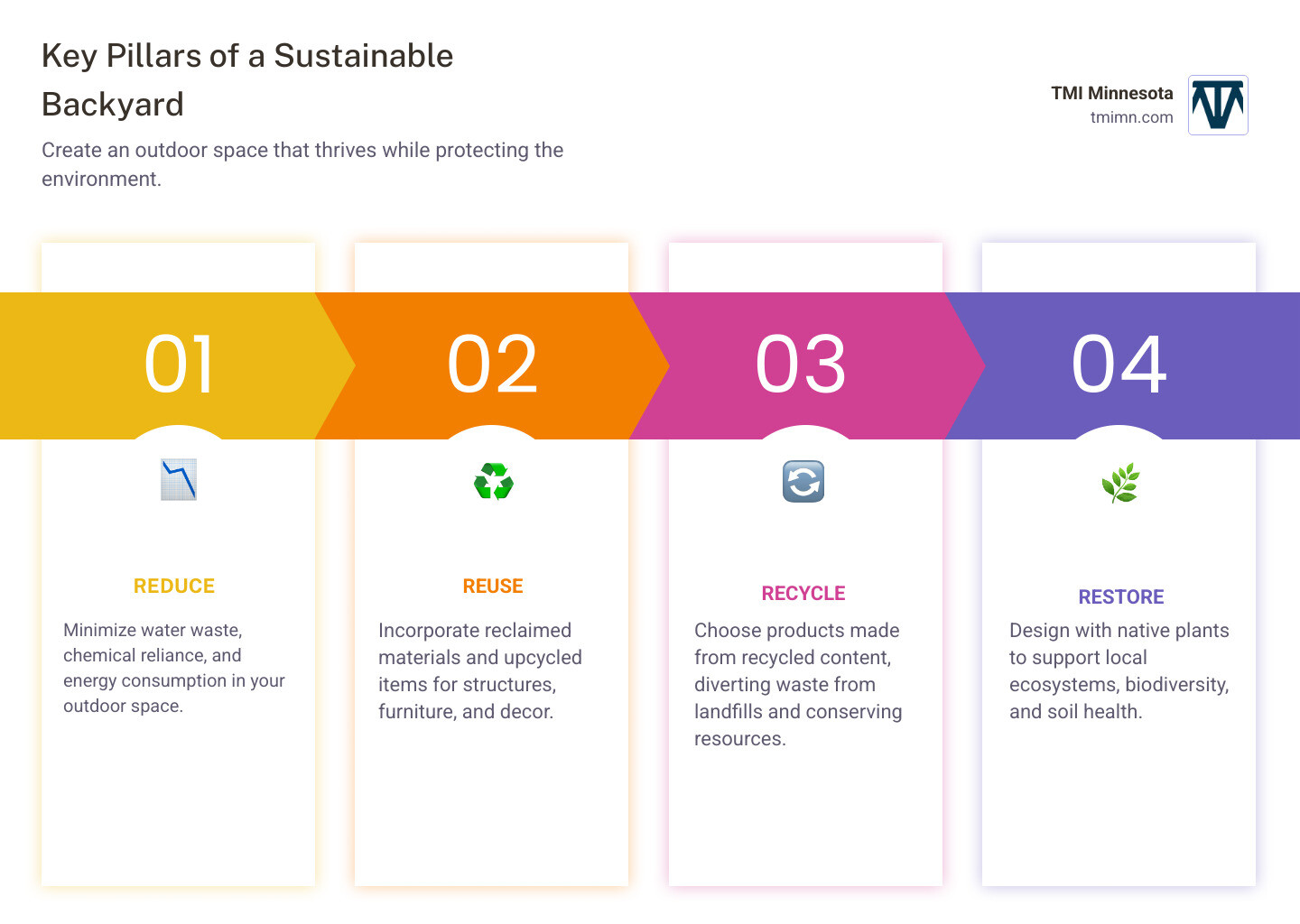
Quick sustainable outdoor living terms:
The Foundation: Eco-Friendly Materials and Structures
Creating a truly sustainable outdoor space starts from the ground up, literally. The materials we choose for our hardscapes and softscapes form the backbone of a planet-friendly design, impacting everything from water runoff to long-term maintenance. We believe in using leading-edge products that not only lift your yard living but also minimize environmental impact.
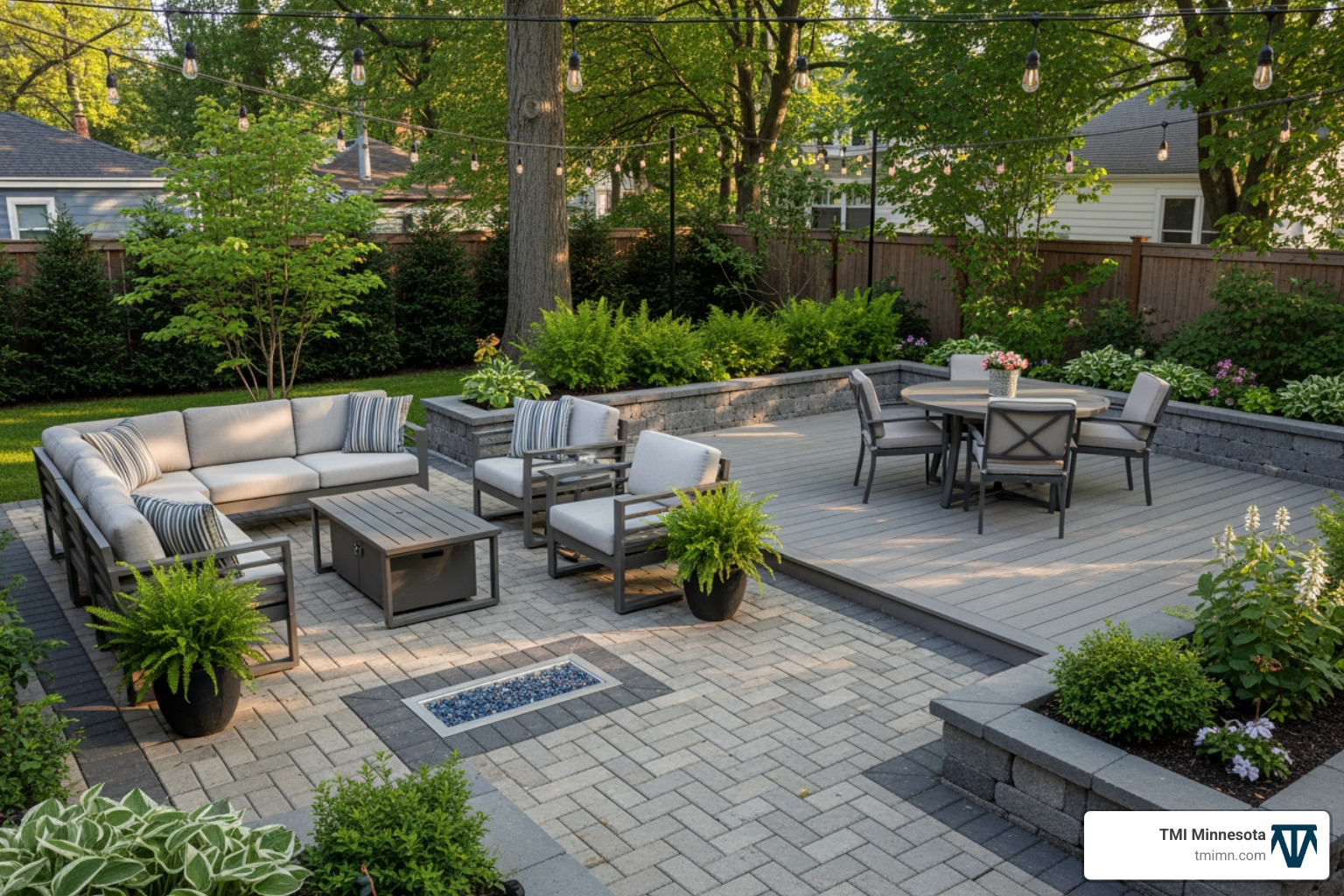
When we talk about eco-friendly materials, we’re looking for options that are durable, require minimal maintenance, are made from recycled content, or are responsibly sourced. This ensures that your investment lasts, reduces waste, and supports healthier ecosystems. For more on integrating these elements, check out our guide on Softscaping and Hardscaping.
The demand for outdoor living spaces has surged, especially in recent years, making it more critical than ever to consider sustainable choices. As experts in Designing Sustainable Outdoor Living Spaces, we guide our clients in selecting materials that offer both beauty and ecological benefits.
Designing Sustainable Hardscape Features
Hardscapes—like patios, walkways, and retaining walls—are the bones of your outdoor space. Designing them sustainably involves careful consideration of their impact on water management and resource consumption.
Our primary goal is to reduce runoff and promote groundwater recharge. Traditional impervious surfaces, like solid concrete, force rainwater into storm drains, often carrying pollutants and contributing to erosion. That’s why we champion permeable surfaces, such as permeable pavers. These innovative materials allow rainwater to seep through, replenishing the water table below and significantly reducing stormwater runoff. This is a crucial aspect of Sustainable Landscaping Techniques in the Twin Cities, where managing our precious water resources is paramount.
For foundations and other structural elements, we look for materials that are both robust and environmentally conscious. Recycled concrete, for instance, offers a way to repurpose construction waste, and newer concrete formulations are helping to reduce its historically high embodied carbon footprint. When building in Minnesota, we pay close attention to proper foundations to withstand our region’s freeze-thaw cycles, ensuring longevity and preventing the need for frequent repairs. This foresight in design protects your investment and minimizes future material consumption.
Choosing Eco-Friendly Furniture and Structures
The furniture and structures in your outdoor space should be an extension of your commitment to sustainability. We guide our clients toward choices that are durable, weather-resistant, and made from materials with a low environmental footprint.
Recycled plastic furniture has come a long way from its early iterations. Modern options are stylish, incredibly durable, and divert significant amounts of plastic waste from landfills. Imagine enjoying a comfortable Adirondack chair knowing it was once a milk jug!
For wood elements, such as pergolas, privacy fences, or custom-built garden features, we prioritize FSC-certified wood. This certification ensures the timber comes from responsibly managed forests, promoting sustainable forestry practices. Reclaimed wood, salvaged from old barns or industrial buildings, is another fantastic option. It boasts unique character and gives new life to materials that would otherwise be discarded. We love seeing old barn beams transformed into a stunning outdoor dining table or a rustic pergola.
Metal, particularly galvanized steel or aluminum, offers sleekness, durability, and low maintenance. These materials are resilient against Minnesota’s varied weather and are often made with recycled content, making them an excellent choice for railings or modern outdoor structures. While we focus on materials like these for permanent installations, it’s worth noting that even for functional elements like sheds, options exist that balance looks and longevity. For a deeper dive into materials for outdoor structures, you might find articles discussing options like Metal or wooden shed informative, though our focus remains on integrating these principles into your core living spaces.
For cushions and upholstery, we suggest weather-resistant fabrics that are also removable and washable, extending their lifespan and reducing the need for replacements. Multipurpose furniture, like an outdoor ottoman that doubles as storage, is another smart choice, maximizing utility and minimizing clutter.
The Living Landscape: Fostering Biodiversity and Conserving Water
Once the hardscape is in place, we turn our attention to the living elements that breathe life into your outdoor space. A sustainable outdoor living environment is one where nature thrives, water is conserved, and biodiversity is celebrated. This approach creates not just a beautiful yard, but a vibrant ecosystem that supports local wildlife and reduces your ecological footprint. Our goal is to create Environmentally Friendly Gardens that are both stunning and sustainable.
Using the Power of Native Plants
One of the most impactful choices you can make for a sustainable backyard in the Twin Cities is to accept native plants. These are species that have historically grown naturally in Minnesota, meaning they are perfectly adapted to our climate, soil, and local ecosystem.
The benefits are truly remarkable:
- Reduced Water Use: Native plants require far less supplemental watering once established, drastically cutting down on your water bill and conserving a precious resource.
- Fewer Pesticides and Fertilizers: Because they’ve evolved to thrive here, native plants are naturally more resistant to local pests and diseases, and they don’t typically need chemical fertilizers. This keeps harmful chemicals out of our soil and waterways.
- Local Ecosystem Support: Native plants provide essential food and shelter for local wildlife, including pollinators like bees and butterflies, and various bird species. This helps reverse habitat loss and supports a healthy, balanced ecosystem right in your backyard.
- Pollinator Gardens: By carefully selecting a variety of native flowering plants, you can create a vibrant pollinator garden that buzzes with life from spring through fall.
At TMI Minnesota, we specialize in Native Plant Landscaping, helping you select the perfect species for your specific site conditions.
Here’s a general list of Minnesota native plants that thrive in our region:
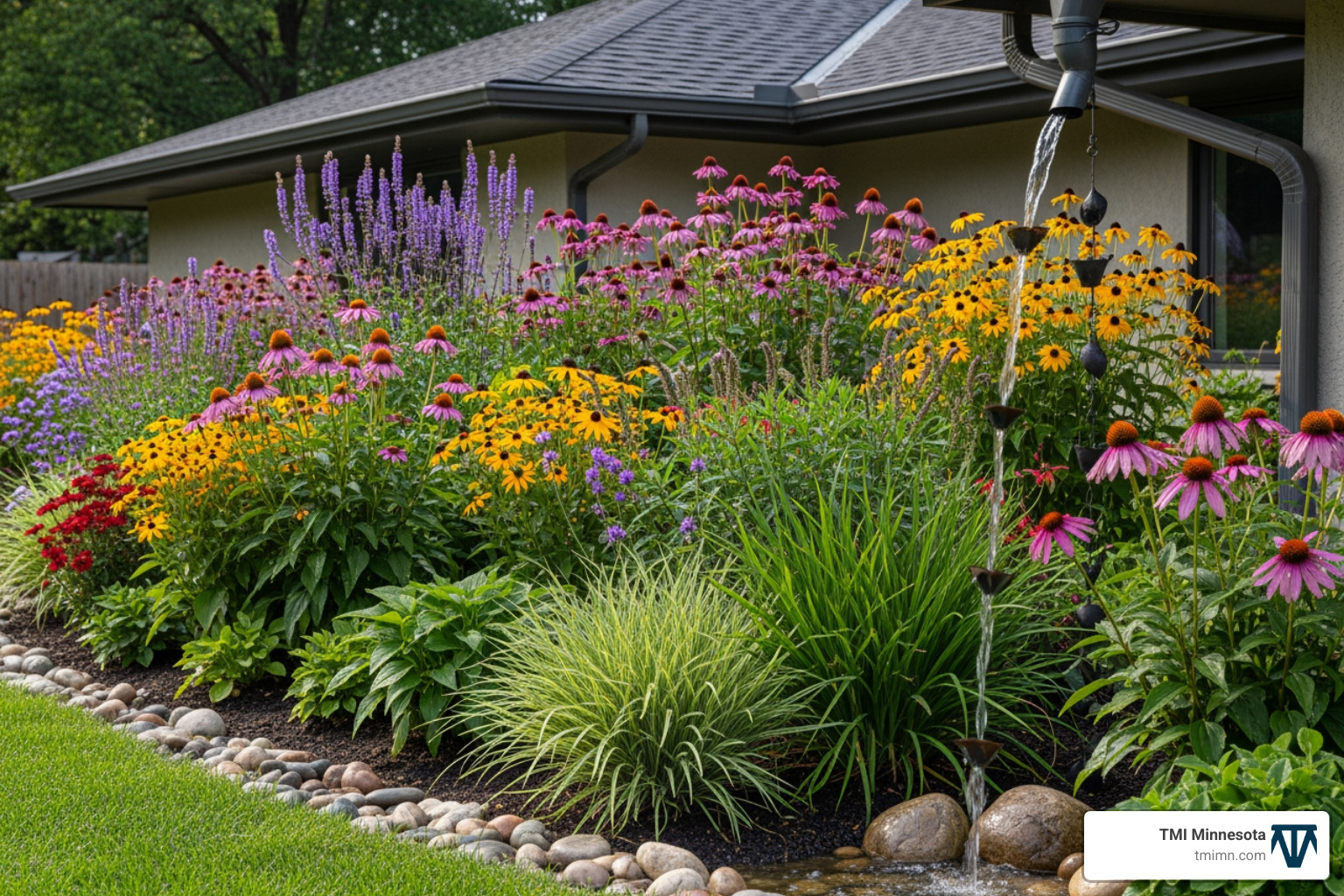
- For Sunny Areas: Purple Coneflower, Butterfly Milkweed, Wild Bergamot, Little Bluestem, Prairie Dropseed.
- For Shady Areas: Wild Ginger, Canada Anemone, Large-leaved Aster, Ostrich Fern, Virginia Bluebells.
These choices not only conserve resources but also reduce maintenance, allowing you more time to enjoy your outdoor sanctuary. For a more extensive look at what thrives here, explore our Minnesota Native Plants resources.
Smart Water Conservation Strategies
Water is a precious resource, and its conservation is a cornerstone of sustainable outdoor living. We employ a range of smart strategies to minimize water waste and ensure your landscape thrives even during drier periods.
One of the most visible and effective methods is rainwater harvesting. This can be as simple as installing rain barrels to collect runoff from your roof. These barrels provide a free, natural water source for your garden beds and potted plants, saving thousands of gallons of municipal water annually. For larger properties or more integrated systems, we design and install rain gardens. These specially designed depressions capture and filter stormwater runoff, allowing it to slowly infiltrate the ground rather than overwhelming storm drains. Our Rain Garden Design MN services are custom to create beautiful and functional solutions for your property.
Beyond collection, efficient delivery is key. Drip irrigation systems deliver water directly to the plant roots, minimizing evaporation and runoff, and can save up to 50% more water compared to traditional sprinklers. Smart irrigation systems take this a step further, using sensors and real-time weather data to adjust watering schedules automatically. This means your plants get precisely what they need, when they need it, preventing overwatering and unnecessary waste.
Finally, mulching is a simple yet powerful tool. A layer of organic mulch around your plants helps retain soil moisture, suppresses weeds (reducing the need for herbicides), and slowly enriches the soil as it breaks down. By combining these strategies, we create landscapes that are not only beautiful but also remarkably water-efficient, embodying the principles of Drought Resistant Landscaping adapted for our Minnesota climate.
The Role of Trees and Vertical Gardens
Trees are truly the unsung heroes of a sustainable backyard. They are a long-term investment that offers immediate and lasting benefits. Strategically placed trees can dramatically reduce your home’s cooling costs by providing natural shade. In fact, trees can reduce attic temperatures by as much as 40 degrees, easing the burden on your air conditioning unit and lowering energy bills. This is a smart, sustainable solution that pays dividends for decades.
Beyond cooling, trees play a vital role in carbon sequestration, absorbing carbon dioxide from the atmosphere. They also reduce noise pollution, offer privacy, and, perhaps most importantly, provide essential habitat and food sources for local wildlife. We consider trees the backbone of many a cherished childhood memory, and we strive to incorporate them thoughtfully into every design.
For smaller spaces or to add dramatic greenery, vertical gardens are an increasingly popular and effective solution. These living walls, whether a trellis covered in native vines or a series of stacked planters, maximize green space without consuming valuable ground area. They create instant aesthetic focal points, improve air quality, and can even provide food sources for birds with their seeds. Vertical gardens are truly “all the rage” for a reason—they bring lushness to any outdoor area. You can learn more about their versatility at Vertical gardens.
Powering Your Space: Energy-Efficient Tech for Sustainable Outdoor Living
Our commitment to sustainable outdoor living extends to how we power and illuminate these spaces. Integrating energy-efficient technologies and smart solutions is key to reducing your carbon footprint and enjoying your outdoor areas responsibly. Every choice, from a light fixture to an appliance, impacts our planet and your wallet. This is central to our approach to Eco-Friendly Landscape Design.
Energy-Efficient Lighting Solutions
Lighting plays a crucial role in extending the usability and ambiance of your outdoor space, but it shouldn’t come at a high environmental cost. We wholeheartedly recommend making the switch to energy-efficient lighting solutions if you haven’t already.
LED lighting is now the gold standard. LED lights reduce the demand on power plants and significantly lessen greenhouse gas emissions, a critical factor given that electricity and heat production account for a quarter of all global greenhouse emissions. They are incredibly durable, long-lasting (up to 25 times longer than traditional incandescent bulbs), and use up to 75% less energy. This translates directly into lower electricity bills for you.
Solar-powered lights are another fantastic option, especially for pathways, garden accents, or even around your pool. They harness the sun’s energy during the day to glow beautifully at night, costing nothing to operate and creating a mesmerizing ambiance. For added efficiency and convenience, we integrate low-voltage systems with motion sensors and timers, ensuring lights are only on when and where they’re needed. This thoughtful approach minimizes energy waste and maximizes enjoyment of your outdoor haven.
Designing a Sustainable Outdoor Kitchen
An outdoor kitchen is the ultimate luxury for many homeowners, but it can also be designed with sustainability in mind. Cooking outdoors, especially on hot Minnesota summer days, can even help reduce your home’s air conditioning load by keeping indoor heat out.
When designing a sustainable outdoor kitchen, we prioritize:
- Energy-Efficient Appliances: We select outdoor-rated appliances that are known for their efficiency, such as refrigerators and cooktops that consume less power.
- Sustainable Material Choices: For cabinetry, marine-grade plywood or recycled plastic composite lumber offers excellent rot resistance and durability, outperforming traditional wood in outdoor conditions. Countertops made from recycled glass or porcelain are not only beautiful but also eco-friendly. For decking around the kitchen, sustainably sourced lumber or recycled composite materials are top choices.
- Water-Saving Fixtures: If your outdoor kitchen includes a sink, we recommend water-saving fixtures that minimize water consumption without sacrificing functionality.
- Eco-Friendly Fire Features: The choice of cooking fuel matters. For grills, lump charcoal (made from pure carbonized hardwood) is a cleaner-burning alternative to traditional briquettes. Sustainably sourced wood chips (like apple or hickory) can also add delicious flavor. For fire pits, which are consistently rated as a top outdoor upgrade for happiness, gas options offer a cleaner burn and easier maintenance compared to wood-burning pits, which can produce more particulate matter.
Here’s a quick comparison of popular outdoor fire features:
| Feature Type | Environmental Impact | Maintenance |
|---|---|---|
| Wood Fire Pit | Emits smoke and particulates, uses natural resources | Requires wood, ash cleanup, regular tending |
| Gas Fire Pit | Cleaner burn, less particulate matter, uses natural gas | Minimal cleanup, easy on/off, annual inspection |
| Lump Charcoal | Cleaner than briquettes, uses carbonized hardwood | Ash cleanup, requires proper disposal |
For an exhaustive guide on creating a kitchen that’s both functional and green, check out Building a Sustainable Outdoor Kitchen: A Definitive Guide.
Integrating Smart Home Technology
Smart home technology isn’t just for indoors; it’s a powerful ally in creating a truly sustainable outdoor living space. By automating and optimizing various systems, we can significantly reduce resource consumption and improve convenience.
Smart irrigation systems are perhaps the most impactful outdoor smart tech. These systems use real-time weather data and soil moisture sensors to precisely determine when and how much to water. This means your landscape gets exactly what it needs, preventing overwatering and saving substantial amounts of water—often reducing usage by 20-50%. This is a game-changer for water conservation in the Twin Cities.
Automated lighting systems, integrated with smart home platforms, allow you to control outdoor lights from your phone, set schedules, and even incorporate motion sensors. This ensures that lights are only on when needed, further reducing energy consumption. Imagine your pathway lights gently illuminating as you approach, then dimming once you’re safely inside. You can explore more about these possibilities with smart lighting solutions.
Beyond these, smart controllers can manage various aspects of your outdoor environment, from pool pumps to outdoor heaters, optimizing their operation for energy efficiency. This integration of technology allows for remote management and weather-based adjustments, putting you in control of your outdoor oasis’s environmental impact and operational costs.
Frequently Asked Questions about Sustainable Outdoor Living
We often hear questions from homeowners in the Twin Cities about how to make their outdoor spaces more sustainable. Here are some of the most common inquiries and our expert advice.
Can you create a sustainable outdoor space on a small budget?
Absolutely! Sustainable outdoor living doesn’t require a massive budget or a complete overhaul. We encourage a phased approach, starting with small, impactful changes.
- DIY Projects: Upcycle old tires into colorful planters or turn glass jars into charming solar-powered lanterns. These projects add personality and reduce waste.
- Secondhand Finds: Look for used outdoor furniture at local consignment shops or online marketplaces. A little TLC can give these pieces a new life.
- Native Seeds and Plants: Starting plants from native seeds is incredibly affordable. Many native plants are also budget-friendly, especially when purchased as smaller starts, and they require less water and maintenance in the long run.
- Phased Approach: Begin with simple changes like adding a rain barrel, then gradually incorporate more significant features like a native plant garden or permeable patio when your budget allows. Every step makes a difference!
How can renters make their outdoor spaces more sustainable?
Even if you don’t own your property, you can still accept sustainable outdoor living. The key is to focus on portable and removable solutions.
- Container Gardening: Grow herbs, vegetables, or native flowers in pots and containers. This allows you to take your greenery with you if you move.
- Potted Native Plants: Choose native plants that thrive in containers. They’ll still attract pollinators and require less water than exotic species.
- Portable Solar Lights: These are perfect for ambient lighting on patios or balconies, requiring no wiring and consuming no electricity from the grid.
- Removable Decor: Opt for natural fiber rugs, hammocks, and other decorative elements that can easily be packed up.
- Worm Composting Bins: A small, contained worm bin can process kitchen scraps into rich compost for your potted plants, reducing waste without impacting your rental property.
How do you reduce pests naturally in a sustainable garden?
Dealing with pests without resorting to harsh chemicals is a hallmark of sustainable outdoor living. Our approach focuses on creating a balanced ecosystem that naturally deters unwanted visitors.
- Companion Planting: Certain plants naturally repel pests or attract beneficial insects that prey on pests. For example, planting marigolds can deter nematodes, while dill and cilantro attract ladybugs (which eat aphids).
- Attracting Beneficial Insects: Encourage ladybugs, lacewings, and predatory wasps by planting a diverse array of native flowers. These helpful insects act as your garden’s natural pest control.
- Healthy Soil: A vibrant, healthy soil ecosystem supports strong, resilient plants that are better equipped to fend off pests. We emphasize organic soil amendments and mulching to build soil health.
- Native and Resilient Plants: Choosing native plants adapted to Minnesota’s climate means they are less susceptible to local pests. You might also consider plants known to be Deer Resistant Plants MN if that’s an issue in your area.
- Pet-Friendly Design: When designing for a Pet-Friendly Landscape Design, we also consider pest management methods that are safe for your furry friends.
Conclusion
Embracing sustainable outdoor living is more than just a trend; it’s a smart, responsible, and rewarding way to improve your home and contribute positively to our planet. From the foundational choices of recycled materials and permeable hardscapes to the vibrant life of native plants and the efficiency of smart technology, every decision we make in our outdoor spaces has a ripple effect.
By investing in a sustainable backyard, you’re not only reducing your carbon footprint and conserving precious resources but also enjoying significant financial benefits through lower utility bills and reduced maintenance. You’re creating a personal sanctuary that thrives with minimal intervention, supports local biodiversity, and increases your property’s value.
At TMI Minnesota, we are passionate about environmental stewardship and bringing these principles to life for homeowners across the Twin Cities. Our expertise in unique designs, hardscape, and softscape installations, combined with our commitment to leading-edge products, ensures that your vision for a sustainable outdoor space becomes a beautiful reality.
Ready to transform your yard into a planet-friendly oasis that you’ll love for years to come? Let us help you design and build an outdoor space that’s as good for the earth as it is for your family and friends. Transform your yard with a professional landscaping design today.