
Creating Your Private Outdoor Sanctuary
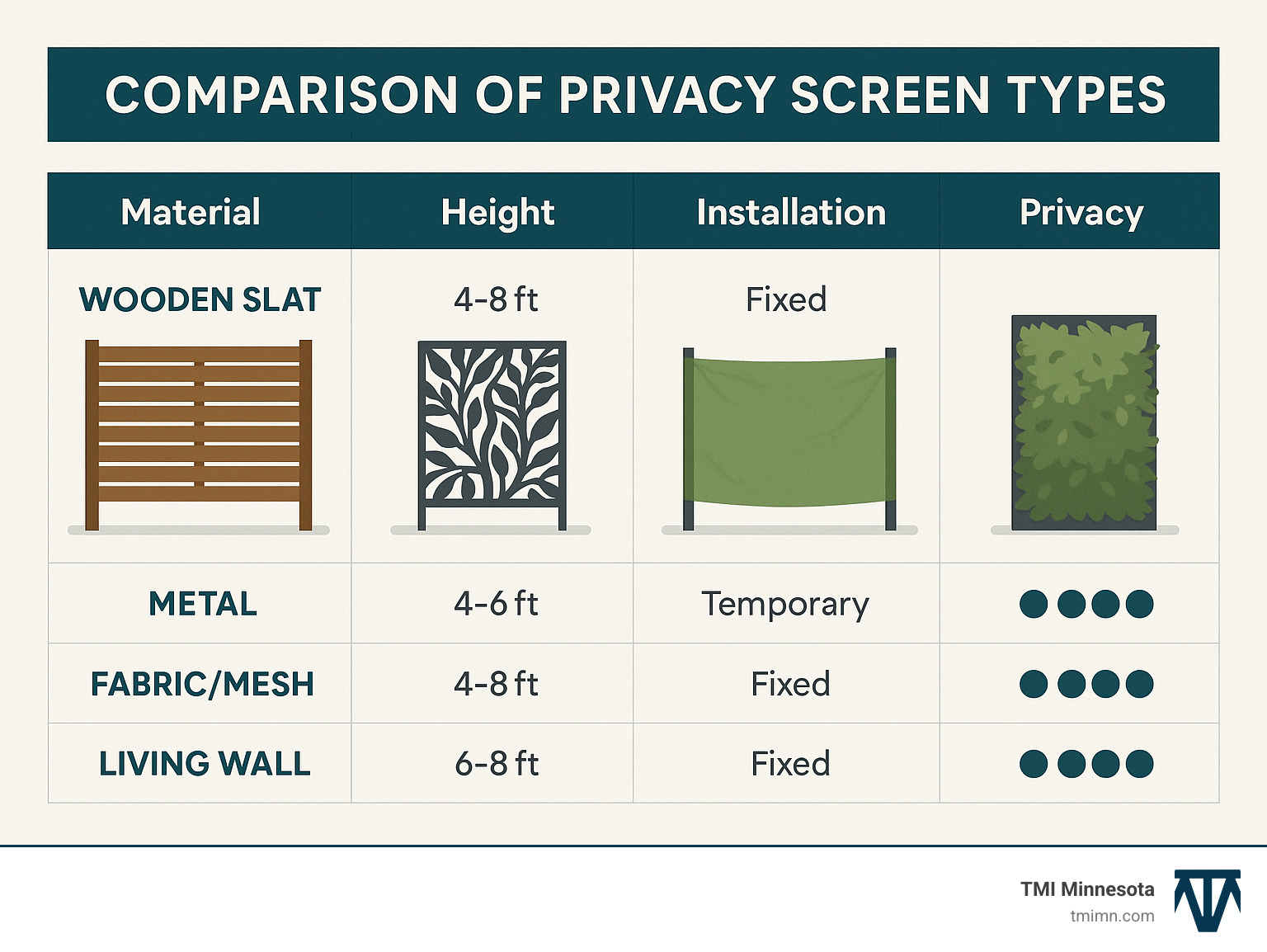
Backyard privacy screens are versatile barriers that shield your outdoor space from neighbors’ views while enhancing your landscape design. Looking for quick privacy solutions? Here are your best options:
| Screen Type | Best For | Average Cost | Installation Difficulty |
|---|---|---|---|
| Wooden Slat Panels | Natural aesthetic | $100-300 per panel | Moderate |
| Metal Laser-Cut | Modern design | $200-500 per panel | Moderate |
| Fabric/Mesh | Temporary solutions | $50-150 per panel | Easy |
| Living Walls | Eco-conscious homeowners | $150-400 per section | Easy to Moderate |
| Composite Panels | Low maintenance | $150-350 per panel | Easy |
We all crave a peaceful retreat in our own backyards – a place to relax, entertain, or simply enjoy morning coffee without feeling like we’re on display. Privacy screens transform ordinary yards into secluded havens, creating boundaries that feel inviting rather than fortress-like.
Unlike traditional fencing, privacy screens offer flexibility in placement, style, and function. They can be permanent fixtures anchored in concrete, or movable elements that adapt to your changing needs. The right screen not only blocks unwanted views but also adds visual interest, filters sunlight, and even reduces noise.
Modern screens come in countless designs – from natural wood slats that warm up contemporary spaces to decorative metal panels that double as outdoor art. For smaller yards or rental properties, portable options like planter boxes with built-in trellises or folding panels provide privacy without permanent installation.
I’m Christopher Deanovic, Operations Leader at Task Masters, where I’ve helped countless homeowners transform their outdoor spaces with custom backyard privacy screens that balance seclusion with style across Minnesota’s varied landscapes and challenging climate conditions.
Basic Backyard privacy screens terms:
– Backyard patio ideas
– Landscape renovation services
– Tree planting services
Backyard Privacy Screens vs. Traditional Fencing
There’s something liberating about choosing backyard privacy screens instead of traditional fencing. As I chatted with Sarah from Bloomington last week, she summed it up perfectly: “My privacy screen feels like an extension of my personality, not just a boundary. It’s part of my garden’s story, not just its border.”
Privacy screens typically save you 20-40% compared to full perimeter fencing—mainly because you can place them strategically where you actually need privacy, rather than surrounding your entire yard. Their modular nature means you can start small and expand as your budget allows or as your privacy needs evolve.
“The breeze is what sold me,” James from Eagan told me during a recent consultation. “Our old wooden fence made summer evenings feel stagnant and stuffy. Now, with our slatted cedar screen, we still have privacy from the neighbor’s deck, but air flows through beautifully. It’s like the yard can breathe again.”
For weekend warriors and DIY enthusiasts, many privacy screens come in ready-to-assemble kits that don’t require specialized tools or construction experience. Unlike fence installation—which often involves digging deep post holes, mixing concrete, and precise measurements—many screens can transform your space in a single Saturday afternoon project.
| Feature | Privacy Screens | Traditional Fencing |
|---|---|---|
| Cost | $50-500 per section | $15-50 per linear foot |
| Installation | Often DIY-friendly | Usually requires professionals |
| Permits | Fewer restrictions | Often requires permits |
| Flexibility | Can be moved/reconfigured | Permanent installation |
| Airflow | Better ventilation | Limited airflow |
| Light | Filtered light options | Typically blocks light |
| Design options | Highly customizable | Limited by structural needs |
| Maintenance | Varies by material | Regular maintenance required |
Choosing Backyard Privacy Screens for Small Spaces
Small outdoor spaces deserve big privacy solutions that don’t overwhelm. Whether you’re working with a condo balcony, tiny urban yard, or apartment patio, thoughtful screen choices can create intimacy without claustrophobia.
“Our apartment balcony felt like we were living in a fishbowl,” Lisa from Uptown Minneapolis shared. “We found these lightweight bamboo screens that attach with simple hooks. They give us privacy without making our small space feel tiny, and we can roll them up on cooler days when we want more light.”
For compact spaces, weight matters as much as width. Lightweight materials like canvas, bamboo, and aluminum work beautifully for balconies and rooftop gardens where structural load is a concern. Vertical solutions make the most of limited square footage—think hanging panels that don’t consume precious floor space, or railing-mounted options that attach directly to existing structures.
Portability becomes a prized feature in rental properties or spaces that serve multiple purposes. Folding screens can expand when you’re enjoying morning coffee and tuck away when you’re hosting a gathering. Multi-functional screens with built-in planters or shelving give you privacy plus storage—perfect for urban dwellers who need to maximize every inch.
Maintaining Backyard Privacy Screens Year-Round
Minnesota’s four distinct seasons (sometimes all in one week!) demand thoughtful maintenance for outdoor elements. Your backyard privacy screens will thank you for a little seasonal attention.
For wooden screens, I always recommend applying a UV-protective sealer every 1-2 years. This simple step prevents the beautiful cedar from turning gray and developing splits. My client in Wayzata has had the same pine screen for seven years—it still looks fresh because she faithfully reseals it each spring before the summer sun gets intense.
Metal screens need occasional check-ups, especially at connection points where moisture can hide. Touch up any chips in powder coating quickly to prevent rust from spreading. “I keep a small bottle of matching touch-up paint in the garage,” says Tom from St. Paul. “Five minutes of spot treatment has kept our decorative metal screen looking new through four Minnesota winters.”
Fabric and mesh options appreciate a little seasonal care too. Most can be cleaned with mild soap and water before winter storage. If you’d rather leave them out year-round, invest in heavier-weight outdoor fabrics specifically rated for northern climates. The extra few dollars upfront save significant replacement costs later.
Living screens follow nature’s rhythm:
– Spring: Feed and trim away winter damage
– Summer: Monitor moisture needs during hot spells
– Fall: Light pruning and root protection
– Winter: Wrap or shield more delicate varieties
“My arborvitae screen has been my best landscape investment,” Beth from Minnetonka told me. “The secret was proper spacing at planting and deep, consistent watering that first year. Now they’re established, they handle our winters beautifully with minimal fussing.”
At TMI Minnesota, we’ve seen how the right privacy solution transforms not just your space, but how you feel in it. Ready to create your own secluded outdoor haven? Learn more about our outdoor privacy solutions custom to Minnesota’s unique environment.
Buyer’s Checklist: Picking the Perfect Screen
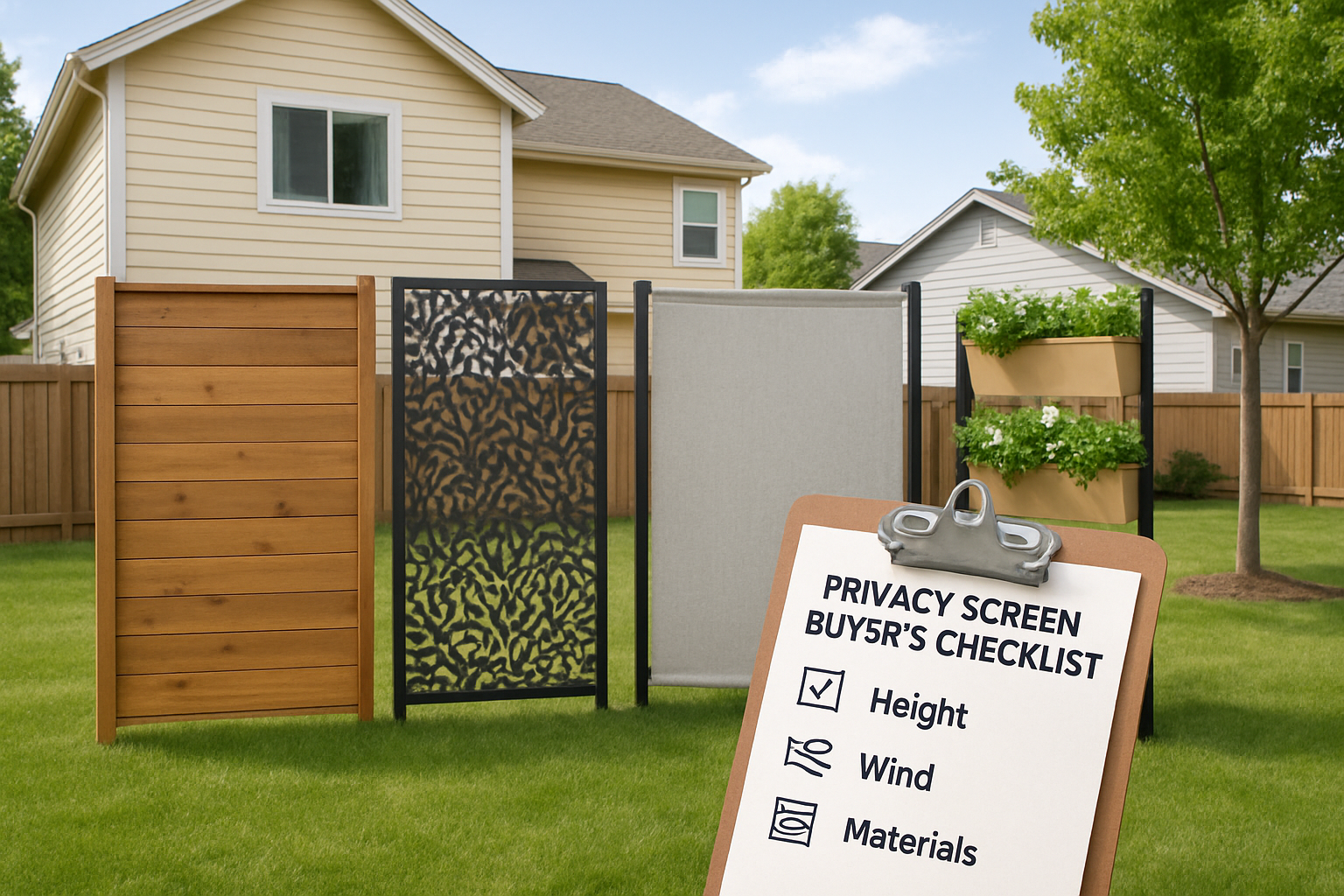
Shopping for a backyard privacy screen can feel a bit like dating – you need the right match for a long-term relationship that works with your lifestyle. I’ve helped countless Twin Cities homeowners find their perfect match, and trust me, a little planning goes a long way!
Before falling in love with that gorgeous cedar screen on Pinterest, take a moment to consider what will actually work in your space. As one of my Edina clients laughed, “I almost bought panels that would have turned my patio into a wind tunnel during our first spring storm!”
Height regulations should be your first checkpoint. Most Twin Cities areas limit free-standing structures to 6-8 feet without special permits, but every municipality has its own rules. Your HOA might have even stricter guidelines. One Maple Grove family learned this lesson the hard way when they installed beautiful 8-foot panels only to receive a notice that their neighborhood had a 6-foot maximum.
Wind exposure matters tremendously in our Minnesota climate. Those beautiful solid panels might look stunning on a calm day, but our infamous prairie winds have other ideas. Consider designs with gaps or slats that allow airflow while maintaining privacy. A Bloomington homeowner shared her experience: “After our solid panel became a sail in a thunderstorm, we switched to a slatted design that still keeps nosy neighbors at bay but lets those gusty days pass right through.”
Style compatibility creates that seamless look that makes your outdoor space feel intentional rather than cobbled together. Your screen should feel like it belongs with your home’s architecture. Modern homes with clean lines pair beautifully with sleek metal or composite panels, while traditional homes often sing with wooden or lattice screens that echo architectural details.
Climate durability is non-negotiable in our land of 10,000 weather changes. I always tell my clients, “What works in a California design magazine might become a popsicle in a Minnesota January.” Look for materials specifically rated for temperature extremes and moisture cycles. Cedar, composite, and powder-coated metals tend to be champions in our climate.
Your budget will naturally guide your choices, but there’s something for every price point:
– Economy ($50-150): Bamboo rolls, fabric screens, and simple wooden lattice provide privacy without breaking the bank
– Mid-range ($150-350): Cedar panels, composite screens, and metal grid panels offer better durability and style
– Premium ($350+): Custom designs, motorized options, and architectural-grade materials create truly special spaces
“Creating a checklist saved my sanity,” admits Eden Prairie resident Sarah Johnson. “I was drowning in options until I wrote down exactly what I needed – 7 feet tall, low maintenance, modern look, and under $300 per section. Suddenly my choices became clear!”
For more custom guidance on outdoor solutions specifically designed for Minnesota’s unique climate challenges, check out our comprehensive outdoor privacy solutions page.
Measure Twice, Buy Once
Nothing is more frustrating than that sinking feeling when your beautiful new panels arrive and… they don’t fit. I’ve seen this heartbreak too many times not to emphasize the importance of precise measurements.
Start by measuring the exact length where you need privacy. Then remember that posts or mounting hardware add width – typically 2-4 inches per connection. That 20-foot run might need four 5-foot panels plus five posts, not just four panels placed edge to edge. That small miscalculation can leave you with an annoying gap or panels that won’t fit.
Height is equally crucial. One clever Woodbury client shared her approach: “I sat in my favorite chair and had my husband stand at the property line. I measured from my deck to just above his eye level. This gave me the minimum effective height without building the Great Wall of Minnesota in my backyard.”
Before you grab that post-hole digger, please call Gopher State One Call (811). This free service marks underground utilities so you don’t accidentally create an impromptu neighborhood blackout. Trust me, your neighbors appreciate this step!
Don’t forget to account for:
– Door and gate clearances (that 36-inch gap needs a bit more space for hinges)
– Overhead obstructions like tree branches (they’ll grow and can damage your screen)
– Proper clearance around air conditioning units (blocking airflow can damage your system)
– Sight lines from where you actually sit (what good is privacy if it doesn’t block the view from your favorite chair?)
Materials 101
Choosing the right material for your backyard privacy screen is like picking the right outfit for Minnesota weather – it needs to look good while standing up to whatever Mother Nature throws at it.
Wood brings natural warmth that’s hard to beat. Cedar and redwood naturally resist decay and insects, developing a gorgeous silver patina over time if left unstained. As one Minnetonka homeowner told me, “Our cedar screen has weathered to this beautiful silver-gray that looks like it grew from the garden.” Pine and spruce offer budget-friendly options but demand more maintenance, while teak and ipe deliver premium durability at premium prices. Most wooden screens last 7-15 years depending on species and care.
Metal screens offer modern appeal with impressive longevity. Aluminum won’t rust and remains lightweight, making it perfect for areas where you might reposition screens seasonally. Steel brings strength but needs proper finishing to prevent rust. Corten steel is the exception – it develops that coveted controlled rust patina that many designers love. With proper finishing, metal screens can last 15-30+ years, making them a smart long-term investment.
Composite & vinyl materials have come a long way from the fake-looking options of the past. Made from recycled plastics and wood fibers, these virtually maintenance-free options won’t rot, warp, or need painting. Available in various colors and textures, they maintain their good looks for 20-30+ years with minimal attention. One busy Eagan family told me, “With kids, dogs, and demanding jobs, we needed something that wouldn’t add to our to-do list. Our composite screen looks as good today as when we installed it five years ago.”
Fabric & mesh options offer flexibility and affordability. Polyethylene mesh blocks 70-90% of UV rays while allowing airflow, making it perfect for windy areas. Acrylic canvas delivers full privacy with vibrant color options that resist fading. These options typically last 3-7 years depending on quality and exposure – perfect if you like refreshing your look periodically.
Living plants create privacy screens that improve with age. Evergreens like arborvitae provide year-round screening, while deciduous options like lilac offer seasonal variation with beautiful blooms. Vines trained on trellises create stunning green walls that attract birds and butterflies. One St. Paul gardener shared, “Our living screen started as tiny arborvitae that barely blocked anything. Five years later, we have this lush green wall that feels like our own private forest.”
“We’ve installed every material type across the Twin Cities,” our lead designer often says. “The perfect choice comes down to your specific priorities – whether that’s longevity, maintenance level, appearance, or budget constraints.”
Top 6 Styles You’ll See Everywhere This Season
Walking through Twin Cities neighborhoods this season, you’ll notice a refreshing shift in backyard privacy screens. Gone are the days of basic barriers—today’s screens blend artistry with function, becoming conversation pieces that happen to provide privacy.
“What I’m loving most about this year’s trends is how screens are becoming an extension of personal style,” shares our lead designer. “Homeowners want privacy that feels intentional and artistic, not like they’re building a fortress.”
The most popular styles we’re installing right now transform ordinary yards into designer spaces. Horizontal slatted panels top our request list, with their clean lines and customizable spacing that creates fascinating shadow patterns throughout the day. These work beautifully on mid-century and contemporary homes alike.
For those with a more artistic bent, geometric cutout patterns in metal panels provide privacy while doubling as outdoor artwork. One Edina homeowner told us, “My neighbors actually complimented our new screen—they see the decorative side while we enjoy the privacy it provides.”
Mixed-material screens are gaining tremendous traction this year. These clever designs combine natural wood frames with metal mesh or perforated inserts, bringing warmth and contemporary edge together. They’re particularly versatile, complementing everything from century-old Craftsman homes in St. Paul to sleek modern builds in the western suburbs.
For the eco-conscious homeowner, living walls with built-in irrigation systems offer privacy that literally grows over time. “My living screen changes with the seasons,” shares a Minnetonka client. “It’s like having privacy and a garden in one space-saving package.”
Adjustable louvered panels provide the ultimate in flexibility—open them to catch summer breezes or close them for complete privacy during backyard gatherings. These adjustable options are particularly popular for properties where views and privacy needs change throughout the day.
Perhaps the most striking trend we’re seeing is the rise of curved and sculptural screens that function as standalone art pieces. These statement screens create natural focal points while cleverly directing attention away from what they’re screening.
The versatility of these trending styles means they work across various architectural contexts and personal preferences. Whether you prefer subtle sophistication or bold statement pieces, this season’s privacy screen options deliver both seclusion and style.
Wooden Slat Panels

There’s something undeniably special about wooden slat panels that keeps them at the top of our clients’ wish lists year after year. These natural beauties bring a warmth and character to outdoor spaces that manufactured materials simply can’t match.
“My coffee tastes better now,” jokes Sarah from Maple Grove, one of our recent clients. “But seriously, our cedar screen turned our exposed patio into this cozy nook where I actually want to linger in the mornings.” This change from exposed to intimate is what makes backyard privacy screens such a game-changer for Minnesota homeowners.
The orientation of your slats isn’t just an aesthetic choice—it completely changes how your space feels. Horizontal slats create an expansive, contemporary vibe that visually stretches your space, making even modest yards feel more generous. Many of our Twin Cities clients love how they can play with spacing between slats, creating areas of full privacy near seating while allowing more openness elsewhere.
Vertical slats, on the other hand, bring a more classic look while creating the illusion of height. They’re naturally stronger structurally, making them ideal for taller privacy needs or windier locations. As Tom from St. Paul told us, “The vertical design draws your eye up to the trees and sky instead of to my neighbor’s kitchen window.”
When it comes to wood species, cedar reigns supreme in our harsh Minnesota climate. Its natural oils act as built-in preservatives, helping it shrug off our brutal freeze-thaw cycles without rotting or warping. This resilience translates to longevity—many of our cedar installations look even better after a few years of weathering to that gorgeous silvery patina that only time can create.
“We thought about painting our screen white to match our trim,” shares Melissa from Edina, “but our designer suggested a natural finish instead. Now it’s weathered to this beautiful tone that connects our patio to the landscape beyond. It’s perfect.”
For homeowners who prefer to maintain cedar’s warm honey tones, we recommend a quality UV-protective sealer applied every other year. Semi-transparent stains in natural shades offer another option, providing color control while still letting the wood’s character shine through.
Installation tip: Minnesota’s deep frost line means we set posts at least 42 inches deep in concrete for permanent screens. It’s extra work, but after seeing screens with shallower footings heave during spring thaw, our clients appreciate this attention to regional detail.
Whether you choose the modern look of horizontal slats or the timeless appeal of vertical ones, wooden privacy screens offer that perfect balance of seclusion and natural beauty that helps turn an ordinary backyard into your personal retreat.
Metal Laser-Cut Screens
When art meets function in your backyard, magic happens. That’s exactly what metal laser-cut backyard privacy screens deliver – a stunning visual statement that just happens to solve your privacy needs too.
“Our decorative metal screen is the first thing visitors comment on,” shares Megan Williams from St. Louis Park. “It provides privacy from the street while casting beautiful shadow patterns on our patio in the afternoon sun.”
The beauty of laser-cutting technology lies in its precision and possibility. These screens transform ordinary boundaries into conversation pieces with intricate patterns that would be impossible to achieve with other materials. Many of our Twin Cities clients gravitate toward botanical designs featuring leaves and flowers that complement their gardens. Others prefer clean geometric patterns that echo their home’s architectural lines. We’ve even created personalized screens featuring family names or custom imagery that tell a story unique to the homeowner.
Minnesota’s challenging climate demands durability, which is where modern powder-coating technology shines. These factory-applied finishes resist chipping, fading and corrosion year after year. “After three winters, our black powder-coated screen still looks brand new,” one delighted Minnetonka client told us. The rainbow of available colors means your screen can either stand out as a focal point or blend seamlessly with your existing landscape.
For homeowners seeking a more organic, evolving aesthetic, Corten steel (sometimes called weathering steel) offers a fascinating alternative. These screens develop a controlled rust patina over time that eventually stabilizes. The warm, earthy appearance deepens with age, creating a living finish that complements natural landscapes beautifully.
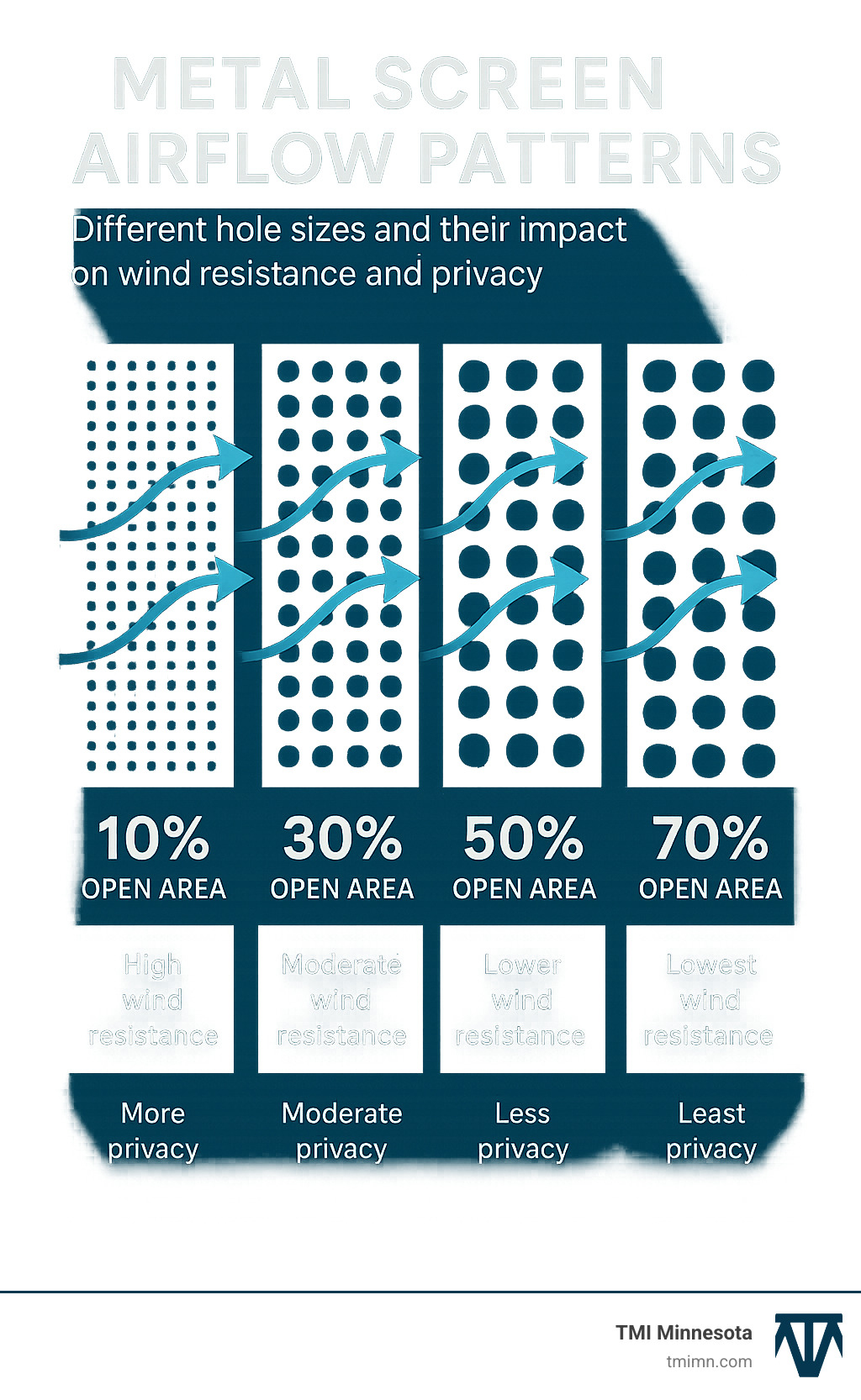
Wind resistance is another crucial consideration in our blustery Minnesota climate. The perforation patterns in metal screens can be specifically designed to allow controlled airflow while maintaining visual privacy. As our infographic shows, the size and arrangement of cutouts dramatically affects both wind resistance and privacy levels. This makes metal screens particularly suitable for exposed, windy sites where solid barriers might become sail-like hazards.
Many of our metal screen systems offer clever modular components that extend functionality. Integrated planter boxes let climbing vines create living walls. Built-in lighting attachments transform screens into dramatic nighttime features. Various mounting brackets accommodate different installation scenarios, from permanent in-ground posts to temporary deck attachments.
For more creative ways to incorporate metal screens into your landscape design, check out The Best Outdoor Privacy Screen Ideas for Every Space. And remember, the right screen doesn’t just block unwanted views – it creates its own beautiful perspective.
Composite & Vinyl Panels
If you’re tired of the endless cycle of sanding, staining, and replacing wooden screens, composite and vinyl panels might be your perfect match. These modern marvels deliver the warm look of natural materials without all the headaches.
“After replacing our wooden fence three times in fifteen years, we switched to composite screening,” explains Wayzata resident Tom Peterson. “Five Minnesota winters later, it still looks new with zero maintenance beyond occasional hosing.”
What makes these materials so impressive is their resilience against Minnesota’s brutal seasonal changes. While wood warps, cracks, and fades, composite screens stand strong against everything mother nature throws their way. They resist rotting, insect damage, warping, and color fading – making them particularly well-suited for our unpredictable climate.
The environmental story behind these panels is worth celebrating too. Many backyard privacy screens made from composite materials contain up to 95% recycled content, giving new life to materials that would otherwise end up in landfills. As one environmentally conscious client told us, “I love that my privacy screen is made from recycled milk jugs and sawdust that would otherwise be waste.”
Installation is refreshingly straightforward compared to traditional options. Most composite systems feature snap-together components and pre-drilled mounting holes that make assembly almost intuitive. No special tools required, and certainly no need for the annual ritual of staining and sealing that wood demands.
The color palette has expanded dramatically in recent years. Beyond traditional wood tones, you’ll find contemporary options like slate gray, coastal blue, and desert tan. What’s remarkable is that these colors run throughout the material rather than just sitting on the surface, so even if the panel gets scratched, the color remains consistent.
“We chose a grayish-brown composite that perfectly complements our home’s exterior,” says one Eden Prairie homeowner. “Unlike wood, which would eventually gray anyway, this will maintain its designer color for decades.”
For Minnesota homeowners specifically, we recommend looking for composite materials with UV inhibitors and freeze-thaw cycle testing. These specialized formulations stand up to our extreme temperature swings that can cause other materials to crack, warp or fail entirely.
The initial investment might be higher than some natural materials, but the long-term value becomes clear when you’re still enjoying your beautiful, maintenance-free screen while your neighbors are on their second or third replacement project. For busy homeowners who want to spend their weekends enjoying their outdoor space rather than maintaining it, composite and vinyl panels deliver best peace of mind.
Fabric & Mesh Shades
When permanent installations aren’t practical, backyard privacy screens made of fabric and mesh offer that perfect blend of flexibility and affordability. I’ve seen these lightweight options transform patios and balconies in hours, often without requiring a single tool.
“We rent our home, so drilling into the deck wasn’t an option,” explains Minneapolis apartment dweller Sophia Chen. “We installed tension rods across our balcony and hung outdoor curtains that provide complete privacy when closed. When open, they frame our view beautifully.”
Today’s outdoor fabrics have come a long way from the flimsy options of the past. Many now block up to 90% of harmful UV rays while still maintaining your view from the inside. This makes them particularly ideal for those west-facing decks that get bombarded with that intense Minnesota afternoon sun.
Roll-down shades operate just like indoor window blinds but are engineered for outdoor conditions. Some of our clients opt for motorized versions they can control with a remote – perfect for quickly creating privacy when unexpected guests arrive next door. When not needed, they roll up compactly, preserving your view.
Outdoor curtains instantly create that resort-like atmosphere we all crave. “The breezy feel of our outdoor curtains transformed our ordinary patio into what feels like a private cabana,” shares one Edina homeowner. “Guests always comment on the intimate atmosphere they create.” These can be tied back when you want openness or closed completely when privacy is paramount.
For balconies and smaller spaces, mesh panels provide the perfect balance of airflow and visual screening. They’re incredibly lightweight and easy to install, making them popular for renters and condo owners throughout the Twin Cities. The mesh comes in various densities, allowing you to choose exactly how much privacy you need.
For a more architectural approach, shade sails add dramatic visual interest while creating privacy zones. These can be installed seasonally and removed during winter, and they come in custom shapes that can turn your ordinary backyard into something that looks designer-planned.
For Minnesota’s challenging climate, I always recommend looking for fabrics specifically rated for outdoor use. The best options feature UV resistance to prevent fading, mildew resistance for our humid summers, quick-drying properties for after those summer storms, and colorfast dyes that won’t bleed when wet.
Most fabric screens can be easily removed and stored during winter, which significantly extends their lifespan. “We take ours down in October and reinstall in May,” advises one seasonal user. “After four years, they still look great.”
This approach to privacy creates a distinctly different atmosphere than solid barriers – there’s something about the gentle movement of fabric in a breeze that adds a sense of tranquility to your space. The softness of fabric screens complements the hard surfaces of decks and patios, creating a more balanced, inviting outdoor room.
For temporary privacy needs or special occasions, having a few extra panels on hand allows you to quickly adjust your space. Many of our clients keep additional fabric screens ready for parties or when they simply want to change the look of their outdoor areas.
Living Green Walls & Planter Screens
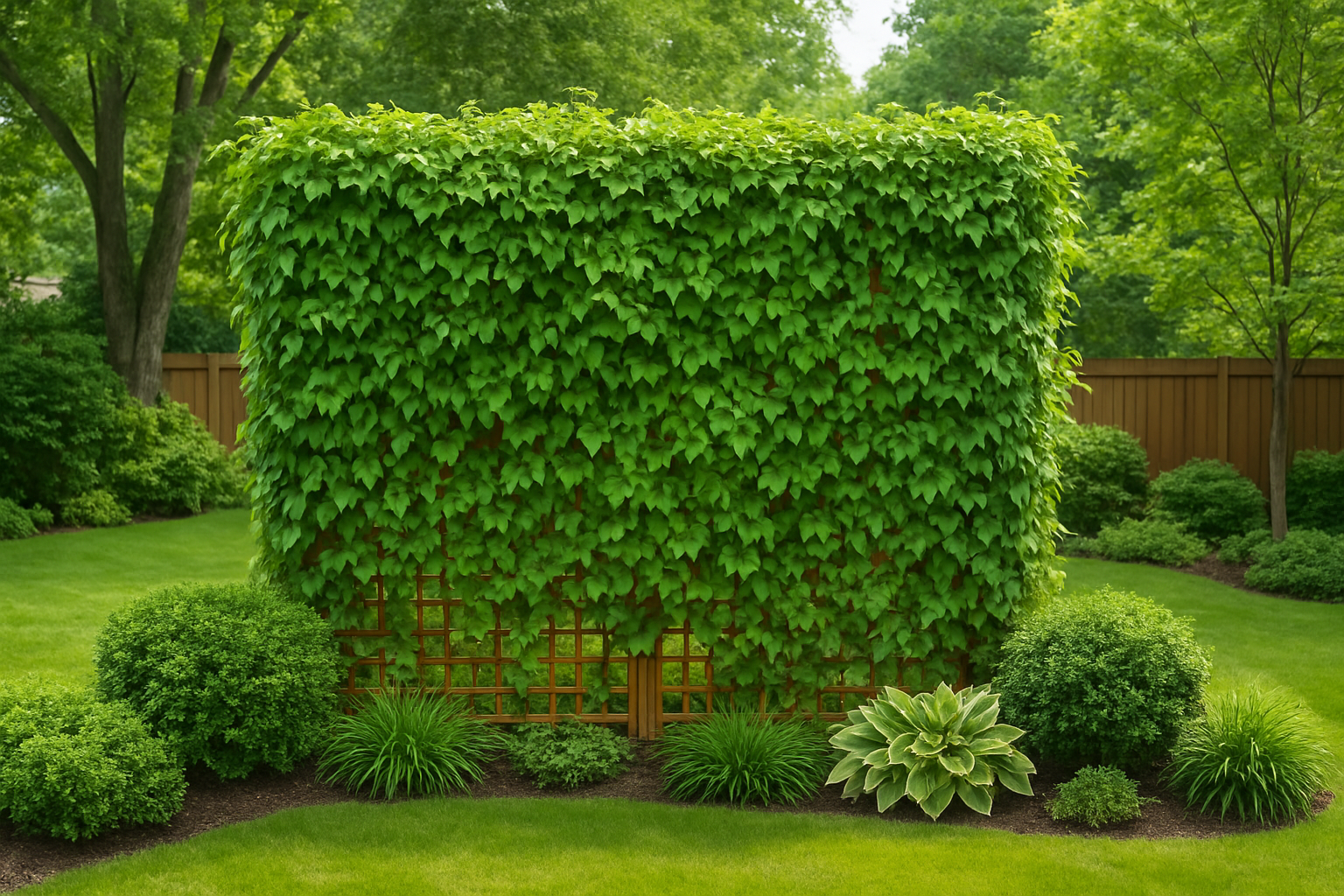
There’s something magical about a living privacy screen that traditional fencing simply can’t match. As these green barriers mature, they don’t just provide privacy—they evolve into vibrant ecosystems right in your backyard.
“I’ve fallen in love with the way our arborvitae screen changes with the seasons,” shares Minnetonka homeowner David Johnson. “Beyond just blocking the neighbor’s view, it muffles street noise and has become a favorite spot for cardinals and chickadees. It’s like having our own little nature sanctuary that also happens to give us privacy.”
Evergreen hedges offer year-round screening that only improves with time. Minnesota-hardy varieties like arborvitae, spruce, and yew thrive in our challenging climate while providing consistent coverage even through winter months.
One Eden Prairie family watched in amazement as their Green Giant arborvitae transformed their property: “We planted 6-foot saplings four years ago, and they’ve already grown into an impressive 18-foot privacy wall. Once they were established, they’ve needed surprisingly little care—just occasional watering during dry spells.”
For those wanting a touch of the exotic, potted bamboo creates instant height with a distinctive tropical feel. “Our deck used to feel completely exposed,” explains St. Paul resident Lisa Wong. “Now our large containers of clumping bamboo create these gorgeous, swaying privacy walls that we can reposition whenever we entertain. They bring this peaceful, zen-like quality to our outdoor space that everyone comments on.”
Trellised vines offer perhaps the fastest coverage for impatient gardeners. Minnesota-friendly climbers like clematis, honeysuckle, and hardy kiwi quickly scramble up supports, creating flowering screens that buzz with pollinators. The change can be remarkably swift—many vines grow several feet in a single season.
For small spaces or creative gardeners, vertical garden systems turn privacy screens into productive growing spaces. “Our living wall does double-duty,” beams one Minneapolis hot tub owner. “Not only does it shield us from the neighbors, but we can actually harvest strawberries and fresh herbs while we soak. It’s privacy with delicious benefits!”
Many homeowners find success by combining approaches—installing structural screens that support climbing plants or placing mature potted specimens strategically. This hybrid approach provides immediate privacy while the living elements develop and fill in over time.
Of course, living screens do require some attention. Most need regular watering during establishment, seasonal pruning to maintain their desired form, occasional fertilization, and monitoring for pests or disease. But as one dedicated St. Louis Park gardener puts it: “The effort is absolutely worth it. Unlike a static fence, our living screen transforms through the seasons—spring flowers, lush summer fullness, brilliant fall colors, and even winter interest from the architectural structure of the plants.”
Living screens also offer significant environmental benefits. They absorb carbon dioxide, release oxygen, filter air pollutants, and provide essential habitat for pollinators in increasingly urbanized areas. For environmentally conscious homeowners, they’re a way to increase privacy while also giving back to the ecosystem.
For those new to gardening, don’t worry—our team can help select the perfect plant varieties for your specific site conditions and privacy needs. We consider factors like sun exposure, soil type, and maintenance preferences to create living screens that thrive with minimal fuss in Minnesota’s challenging climate.
Backyard privacy screens that incorporate living elements connect us to nature’s rhythms while creating boundaries that feel natural rather than imposed. They soften hard edges and bring life to outdoor spaces in ways that manufactured materials simply can’t match.
Eco-Friendly & DIY Options
Looking for privacy solutions that are gentle on both the planet and your wallet? Eco-friendly and DIY privacy screens are gaining tremendous popularity among Twin Cities homeowners who want something unique while reducing their environmental footprint.
“We wanted something with character that wasn’t mass-produced,” explains Minneapolis homeowner and DIY enthusiast Jake Peterson. “We found four vintage doors at an architectural salvage shop, hinged them together, and created a privacy screen that’s become a conversation piece in our garden.”
The beauty of sustainable backyard privacy screens is that they often tell a story. Each repurposed shutter or reclaimed barn board brings history and character that mass-produced options simply can’t match. Plus, there’s the satisfaction of creating something with your own hands.
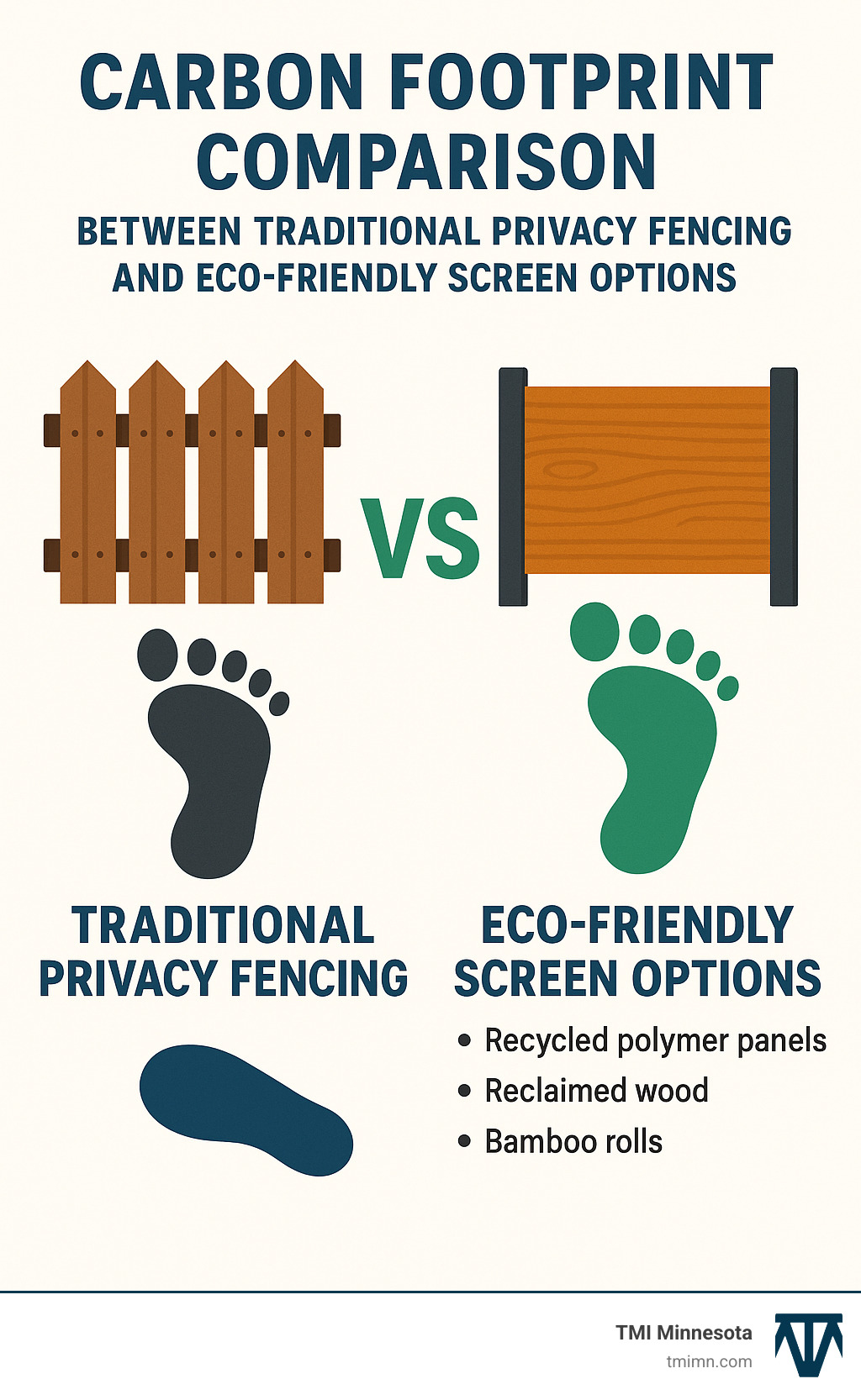
Recycled polymer panels offer impressive durability while keeping plastics out of landfills. These innovative materials mimic the look of natural wood but require virtually no maintenance. “Our recycled plastic screen looks like weathered wood but will never need replacement,” notes one environmentally conscious homeowner. “Knowing it’s made from plastic that would otherwise be in a landfill makes it even better.”
For those with a knack for finding treasures, reclaimed wood projects provide endless creative possibilities. Old shutters hinged together create cottage charm, while weathered barn wood brings rustic elegance to modern spaces. One creative St. Paul homeowner told us, “I collected shutters from neighborhood renovations for months. Painted in coordinating colors and mounted on a simple frame, they now screen our hot tub while adding cottage charm.”
Bamboo rolls represent one of the most sustainable material choices available. As one of the fastest-growing plants on earth, bamboo is harvested without killing the plant, making it an incredibly renewable resource. These natural screens install easily on existing structures and eventually biodegrade at the end of their useful life.
The upcycling movement has inspired some truly creative backyard privacy screens. Old doors find new purpose as decorative screens, while window frames fitted with frosted glass create architectural interest. Salvaged metal pieces become outdoor art that doubles as privacy barriers. The possibilities are limited only by imagination.
Beyond the environmental benefits, DIY approaches often deliver significant cost savings. “Our chevron pattern privacy screen cost less than $150 in materials,” shares one handy homeowner. “A comparable pre-made version would have been at least $500.”
Don’t consider yourself particularly handy? No problem! There are plenty of simple eco-friendly options that require minimal skills:
Attaching bamboo rolls to existing fences with zip ties creates instant privacy with natural texture. Planting fast-growing annuals like sunflowers or cosmos creates seasonal screening that supports pollinators. Ready-made panels can be inserted into simple DIY frames, while garden trellises can be repurposed as privacy elements that support climbing plants.
“Start simple,” advises one DIY screen builder. “My first project was just bamboo fencing attached to my existing deck railing with zip ties. Its success gave me confidence to tackle more complex projects later.”
At TMI Minnesota, we love helping homeowners find creative, sustainable solutions for their outdoor spaces. Whether you’re looking for guidance on materials or installation tips for your eco-friendly privacy screen, we’re here to help your green vision become reality.
Installation & Maintenance Tips
Proper installation and regular maintenance are crucial for ensuring your backyard privacy screen remains beautiful and functional for years to come. Here are our expert recommendations based on installing hundreds of screens throughout the Twin Cities:
When it comes to foundation and support, Minnesota’s freeze-thaw cycles demand special attention. For permanent screens, we always set posts at least 42″ deep to get below the frost line. Quick-setting concrete provides the stability needed to withstand our notorious winds, while helical anchors offer a less disruptive installation option for established gardens.
“After losing a privacy panel in a windstorm, I learned the importance of proper anchoring,” shares Edina resident Mark Thompson. “The replacement has withstood three winters now with deeper footings.”
The hardware you select makes a significant difference in longevity. Our harsh climate quickly punishes inferior materials, so we strongly recommend using only stainless steel or hot-dipped galvanized fasteners. For visible connections, decorative hardware can transform functional elements into design features. Remember to allow for wood expansion and contraction in our climate – rigid mounting can lead to warping or splitting. In particularly windy areas like lakefront properties, locking washers provide extra security.
A simple seasonal maintenance schedule keeps your privacy screen in top condition:
Spring is the perfect time to inspect for winter damage, clean surfaces with a gentle pressure wash, and touch up any compromised finishes. Summer calls for checking plant growth on living screens and trimming as needed to maintain your desired look. Fall is crucial for clearing debris and applying protective finishes before winter sets in. During Winter, periodically remove heavy snow loads from horizontal surfaces to prevent warping or collapse.
“I keep a maintenance calendar reminder,” explains one organized homeowner. “Twenty minutes of inspection and minor repairs each season has kept our screen looking great for years.”
Storm preparation becomes second nature for Twin Cities residents. Before high winds arrive, remove or securely fasten fabric screens and trim any branches that could potentially fall on your privacy structure. Ensuring proper drainage around posts prevents the frost heave that can gradually destabilize even well-installed screens. In areas prone to heavy snow accumulation, consider removable panels for winter storage.
Each material has specific maintenance needs. For wooden screens, we recommend applying a water-repellent preservative every 1-2 years, depending on exposure. “I reapply sealer when water no longer beads on the surface,” advises one Cedar Lake homeowner. “This simple test tells me exactly when it’s needed.”
Metal screens need occasional inspection for rust, particularly at connection points and any scratches in protective coatings. Touching up compromised areas promptly prevents corrosion from spreading and extends the life of your investment. Composite materials require the least maintenance but benefit from occasional cleaning with mild soap and water to remove pollen, dirt, and organic debris that can cause staining over time.
For more detailed guidance on creating custom outdoor spaces that perfectly suit your lifestyle, visit our page on bespoke garden designs.
Frequently Asked Questions about Privacy Screens
How tall can a screen be without a permit?
When it comes to height regulations, Twin Cities homeowners often find themselves navigating a patchwork of rules that vary from one neighborhood to the next.
“Always check local codes before installation,” advises our permitting specialist. “In Minneapolis, for example, a 6-foot backyard privacy screen in a backyard typically doesn’t require a permit, but the same structure in a front yard might.”
Most cities allow structures up to 6 feet without permits, though some areas restrict front yard structures to 3-4 feet. If you live in an HOA community, you’ll likely face additional restrictions. Corner lots deserve special attention, as most municipalities enforce “visibility triangle” rules to ensure traffic safety.
One Minnetonka homeowner learned this lesson the hard way: “I found our HOA had specific material restrictions even though the city didn’t. Taking time to research saved me from a potential violation and having to tear down my newly installed screen.”
For screens attached to existing structures like decks or pergolas, different rules may apply. Some municipalities classify these as building additions rather than fences, which can trigger more stringent requirements.
Do screens block wind as well as views?
The wind-blocking power of your backyard privacy screen depends entirely on its design. Understanding this relationship helps you choose the right option for Minnesota’s sometimes blustery conditions.
Solid panels block 90-100% of wind, providing maximum protection but also creating pressure that can damage the structure over time. Slatted designs with 1-2 inch gaps offer a nice middle ground, typically blocking 60-80% of wind while still providing excellent privacy. Lattice patterns reduce wind by approximately 40-60%, while mesh screens can block anywhere from 30-70% depending on their density.
“We specifically chose a louvered design that we can adjust based on seasonal wind patterns,” explains one lakefront homeowner in Wayzata. “In summer, we angle them to catch the breeze; in winter, we close them to block cold winds.”
For particularly windy sites, consider alternating solid and perforated panels, using multiple staggered screens rather than one solid barrier, choosing wind-rated hardware and footings, or installing retractable options that can be secured during storms.
What plants grow fastest for living screens?
For those seeking quick privacy from plants, Minnesota’s climate supports several speedy growers that can transform your yard in just a season or two.
Among evergreens, Green Giant Arborvitae stands out, growing an impressive 3-5 feet per year when young. Leyland Cypress adds 2-3 feet annually, while Norway Spruce contributes a respectable 1-2 feet yearly once established.
If you don’t mind winter transparency, deciduous options grow even faster. Hybrid Willow can shoot up to 6 feet per year, while Lombardy Poplar adds 4-6 feet annually. Red Twig Dogwood grows 2-3 feet per year and offers beautiful red stems for winter interest when leaves drop.
For trellises, nothing beats the rapid coverage of vines. Hops can climb an astonishing 25 feet in a single season, while Virginia Creeper and American Bittersweet race upward at 6-10 feet annually.
“We planted Green Giant arborvitae two years ago,” shares one Edina homeowner. “They’ve already grown from 5-foot saplings to nearly 12 feet tall, creating effective screening from our two-story neighbor.”
While waiting for plants to mature, consider planting at closer-than-usual spacing (with plans to thin later), starting with larger specimens where budget allows, using temporary screens during establishment, or combining fast-growing species with slower, longer-lived plants for succession planning.
“Patience pays off with living screens,” advises our horticulturist. “They may take longer to establish than building a structure, but they continue to improve with age and provide ecological benefits no built screen can match.”
Conclusion
Privacy in your backyard shouldn’t feel like you’re building a fortress. Modern backyard privacy screens offer beautiful ways to create your own secluded paradise while actually enhancing your outdoor space.
I’ve seen how the right screen transforms an exposed yard into a cozy retreat. Whether you’re drawn to the natural warmth of wooden slats, the artistic flair of laser-cut metal, the practical benefits of low-maintenance composites, the soft flow of outdoor fabrics, or the living beauty of green walls – there’s a perfect solution waiting for your unique space.
“Our backyard went from a place we rarely used to our favorite ‘room’ in the house,” shared a delighted client from Maple Grove recently. “The privacy screens defined the space and created a sense of intimacy that makes every outdoor gathering feel special.”
What I love about many of these options is the immediate change they provide. You can literally change your outdoor experience in a single weekend. Even living screens, which require some patience, reward you with beauty that only improves with time – like many good things in life.
But the magic of backyard privacy screens goes beyond just blocking unwanted views. They create shade on hot summer days, buffer street noise, guide movement through your yard, protect against those famous Minnesota winds, and serve as stunning focal points that express your personal style.
Think of screens as the walls of your outdoor rooms – they define spaces while creating that perfect balance between openness and seclusion. In our years of designing outdoor spaces across the Twin Cities, we’ve seen how these simple elements completely transform how families use and enjoy their yards.
Ready to create your own private outdoor sanctuary? Our team at TMI Minnesota specializes in designing privacy solutions that perfectly balance seclusion with style for our unique climate. For more inspiration on creating modern, functional outdoor spaces, visit our page on modern outdoor designs.
We’d love to help turn these ideas into reality in your backyard. Contact our landscape team today to start the conversation about your perfect outdoor retreat.